
Program
IAD Graduate Fellows
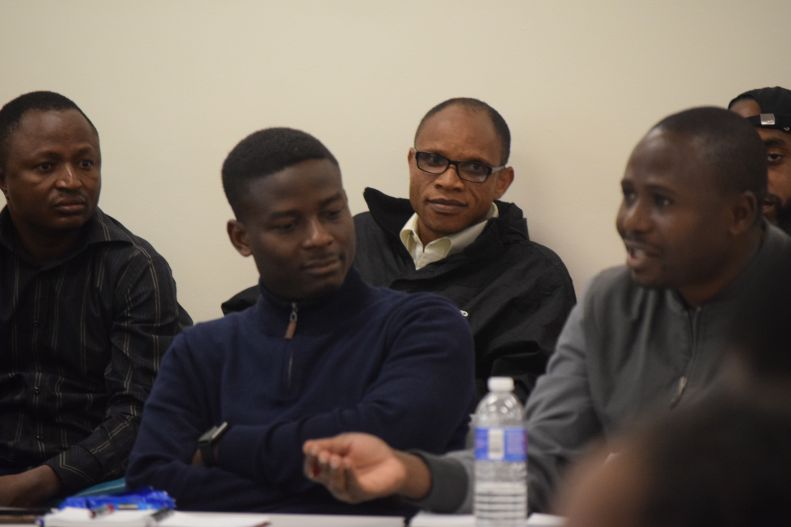
The Institute for African Development invites graduate students to apply to become an IAD Graduate Fellow for AY Fall 2026–Spring 2027. The fellowship offers opportunities for engagement and collaboration within a community committed to the study of African development.
Graduate Fellows will participate in activities to enhance interdisciplinary dialogue and strengthen the intellectual community around African studies at Cornell. Fellows are expected to:
- Attend and actively participate in IAD seminars and public events
- Support selecting IAD programming and community-building initiatives
- Contribute to outreach efforts across campus
- Engage with visiting scholars and affiliated faculty
- Provide input on future programming and student engagement activities
Benefits of the Fellowship include:
- Opportunities to connect with faculty and scholars working on African development
- Professional development through event coordination and academic engagement
- Recognition as an IAD Graduate Fellow for the academic year
- Potential eligibility for small research or programming support (if applicable — only included if true)
Eligibility:
- Open to currently enrolled Cornell graduate students
- Demonstrated interest in Africa and/or African development
- Ability to commit to regular participation during AY 2026–2027
Time Commitment:
Fellows are expected to participate in regular meetings and events throughout the academic year. Estimated commitment is approximately X hours per month.
Application Process:
To apply, please submit [materials — CV, short statement, etc.] via https://cornell.ca1.qualtrics.com/jfe/form/SV_b9qjIXRGKSM3ivQ
Additional Information
"A Nation of Immigrants" NYS Curriculum

The purpose of this curriculum unit plan is to explore the current migration of African citizens to the United States.
Learning Context:
Students will:
• Discuss how one’s cultural identity or ethnicity shapes who you are
• Identify reasons for immigration to America in the past, such as economic
(seeking work) or political reasons, by force (as slaves) and as refugees fleeing war or persecution
Applicable NYS Learning Standards:
NYS English Language Arts Standards:
Standard 1: Students will read, write, listen, and speak for information and understanding.
Reading:
• Collect and interpret data, facts, and ideas from unfamiliar texts
• Use text features, such as captions, charts, tables, graphs, maps, notes, and other visuals, to understand and interpret informational texts
• Use graphic organizers to record significant details from informational texts
Writing:
• Take notes to record data, facts, and ideas both by following teacher direction and by writing independently
If you are interested in learning more, please visit our website here.
Additional Information
IAD Graduate Student Lightning Talks
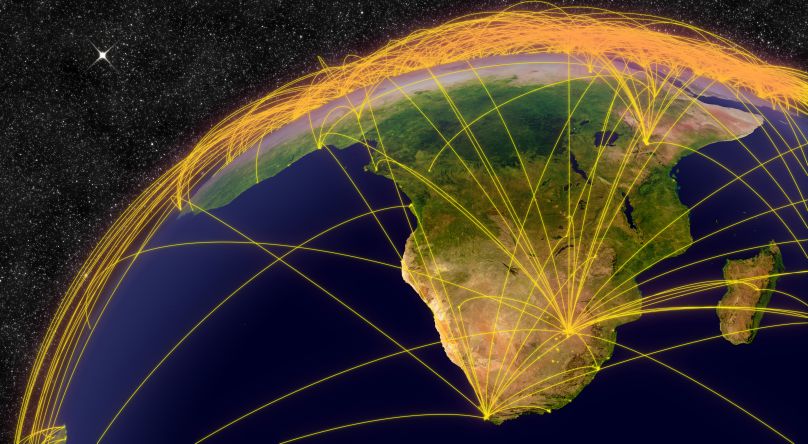
The IAD Graduate Student Lightning Talks (GSLT) are designed to showcase the diverse research, field experiences, and scholarship of Cornell graduate students with a research focus on African development. In the fast-paced format, each participant delivers a 15-minute presentation (including a brief Q&A session) highlighting their current projects, research findings, or fieldwork experiences. The event creates an opportunity for students to share their work with the broader community while fostering interdisciplinary dialogue on issues related to African development and global engagement. The program is planned to launch in Fall 2026 and aims to become a recurring platform for scholarly exchange within the institute.
The forum provides a supportive environment for students to present their ideas, receive feedback, and engage with faculty, peers, and practitioners interested in African development. Students at any stage of their research are encouraged to share their work and contribute to this collaborative academic exchange.
For more information about the IAD Graduate Student Lightning Talks or participation details, please contact IAD@cornell.edu.
Additional Information
Distinguished Africanist Scholar

The Distinguished Africanist Scholar (VAS) is someone who has performed exceptionally in the academic field on matters related to African development. The invited scholar possesses exceptional achievements in a development-related discipline, with international experience to support IAD’s mission of creating an enabling environment for the University to play a key role in the creation of policies that influence African development.
Individual faculty members or academic departments are welcome to nominate candidates by submitting a letter noting the nominee’s qualifications and achievements, along with a copy of the nominee’s curriculum vitae. The proposal letter should indicate faculty, departments, or programs that agree to support the nomination. For more information, contact lrm239@cornell.edu.
Additional Information
IAD Colloquium Series

The Institute for African Development Colloquium Series fosters scholarly discussions, rigorous research presentations, and enriching debates with a focus on African development.
Additional Information
Africa Digital Narratives Competition
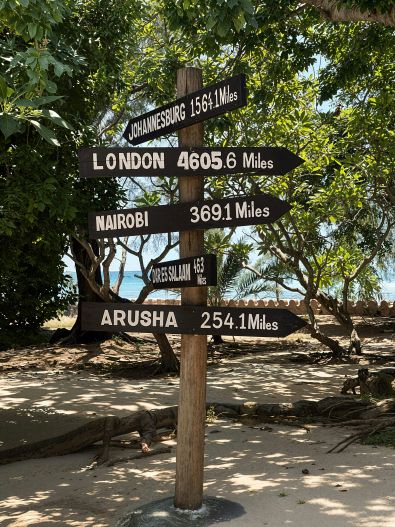
IAD Digital Narrative Competition invites multimedia submissions that highlight real-life experiences, academic research, and explorations, all with an Africa focus. Narratives should investigate African development in the context of challenges, potential and/or strengths. Submissions may be in the form of digital videos or documentaries. The competition is open to all Cornell students from all disciplines.
Video submissions must be three to six minutes in length and shot in landscape mode. Make sure all copyright permissions are granted. Submissions will be judged on creativity, quality, and subject matter. Deadline for submission to jsb25@cornell.edu- February 27, 2026
Additional Information
Southeast Asian Summer Studies Institute (SEASSI)
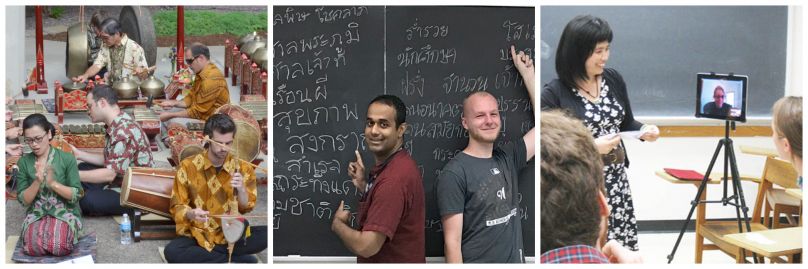
Earn two semesters of language credit at SEASSI this summer!
The Southeast Asian Studies Summer Institute (SEASSI) is an eight-week intensive summer language training program for undergraduates, graduate students, and professionals. It has been held since 1983, and hosted by the University of Wisconsin-Madison in 1994-1995 and then since 2000. The eight-week program is equivalent to two semesters of language study.
For SEASSI 2025, course instruction is offered in the following languages at the first, second and third year levels (i.e. Elementary, Intermediate, Advanced levels).
- Burmese (Online Only)
- Hmong (Online Only)
- Indonesian (Online & Limited In-Person Options)
- Khmer (Online Only)
- Lao (Online Only)
- Filipino (Tagalog) (Online Only)
- Thai (Online & Limited In-Person Options)
- Vietnamese (Online & Limited In-Person Options)
- In previous years, we have also offered Javanese language classes. (Online Only)
Instruction is given in small individualized groups taught by a team consisting of a coordinator (usually a linguist specializing in Southeast Asian language pedagogy) and teachers who are native speakers of that language. Instruction is intensive. Classes are held from 8:00 am to 1:30 pm, Mondays through Fridays (CDT). Most students find that they spend an additional three to four hours per day on homework.
SEAP offers funding for undergraduates students to attend SEASSI via SEASSI Language Scholarships. Further scholarships are available on the SEASSI website.
Application Deadline
Priority deadline March 1, 2026.
Stay Connected for Updates
More details about the program are available on the SEASSI website, and make sure you have subscribed to the SEAP listserv to receive the latest updates on deadlines for SEASSI applications and funding deadlines.
Additional Information
IES Graduate Fellows

The Institute for European Studies aims to become a focal point at Cornell for an interdisciplinary European Studies research community. Thirteen graduate students from various disciplines have been accepted as fellows for 2025-26.
The IES Fellows will advance their research and contribute to the European Studies community by attending and engaging in IES-hosted talks, and by organizing and taking part in collective activities such as a graduate research workshop or discussion group. The Institute supports these activities with a small research stipend to each Fellow. IES Fellows also receive priority for IES research and travel fellowships.
The 2025-26 IES Graduate Fellows are:

Frances Cayton (Spring)
Government

Duncan Eaton
History

Georgy Tarasenko
Government
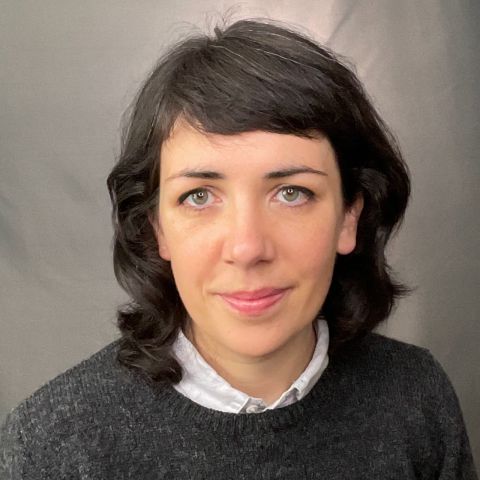
Kaitlin Findlay
History
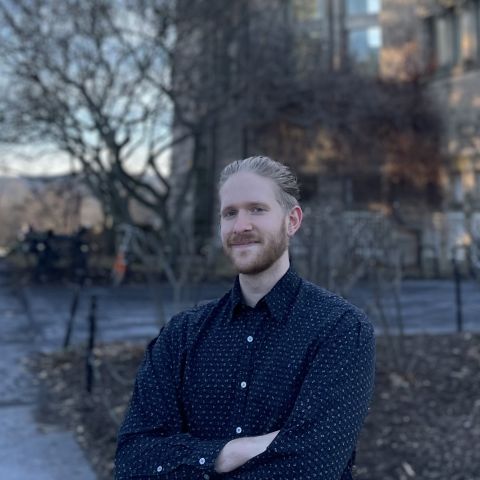
Spencer Hadley
German Studies

Rachel Horner
(Fall)
Music

Angela Kothe
Government

Madeleine Lemos
Director's Fellow
History

Julia Sebastien
Communication

Nora Siena
Romance Studies

Chiara Visentin
Director's Fellow
Medieval Studies

Xinyu Zhang
Comparative Literature
Additional Information
Latin American and Caribbean Studies Graduate Fellows
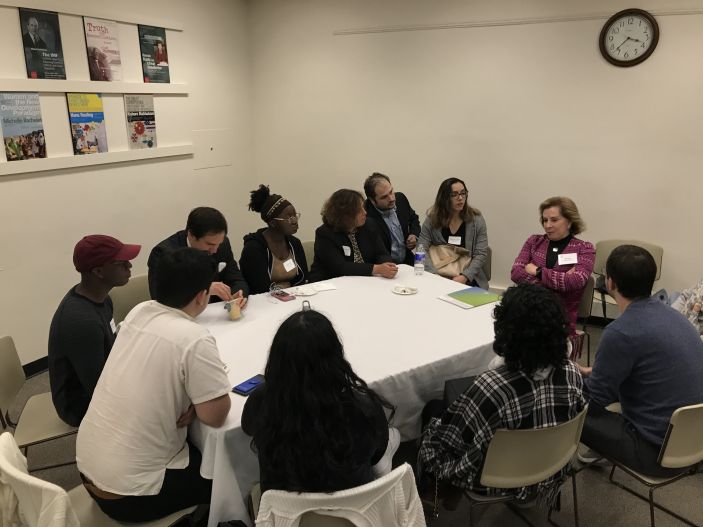
The Latin American and Caribbean Studies Program (LACS) is pleased to invite graduate students to apply to become a LACS Graduate Fellow for AY 2026-2027. The Graduate Fellowships are competitive and provide an opportunity for a select number of graduate students to engage with a broad, interdisciplinary community dedicated to the study of Latin America and the Caribbean.
Graduate Fellows will be expected to actively participate in the Latin American and Caribbean Studies Program’s activities. Responsibilities include attending and shaping the seminar series—with an eye toward several themes around which the series might be structured—and organizing at least one event that promotes interactions between undergraduate and graduate students. LACS funding will be available for the organization of Fellow-sponsored events. Applicants are strongly encouraged to attend events this semester organized by the current Graduate Fellows to get a sense of how the program works.
As many as six LACS Graduate Fellows will be selected for a period of one academic year (Fall 2026 and Spring 2027). Each fellow will receive a stipend of $350/semester for research-related activities to be employed at the student’s discretion (e.g., books, field research, survey research, or conference-related travel).
To apply:
Send the following to lacs@cornell.edu by Wenesday, March 25th, 2026, by 11:59pm.
From the applicant:
- CV
- Completed application form, which requires describing how the student envisions contributing to building a vibrant LACS community
From the applicant’s dissertation advisor:
- A letter of recommendation
Selection Process:
A selection committee appointed by the current LACS director will review applications. Fellows will be selected based on the applicant’s academic merit and the potential for collaborative engagement. The new cohort of fellows will be announced by late March in order to meet and conduct planning for the 2024-2025 academic year.
Questions:
For questions, please contact LACS Program Manager (lacs@cornell.edu) with the subject line, “Grad Fellow Application Question.”
Additional Information
Savannah Dialogues

Welcome to Savannah Dialogue, an IAD discussion forum dedicated to deep discussions, shared insights, and alternate exchanges on topical subjects related to African development.
Savanna Dialogue provides academics, researchers, and policymakers a space to exchange views on African development and increases the interplay of different competencies for varied and enriching discussion and debate. Further, participation in dialogues fosters alternatives to existing models and enriches rigorous scholarship committed to new models for action. Join the discussion by subscribing at iad@cornell.edu