
Dispatch from Ukraine: Human Rights and Conflict in the Eastern Regions
March 2, 2022
4:00 pm
Just before the coronavirus pandemic, Bernard-Henri Lévy’s reporting took him to eastern Ukraine, as part of an eight-part journey to cast light upon human rights abuses in global hotspots that have escaped international attention or active response.
Now, with the Ukraine crisis making global news headlines, Lévy recounts his experience in a dispatch from eastern Ukraine, as reported in his new book The Will To See: Dispatches from a World of Misery and Hope (Yale University Press, 2021). In a chapter he calls, “Donbass: Trench Warfare Lives on in Europe,” Lévy shares what he witnessed in 2020. And he will connect how that period foreshadowed what the world is paying close attention to today.
Bernard-Henri Lévy will be in conversation with Representative Chris Smith (R-NJ), co-chair of the bipartisan Tom Lantos Human Rights Commission (formerly known as the Congressional Human Rights Caucus) and former Representative Steve Israel, director of the Institute of Politics and Global Affairs at the Cornell Jeb E. Brooks School of Public Policy.
Speaker
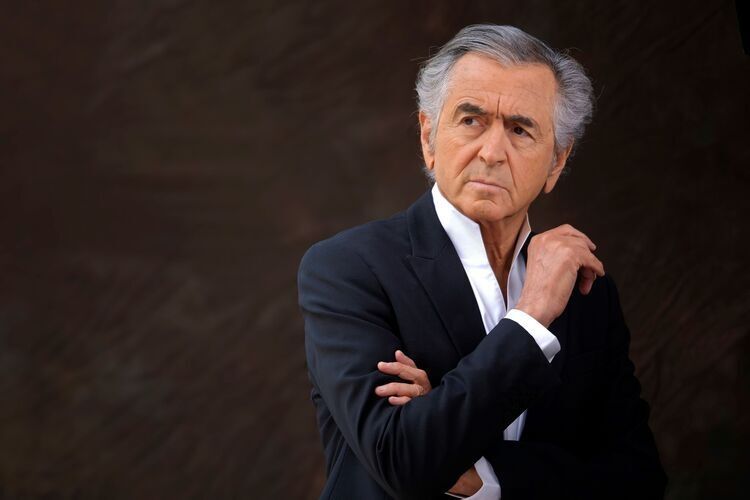
Bernard-Henri Lévy, French philosopher, filmmaker, activist, and author
Moderators
Rep. Chris Smith, Senior Member on the Foreign Affairs Committee and Ranking Member of its Africa, Global Health, Global Human Rights, and International Organizations Subcommittee (R-NJ)
Steve Israel, Director, Institute of Politics and Global Affairs at Cornell University and former U.S. Representative (D-NY)
About the book
The Will To See: Dispatches from a World of Misery and Hope
Blurb: An unflinching look at the most urgent humanitarian crises around the globe, from one of the world’s most daring philosopher-reporters. Over the past fifty years, renowned public intellectual Bernard-Henri Lévy has reported extensively on human rights abuses around the world. This new book follows the intrepid Lévy into eight international hotspots—in Nigeria; Syrian and Iraqi Kurdistan; Ukraine; Somalia; Bangladesh; Lesbos, Greece; Libya; and Afghanistan—that have escaped global attention or active response.
In a deeply personal introduction, Lévy recounts the intellectual journey that led him to advocacy, arguing that a truly humanist philosophy must necessarily lead to action in defense of the most vulnerable. In the second section, he reports on the eight investigative trips he undertook just before or during the coronavirus pandemic, from the massacred Christian villages in Nigeria to a dangerously fragile Afghanistan on the eve of the Taliban talks, from an anti-Semitic ambush in Libya to the overrun refugee camp on the island of Lesbos. Part manifesto, part missives from the field, this new book is a stirring rebuke to indifference and an exhortation to level our gaze at those most hidden from us.
Additional Information
Program
Institute for European Studies
Reppy Institute for Peace and Conflict Studies