

The New Arms Race and How to Stop It
September 25, 2025
12:00 pm
Uris Hall, G08
In this 80th year of the atomic age, the catastrophic risks posed by nuclear weapons are growing. The US and Russia are developing new nuclear bombs and missiles and upgrading weapons delivery systems. China is rapidly expanding its nuclear weapons capabilities.
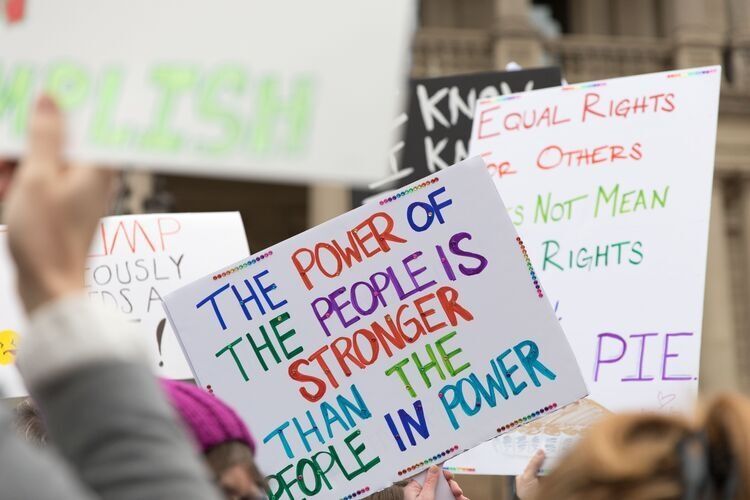
In the history of the atomic age, progress toward arms limitation has usually been the result of social protest and organized political advocacy. The initiative for halting the new arms race will have to come from the bottom up, through grass roots mobilization.
Drawing from his new book, Protest and Policy in the Iraq, Nuclear Freeze and Vietnam Peace Movements, Cortright will identify lessons for effective advocacy. He will share principles of strategies and tactics and will emphasize the importance of mass public support, compelling narratives and combining non-institutional and institutional politics.
Cortright will recount organizing experiences to identify how movements influenced nuclear policy in the 1980s and helped to end the cold war. He will suggest new strategies for today, describing the new Appeal to Halt and Reverse the Arms Race and suggesting coalitional alliances with religious communities and today’s movement to save democracy.
About the speaker
David Cortright is a Visiting Scholar at Cornell University’s Reppy Institute for Peace and Conflict Studies and Professor Emeritus at the University of Notre Dame’s Kroc Institute for International Peace Studies. He is the author or editor of 23 books and has written widely on peace policy, nonviolent social change, soldier dissent, nuclear disarmament, and the use of multilateral sanctions and incentives as tools of international peacemaking.
In 2002 Cortright was a co-founder of Win Without War, which opposed the US invasion of Iraq and remains an active voice today in promoting progressive foreign policy issues. He continues to serve on the group’s board of directors.
As director of policy studies for Notre Dame’s Kroc Institute for International Peace Studies, Cortright initiated policy advocacy campaigns to reduce and eliminate nuclear weapons; refine the utilization of economic sanctions as instruments of diplomacy; reduce the adverse humanitarian impacts of sanctions; develop effective nonmilitary means of countering violent extremism; and support the UN Women, Peace and Security agenda in Afghanistan and Iraq.
Cortright helped to create and for four years directed the Kroc Institute’s Peace Accords Matrix Barometer project monitoring implementation of the Columbia Peace Agreement.
Host
Reppy Institute for Peace and Conflict Studies, part of the Einaudi Center for International Studies
Additional Information
Program
Einaudi Center for International Studies
Reppy Institute for Peace and Conflict Studies