
Institute for African Development
Students Promote Climate Resilence
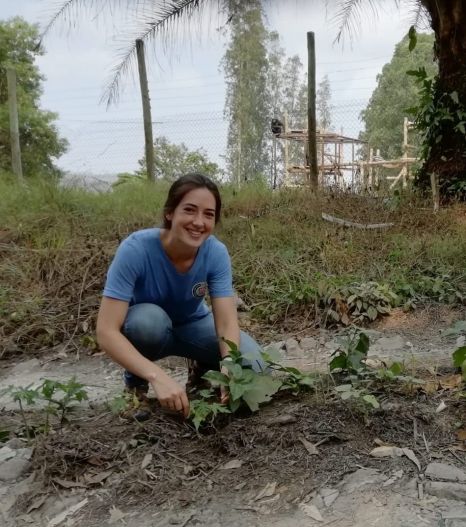
Climate Research to Reduce Global Impacts
Students and recent alumni joined faculty-led research last summer to reduce climate threats in Haiti, East Africa, and Tajikistan.
Additional Information
Institute for African Development Seminar Series: The Relationship between Air Quality and COVID-19 in Kampala, Uganda
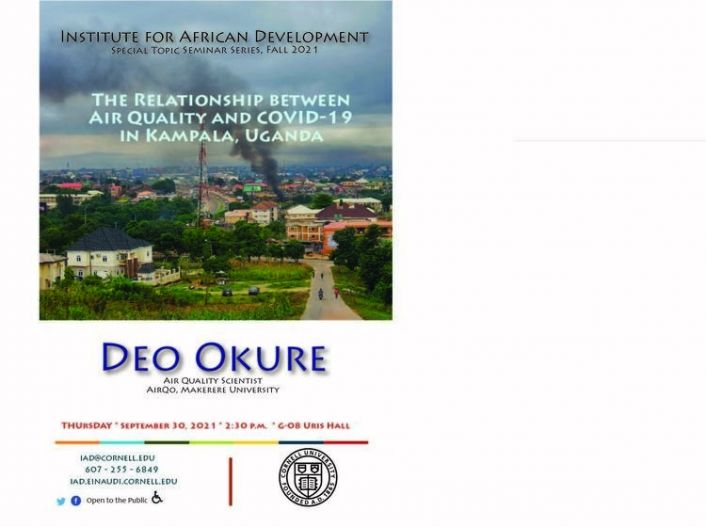
September 30, 2021
2:40 pm
Issues in African Development Seminar Series examines critical concerns in contemporary Africa using a different theme each semester. The seminars provide a forum for participants to explore alternative perspectives and exchange ideas. They are also a focal activity for students and faculty interested in African development. In addition, prepares students for higher level courses on African economic, social and political development. The presentations are designed for students who are interested in development, Africa’s place in global studies, want to know about the peoples, cultures and societies that call Africa home, and explore development theories and alternate viewpoints on development. -
Additional Information
Program
Einaudi Center for International Studies
Institute for African Development
Institute for African Development Seminar Series: The Design and Impact of a Largescale, Diaspora-driven Entrepreneurial Development Intervention: Experiences at the African Unionand Ghana
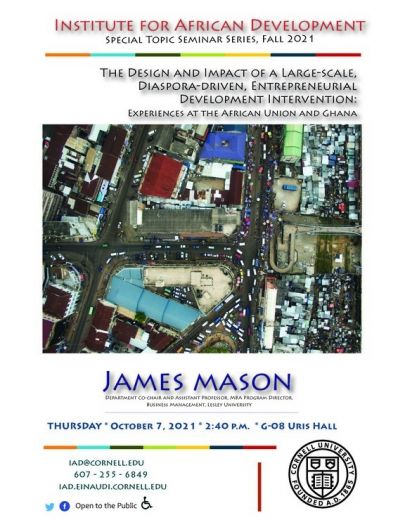
October 7, 2021
2:40 pm
Uris Hall, G-08
In 2019, during Ghana’s “Year of the Return”, a national program of Diaspora Engagement, bearing a letter of recommendation from the Deputy Chair of the African Union, endorsing my work on the “RMDI Project”, I obtained an appointment to meet with HE President Nana Addo Dankwa Akufo-Addo – with the objective of assessing how the RMDI might integrate into the “Year of the Return” framework and objectives.
The RMDI (Retirement Migration Development Intervention) is an Enterprise Systems Engineering construct designed to channel the knowledge, human, and social capital of inbound cohorts of retirees into an agenda of high-leverage development focused entrepreneurial network partnership.
This presentation will provide a high-level walkthrough of the RMDI Enterprise Architecture and provide an overview of my experiences and interactions at the African Union HQ and at the Jubilee House in Ghana. The intention is to share the challenges associated with communicating the design and nuances of a novel and complex development intervention architecture and to share lessons learned and future research.
Register in advance for this meeting:
https://cornell.zoom.us/meeting/register/tJMsd-GtqTwiE90v8J_jtnaK3bS9aN…
Additional Information
Program
Einaudi Center for International Studies
Institute for African Development
Institute for African Development Seminar Series: East African New Security Frontiers in Turbulent Times: How COVID-19 has Exposed the Fundamental Flaws in the Healthcare System, Civic Rights and Democracy
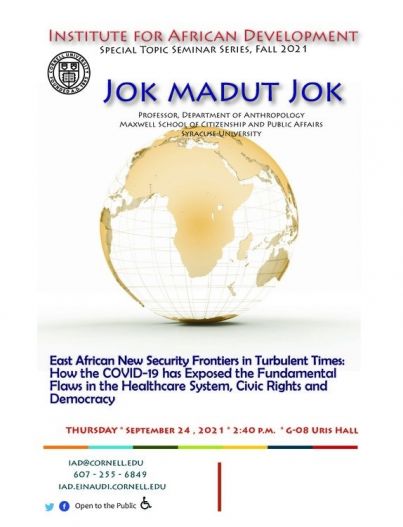
September 23, 2021
12:00 am
Uris Hall, G-08
Issues in African Development Seminar Series examines critical concerns in contemporary Africa using a different theme each semester. The seminars provide a forum for participants to explore alternative perspectives and exchange ideas. They are also a focal activity for students and faculty interested in African development. In addition, prepares students for higher level courses on African economic, social and political development. The presentations are designed for students who are interested in development, Africa’s place in global studies, want to know about the peoples, cultures and societies that call Africa home, and explore development theories and alternate viewpoints on development. -
Additional Information
Program
Einaudi Center for International Studies
Institute for African Development
Despite Year's Turmoil, Number of Food-Insecure Households Remained Steady From 2019 to 2020

Christopher Barrett, IAD/SEAP
“If loss of in-person schooling and child care keeps people out of the labor market so they aren’t earning money, then it causes increased food insecurity that falls disproportionately on families with children,” says Christopher Barrett, professor of applied economics and policy.
Additional Information
Faculty: Apply Now

Seed Grant Applications Due Oct. 29
Einaudi's seed grants support faculty-led international research, activities, and events. Find out more.
Additional Information
Paul Robeson, "The Black King of Songs, " and China
December 1, 2021
12:00 pm
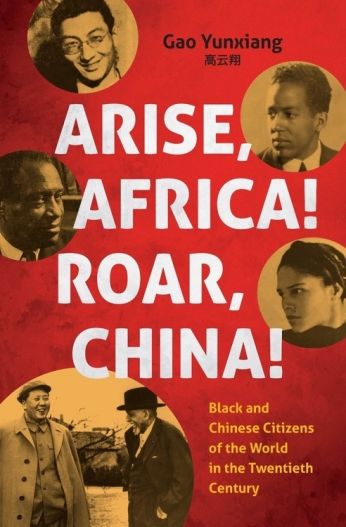
"Arise! Ye Who Refuse to be Bond Slaves:" Paul Robeson, "The Black King of Songs, " and China
Professor Gao Yunxiang, History, Ryerson University
This lecture is adapted from a chapter in Gao Yunxiang’s new book Arise, Africa! Roar, China! Black and Chinese Citizens of the World in the Twentieth Century (UNC Press, December 2021). In this lecture, Gao unpacks the dynamic yet scarcely noted relations between Paul Robeson (1898-1976), the world famous African American singer, actor, athlete, lawyer, and political activist, and China throughout most of the twentieth century.
Sponsored by the East Asia Program, EAP Graduate Student Steering Committee, The Mario Einaudi Center for International Studies, and the Global Racial Justice initiative.
Additional Information
Program
Einaudi Center for International Studies
East Asia Program
Institute for African Development
Establishing Africa Free Trade Agreement (AFCFTA)
September 16, 2021
2:40 pm
Uris Hall, G-08
Issues in African Development Seminar Series examines critical concerns in contemporary Africa using a different theme each semester. The seminars provide a forum for participants to explore alternative perspectives and exchange ideas. They are also a focal activity for students and faculty interested in African development. In addition, prepares students for higher level courses on African economic, social and political development. The presentations are designed for students who are interested in development, Africa’s place in global studies, want to know about the peoples, cultures and societies that call Africa home, and explore development theories and alternate viewpoints on development.
Additional Information
Program
Einaudi Center for International Studies
Institute for African Development
Institute for African Development Seminar Series: Covid-19, Gender and the Law
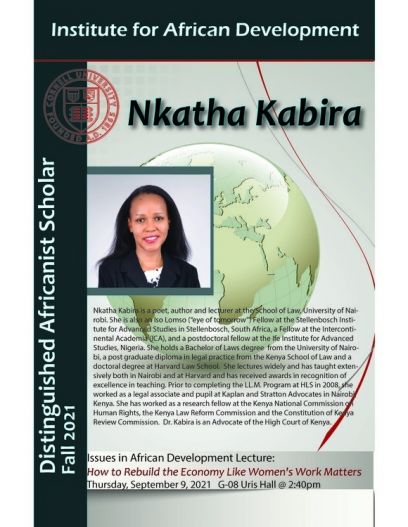
September 9, 2021
2:40 pm
Uris Hall, G-08
Issues in African Development Seminar Series examines critical concerns in contemporary Africa using a different theme each semester. The seminars provide a forum for participants to explore alternative perspectives and exchange ideas. They are also a focal activity for students and faculty interested in African development. In addition, prepares students for higher level courses on African economic, social and political development. The presentations are designed for students who are interested in development, Africa’s place in global studies, want to know about the peoples, cultures and societies that call Africa home, and explore development theories and alternate viewpoints on development. -
This event is live and virtual -
https://cornell.zoom.us/j/98197275921?pwd=a3lqNGZ2QnNCSVRHS1BGMG5HRFdaZ…
Meeting ID: 981 9727 5921
Passcode: 055857
Additional Information
Program
Einaudi Center for International Studies
Institute for African Development
IAD Distinguished Africanist Scholar, Fall 2021

Nkatha Kabira
Dr Nkatha Kabira is a Lecturer at the University of Nairobi, School of Law and a postdoctoral Fellow at the Ife Institute for Advanced Studies, Ile Ife, Nigeria. She completed her doctoral degree at Harvard Law School in May 2015 and has since been working towards converting her doctoral thesis into a book titled, “The Law of Commissions: A Case Study of The Place of Commissions in Law and Governance in Kenya.” The study is the culmination of work done over a period of 10 years in the areas of law and development, constitution making and implementation, legal and institutional reform, rule of law, regulation of the state and the administration of justice. She has professional and research experience in several areas ranging from law and language to democracy and governance and to gender and the law.
DAS Lecture: Covid-19, Gender and the Law, Thursday, September 9, 2021, G-08 Uris Hall @ 2:40pm