

Networked Authoritarianism at the Edge
Maggie Jack, SEAP
The Tatmadaw generals’ digital strategy was a key part of their coup.
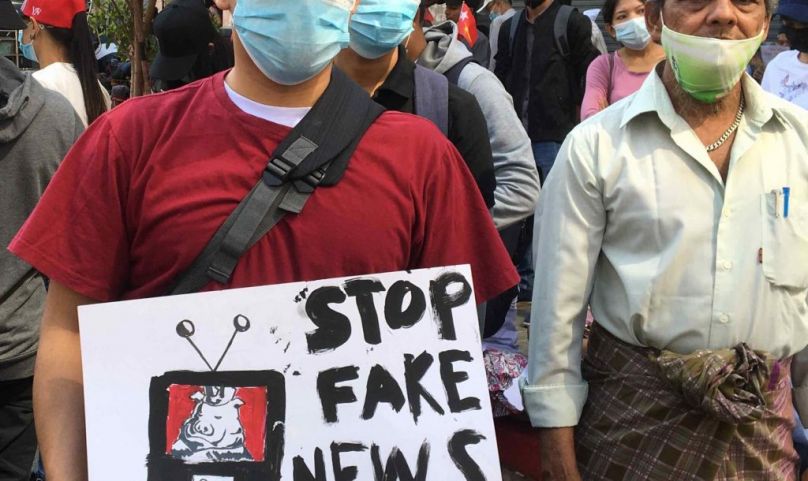
On Monday, the military government made mobile internet access intermittent. On Wednesday, the government blocked Facebook and its products (including Whatsapp and Instagram) to internet users on Myanmar-based telecoms networks. On Friday, Myanmar-based users could not access Twitter. When in-person protests raged over the weekend in Yangon, users found themselves unable to use the internet at all. The use of digital media to spread propaganda as well as internet shutdowns are now important tools of authoritarian ruling and take-over strategies. These same tools are used for surveillance and new extensions of the state into private lives. From Manila to Hanoi, governments use emerging technologies to instil fear in citizens and close down public spaces of discourse. Southeast Asian authoritarian regimes also increasingly govern through the internet, making social media a new part of civil service and a site of resistance (see Simpeng and Tapsell, 2021 for a regional view).
Read the full article on New Mandala.