
Hype Springs Eternal: AI, Memory, and War
November 12, 2026
12:00 pm
Uris Hall, G08
In 1958, the Office of Naval Research unveiled the Perceptron, the first neural network for artificial intelligence, created by Cornell psychologist Frank Rosenblatt. The Navy expected it to read and write within a year. Nearly seventy years later, the Pentagon is again betting on AI to revolutionize war, while industry leaders promise that recursive self-improvement and superintelligence are just around the corner. Why does the military accept exceptional expectations about AI despite repeated disappointment? Part of the answer is rethinking technology hype. Because we cannot fact-check the future, hype is better understood as performative discourse than as exaggeration. This expectant, dramatic, and imminent discourse can be studied in real time, regardless of whether it proves true. Part of the answer is remembering forgetfulness. Learning supposedly tempers expectations, but forgetting can reset them. I trace AI hype from Dartmouth and DARPA through the Lighthill Report, Strategic Computing, and the Third Offset. I show that hype runs on both hope and fear, and that the exceptional expectations it evokes cycle as technical performance and forgetting interact.
About the speaker
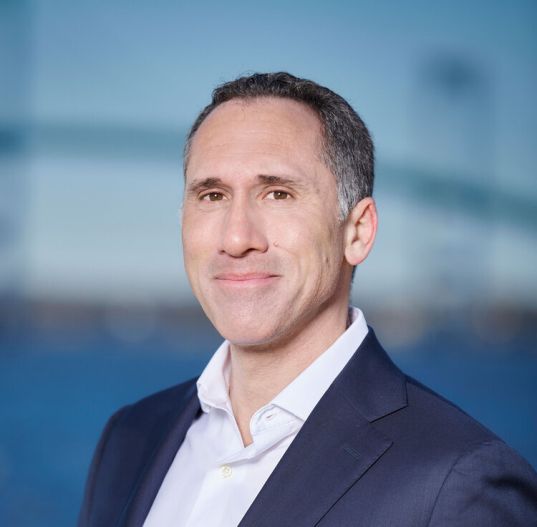
Frank L. Smith III is the director of the Cyber and Innovation Policy Institute (CIPI), part of the Strategic and Operational Research Department in the Center for Naval Warfare Studies at the U.S. Naval War College. Smith was previously a senior lecturer in the Department of Government and International Relations at the University of Sydney. His interdisciplinary research examines the relationship between emerging technology and national security, particularly in cyberspace. He has a Ph.D. in political science and a B.S. in biological chemistry, both from the University of Chicago.
Host
Reppy Institute for Peace and Conflict Studies, part of the Einaudi Center for International Studies
Additional Information
Program
Einaudi Center for International Studies
Reppy Institute for Peace and Conflict Studies