
Superpowers, Inc.
September 14, 2023
12:00 pm
Uris Hall, G08
Rethinking the Origins and Significance of Corporate Climate Action
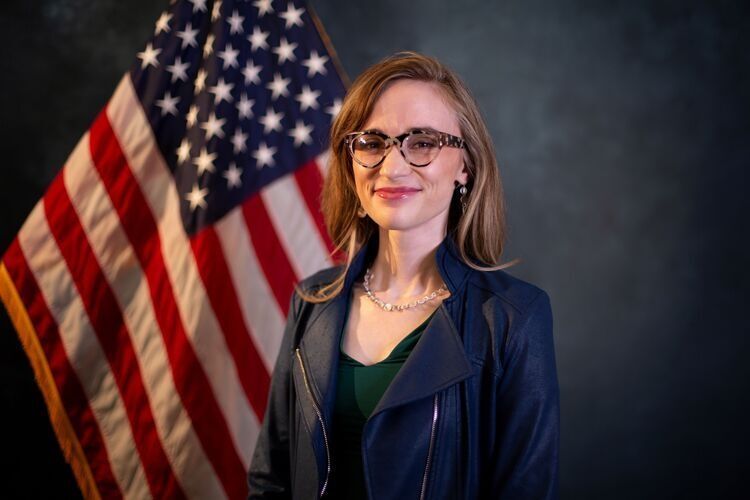
Charlotte Hulme, Assistant Professor of International Affairs at the United States Military Academy, will examine the origins and significance of the corporate climate action phenomenon. Based on her recently published book, she will discuss how and why, throughout the 2010s, a growing cohort of some of the world’s largest corporations adopted certain climate practices and converged around the idea that the private sector has a vital role in addressing climate change and advancing a low-carbon future.
She will address how policy developments that states widely understood as watersheds, particularly the 2015 Paris Climate Agreement, confirmed what the private sector had long believed: that states lacked answers about how to achieve concerted, ambitious, and effective climate action. Dr. Hulme will discuss the potential implications of powerful corporations seeking to fill a perceived leadership vacuum in an area poised to shape future global trends and impact the international security landscape.
About the Speaker
Dr. Charlotte Hulme is an Assistant Professor of International Affairs at the United States Military Academy, where she also serves as the Deputy-Director of the Johnson Grand Strategy Program. Her recently published book, Corporate Climate Action, Transnational Politics, and World Order, examines how and why multinational corporations came to play a more prominent role in the climate change issue area during the 2010s. Charlotte received her Ph.D. in Political Science from Yale University and M.Phil. in Politics and International Studies from Cambridge University, where she studied humanitarian intervention and the responsibility to protect in the African Union context.
Host
Judith Reppy Institute for Peace and Conflict Studies
Additional Information
Program
Einaudi Center for International Studies
Reppy Institute for Peace and Conflict Studies