
East Asia Program
La Langue, Colonial Legacies, and Area Studies: Comparative Modernities
September 23, 2023
10:00 am
Physical Sciences Building, 401
A Conference Sponsored by the Department of Asian Studies and the Institute for Comparative Modernities, Cornell University, Ithaca
Friday, September 22 | Saturday, September 23, 2023
DAY 2 –– Saturday, September 23, 2023 | Physical Sciences Building 401
10:00 – 11:30 a.m. PANEL TWO – Questioning Areal Lexicons: Colonialism, Decolonization, Communism, Fascism
Moderator: T. Joshua Young (Cornell University, Ithaca)
Panelists:
Arnika Fuhrmann (Cornell University, Ithaca): Southeast Asia as Question: Thinking Region from Bangkok
Peter Button (Independent Scholar, New York): Settler Democracy, Anti-communism and the Area Studies
Lisa Yoneyama (University of Toronto, Toronto): Sensing Violence: On the Use of the Concept of Fascism
Discussant: Gavin Walker (Cornell University, Ithaca)
LUNCH BREAK
1:30 – 3:30 p.m. PANEL THREE – Area and the Authorization of Language
Moderator: Andrew Campana (Cornell University, Ithaca)
Panelists:
Natalie Melas (Cornell University, Ithaca): Modern Lyric and Racial Time: Langue in and against Empire
Naminata Diabate (Cornell University, Ithaca): Whither Fieldwork or Homework? Naming a Methodology in Comparative Literature
Takashi Fujitani (University of Toronto, Toronto): Is Clint Eastwood a Japanese Director? Some Thoughts on Language and Subtitling in Letters from Iwo Jima
Olúfẹ́mi Táíwò (Cornell University, Ithaca): No Game is Fun if Only One Side Keeps Winning
Discussant: Grant Farred (Cornell University, Ithaca)
COFFEE BREAK
4:00 – 5:30 p.m. PANEL FOUR – Language, Nation, Area
Moderator: Viranjini Munasinghe (Cornell University, Ithaca)
Panelists:
Jon Solomon (Université Jean Moulin Lyon 3, Lyon): The Ideological Inscription of Capitalist Hegemony in Language: On the Unity of Language and the Mode of Address
Setsu Shigematsu (University of California, Riverside): Yellow Skin, White Masks, and the Force of AntiBlackness: The Structuring Epistemic-Ontology of Japan Studies
Hideto Tsuboi (Waseda University, Tokyo): Resist Fluency
Discussant: Naoki Sakai (Cornell University, Ithaca)
5:30 – 6:00 p.m. Concluding Roundtable with Brett de Bary (Cornell University, Ithaca)
Friday, September 22 conference schedule (Goldwin Smith G64, 15:00-18:00)
La Langue, Colonial Legacies, and Area Studies: Comparative Modernities
The conference proposes that what is taken for granted today as national or ethnic language, in the sense of “la langue,” came into existence in the world in modernity, that is, the world as it was gradually organized according to the basic schema of internationality instituted in Europe from the 16th to 19th centuries. Initially this understanding of an “international world” was limited to a special region called Europe, but as the territorial states in Europe moved into non-European regions and conquered their lands, the Eurocentric structure of the international world gained global dominance. Gradually, all the land surface of the earth came to be organized by the bipolarity of Europe (also called “the West” since the end of the 19th century) and the Rest. Thanks to the pioneering work of Cécile Canut (Provincialiser la langue, Edition Amsterdam, 2021), Jon Solomon (Spectral Translation), and Naoki Sakai (Voices of the Past) we now understand that the notion of la langue is closely associated with the colonial internationality of the modern world. Our attempts to seek national languages everywhere as the sign of indigenous cultural and political autonomy is, in fact, a continuation of the colonial imposition of the Eurocentric norm on colonial populations. Hence, Canut’s appeal for ‘provincializing Europe’ challenges the established modality of knowledge production about the Rest, particularly in area studies.
The conference will therefore consider the formation of national language to be closely affiliated with knowledge production in the modern human and social sciences, on the one hand, and with the creation of the new “imagined community” called “the nation,” on the other. We seek to discuss how broader problems of knowledge production are implicated in the international structure of Eurocentric modernity with a particular emphasis on the intimate connections between the formation of the area and the constitution of la langue.
Participants:
Brett de Bary (Cornell University)
Naoki Sakai (Cornell University)
Jon Solomon (Université Jean Moulin Lyon 3, Lyon)
Cécile Canut (Université Paris Cité and Université Sorbonne Nouvelle, Paris)
Peter Osborne (Kingston University, London)
Hideto Tsuboi (Waseda University, Tokyo)
Chul Kim (Yonsei University, Seoul)
Peter Button (Independent Scholar, New York)
Setsu Shigematsu (University of California, Riverside)
Lisa Yoneyama (University of Toronto)
Takashi Fujitani (University of Toronto)
Natalie Melas (Cornell University)
Arnika Fuhrmann (Cornell University)
Naminata Diabate (Cornell University)
Gavin Walker (Cornell University)
Mukoma wa Ngugi (Cornell University)
Olúfẹ́mi Táíwò (Cornell University)
Grant Farred (Cornell University)
Additional Information
Program
Einaudi Center for International Studies
East Asia Program
La Langue, Colonial Legacies, and Area Studies: Comparative Modernities
September 22, 2023
3:00 pm
Goldwin Smith Hall, G64 (Kaufmann Auditorium)
A Conference Sponsored by the Department of Asian Studies and the Institute for Comparative Modernities, Cornell University, Ithaca
Friday, September 22 | Saturday, September 23, 2023
DAY 1 –– Friday, September 22, 2023 | Goldwin Smith Hall 64, Kaufmann Auditorium
3:00 – 3:15 p.m. Welcome Introduction – Brett de Bary and Naoki Sakai
3:30 – 5:30 p.m. PANEL ONE – Colonialism and the Invention of the National Language
Moderator: Esra Akcan (Cornell University, Ithaca)
Panelists:
Cécile Canut (Université Paris Cité and Université Sorbonne Nouvelle, Paris): L’ordre-de-la-langue: The Myth of French as a Universal Language
Chul Kim (Yonsei University, Seoul): Construction of Colonial Internationality: Centered on the Production of National Language in Korea
Mukoma wa Ngugi (Cornell University, Ithaca): African Literary Criticism in Crisis: Politics of Language, Periodization, and Citizenship
Discussant: Peter Osborne (Kingston University, London)
Saturday, September 23 conference schedule (PSB 401 10:00-17:00)
The conference proposes that what is taken for granted today as national or ethnic language, in the sense of “la langue,” came into existence in the world in modernity, that is, the world as it was gradually organized according to the basic schema of internationality instituted in Europe from the 16th to 19th centuries. Initially this understanding of an “international world” was limited to a special region called Europe, but as the territorial states in Europe moved into non-European regions and conquered their lands, the Eurocentric structure of the international world gained global dominance. Gradually, all the land surface of the earth came to be organized by the bipolarity of Europe (also called “the West” since the end of the 19th century) and the Rest. Thanks to the pioneering work of Cécile Canut (Provincialiser la langue, Edition Amsterdam, 2021), Jon Solomon (Spectral Translation), and Naoki Sakai (Voices of the Past) we now understand that the notion of la langue is closely associated with the colonial internationality of the modern world. Our attempts to seek national languages everywhere as the sign of indigenous cultural and political autonomy is, in fact, a continuation of the colonial imposition of the Eurocentric norm on colonial populations. Hence, Canut’s appeal for ‘provincializing Europe’ challenges the established modality of knowledge production about the Rest, particularly in area studies.
The conference will therefore consider the formation of national language to be closely affiliated with knowledge production in the modern human and social sciences, on the one hand, and with the creation of the new “imagined community” called “the nation,” on the other. We seek to discuss how broader problems of knowledge production are implicated in the international structure of Eurocentric modernity with a particular emphasis on the intimate connections between the formation of the area and the constitution of la langue.
Participants:
Brett de Bary (Cornell University)
Naoki Sakai (Cornell University)
Jon Solomon (Université Jean Moulin Lyon 3, Lyon)
Cécile Canut (Université Paris Cité and Université Sorbonne Nouvelle, Paris)
Peter Osborne (Kingston University, London)
Hideto Tsuboi (Waseda University, Tokyo)
Chul Kim (Yonsei University, Seoul)
Peter Button (Independent Scholar, New York)
Setsu Shigematsu (University of California, Riverside)
Lisa Yoneyama (University of Toronto)
Takashi Fujitani (University of Toronto)
Natalie Melas (Cornell University)
Arnika Fuhrmann (Cornell University)
Naminata Diabate (Cornell University)
Gavin Walker (Cornell University)
Mukoma wa Ngugi (Cornell University)
Olúfẹ́mi Táíwò (Cornell University)
Grant Farred (Cornell University)
Additional Information
Program
Einaudi Center for International Studies
East Asia Program
Seeking Truth and Hiding Facts: Information, Ideology, and Authoritarianism in China
September 6, 2023
4:30 pm
Olin Library, 107
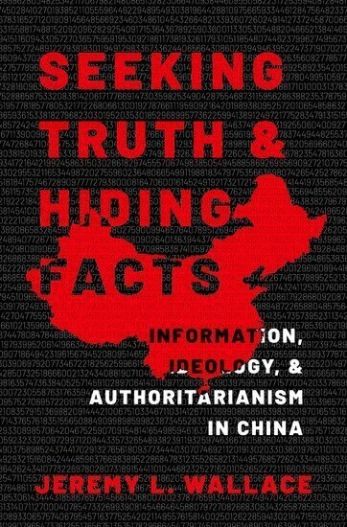
In a live, hybrid (in-person and livestreamed) Chats in the Stacks book talk Jeremy Wallace, professor of government, will discuss his latest book Seeking Truth and Hiding Facts: Information, Ideology, and Authoritarianism in China (Oxford University Press, 2023). Synthesizing and interpreting the past 40 years of China’s political economy, Seeking Truth and Hiding Facts reveals the consequences of relying on quantifiable indicators such as GDP and fiscal revenue for dictatorships, arguing that while quantification can help convince a populace of a leader’s right to rule, it also comes with its own perils.
This talk is hosted by Olin Library. Light refreshments will be served
Additional Information
Program
Einaudi Center for International Studies
East Asia Program
China: The Central State and All Under Heaven

This Cornell Contemporary China Initiative's theme this semester is "China: The Central State and All Under Heaven." Faculty director, Mara Yue Du (History).
At the core of the “China Dream” and China’s rise in power at the global stage is the Chinese Communist Party’s proclaimed role in the “great rejuvenation of the Chinese Nation”—a restoration of China’s historical glory and its rightful place as a “Central State” of “All under Heaven.” To achieve this goal, China’s current leader Xi Jinping requires the party “not to forget the original intention,” which could be interpreted as either a return to Marxist-Leninist fundamentalism, to Mao’s integration of “Marx” and Legalism of China's first imperial dynasty, to Republican ethno-nationalism, or to state Confucianism combined with territorial expansion in imperial China. As China’s past looms large in its present, understanding the historical relationship between the "Central State" and "All Under Heaven" is critical for our analysis of China’s economy, society, politics, and international engagement at the present and in the future.
Unveiling the Global Middle Ages: Muslim Perspectives and Encounters with East Asia in Premodern Interactions
August 31, 2023
4:30 pm
Uris Hall, G08
Talk by Hyunhee Park, History, John Jay College of Criminal Justice, CUNY
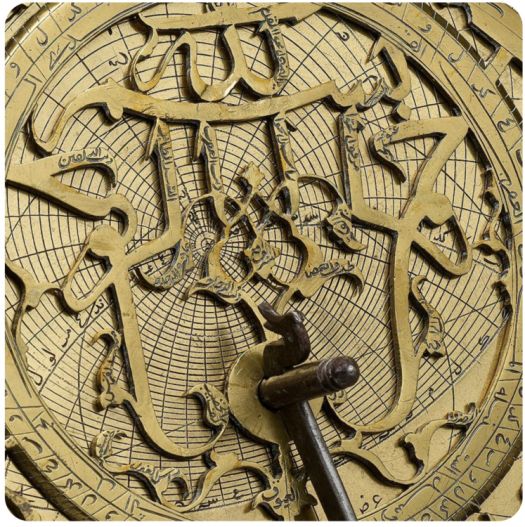
This presentation delves into the historical interactions and perspectives of Muslims concerning East Asia during cross-cultural exchanges in the premodern era. The Islamic civilization, which emerged in the early seventh century, rapidly expanded and evolved into one of the world’s most prosperous and influential societies during the medieval period. Muslim merchants from the Middle East played a dominant role in the Indian Ocean trades, regularly undertaking voyages to reach China, a paramount commercial hub in premodern Afro-Eurasia. Their contributions greatly facilitated the exchange of people, goods, and ideas across Afro-Eurasia, thereby shaping the global nature of the medieval period. The premodern interactions between the Middle East and East Asia serve as exceptional case studies for understanding the Global Middle Ages, as they offer a wealth of literary and cartographic sources left behind by scholars and firsthand observers from both societies. By comparing evidence from these sources, including written records and maps, we aim to identify patterns of continuity and change in geographic understandings, particularly during the Mongol and post-Mongol eras when both worlds experienced significant political transformations. This exploration allows us to comprehend how Muslim societies developed their conceptualization of the wider world, while also being influenced by it. Importantly, it reveals the active participation of Asian civilizations in global interactions well before 1492, challenging the notion that globalization began solely with European expansion.
Additional Information
Program
Einaudi Center for International Studies
East Asia Program
Fall '23 Event Schedule

Join us for lectures, colloquia, and more!
Key events include "China: The Central State and All Under Heaven," a four-part Cornell Contemporary China Initiative lecture series organized by Mara Yue Du (History); the Hu Shih Distinguished Lecture, given this year by Haun Saussy, University Professor in the Department of East Asian Languages and Civilizations and the Committee on Social Thought at the University of Chicago; and a symposium on the separation of Uyghur children from their families in China, organized by Magnus Fiskesjö (Anthropology). We are also cosponsoring Cornell Cinema's film series celebrating the Chinese-American actress Anna May Wong.
EAP Fall '23 Event Schedule
Most events take place in Goldwin Smith Hall GSH64 at 4:45 p.m. unless otherwise noted.
9/12 Unending Capitalism: How Consumerism Negated China’s Communist Revolution
Karl Gerth, History, University of California, San Diego
9/18 Unleashing the Power of Feminist Activism in China
Churan Zheng, Chinese feminist activist and organizer
9/22 Cosmic Correlations in Dali-Kingdom Buddhism (Cornell Classical Chinese Colloquium)
Megan Bryson, Religious Studies, University of Tennessee
3:30 p.m., Rockefeller Hall 375 (Asian Studies Lounge)
9/25 Guiding the People: Chinese Statecraft from Confucian Literati to Communist Cadres (Cornell Contemporary China Initiative)
Timothy Cheek, History, University of British Columbia
10/2 The Stealth Activist Japanese Supreme Court
Masahiko Kinoshita, Graduate School of Law, University of Kobe, Japan
Myron Taylor Hall, Moot Court, Room 390, Cornell Law School
10/16 Whose Tianxia? Imagining the Great Qing in Post-Imperial China (Cornell Contemporary China Initiative)
Fei-Hsien Wang, History, Indiana University Bloomington
10/20 Old Ghosts in Tang Chang'an: Two Stories (Cornell Classical Chinese Colloquium)
Xin Wen, East Asian Studies, Princeton University
3:30 p.m., Rockefeller Hall 375 (Asian Studies Lounge)
10/27 Uyghur Children in China’s Genocide (symposium)
Organized by Magnus Fiskesjö, Anthropology, Cornell University
1:00 p.m., Goldwin Smith Hall G76
10/30 How Long is a Contemporary Chinese Poem?
Pu Wang, Professor of Chinese Literature and Culture, Brandeis University
11/3 This event is canceled. Animating Forces: Late-Ming and Early-Qing Conceptions of "Plucking Life" (caisheng 採生).
Andrew Schonebaum, School of Languages, Literatures, and Cultures, University of Maryland
3:30 p.m., Rockefeller Hall 375 (Asian Studies Lounge)
11/9 The Annual Hu Shih Distinguished Lecture: "Exile As Formative Experience in Classical Chinese Poetry"
Haun Saussy, East Asian Languages and Civilizations, University of Chicago
4:45 p.m., Clark Hall 700
11/10 Kang Youwei's Roman Diaries (1904) (Cornell Classical Chinese Colloquium)
Haun Saussy, East Asian Languages and Civilizations, University of Chicago
3:30 p.m., Rockefeller Hall 375 (Asian Studies Lounge)
11/15 The Qing Conquest as 'Just War': Manchu Arguments and European Reception (Cornell Contemporary China Initiative)
Nicola Di Cosmo, East Asian Studies, Institute for Advanced Study
11/20 Ainu as an Indigenous Language of Japan: History, Controversy, Implication
Anna Bugaeva, Institute of Arts and Sciences, Tokyo University of Sciences
12/4 Geopolitics, Mobilization, and the Communist Monetary System in Manchuria, 1945-1949 (Cornell Contemporary China Initiative) | Virtual Event
Yanjie Huang, Chinese Studies, National University of Singapore
Please see our EAP events feed for additional programming. We cosponsor many events throughout the semester.
Additional Information
Program
I Love Bill and Other Stories

I Love Bill and Other Stories showcases the work of Wang Anyi, one of China's most prolific and highly regarded writers, in two novellas and three short stories.
Book
31.95
Additional Information
Program
Type
- Book
- Cornell East Asia Series
Publication Details
Publication Year: 2023
Publication Number: 214
ISBN: 978-1-5017-7106-4
Announcing the 2023-2024 EAP Fellowship and Grant Recipients

Congratulations to the EAP Fellowship and Grant Recipients!
The East Asia Program is proud to support the research of our graduate students.
CV Starr Fellowship
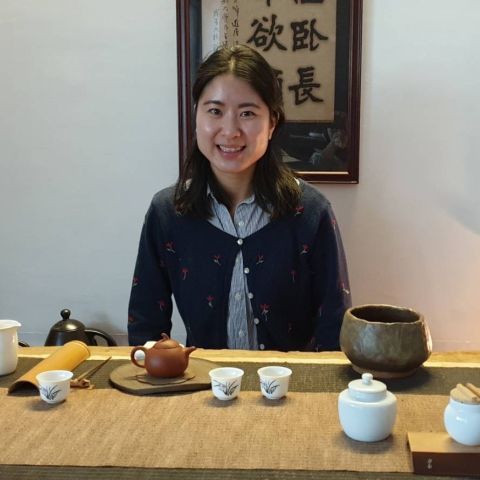
Peggy ChaoHistory of Art and Visual Studies DepartmentObjects, Ritual, and Tea: Crafting Taiwanese IdentityPeggy’s dissertation investigates the material culture of tea, and the ways in which tea is constructed and re-invented as a cultural tradition and local symbol of modern Taiwan. The project focuses particularly on chayi (tea art), a modern terminology created by tea connoisseurs in Taiwan in the late 1970s and early 1980s. Chayi is a form of artistic expression in which the preparation and serving of tea requires a certain level of knowledge, skills, and training. Incorporating the performative and ritual aspects into the discussion, she examines not only the textual and visual representations of chayi, but also the embodied and sensorial experiences of tea practices thereby contributing to the formation of art, tradition, and identity. 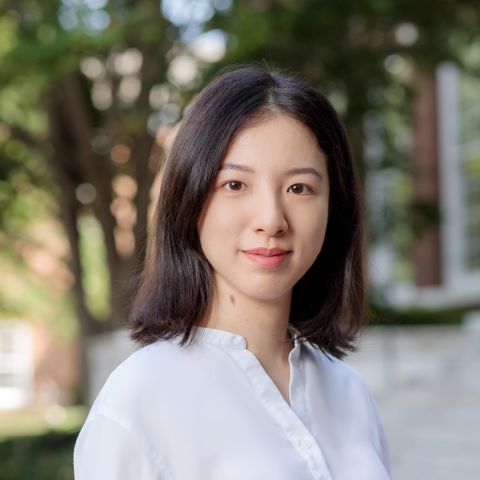
Mengwei LinDyson School of Applied Economics and ManagementLocal Government Competition and Firms' Location DecisionsWhen businesses decide where to locate, they consider local policies. New firms boost local economic growth by increasing employment and paying taxes. For her research, Mengwei will analyze local government competition by developing a one-dimensional policy measure and a structural framework to understand the welfare consequence of this competition on business entry in the context of a developing country. 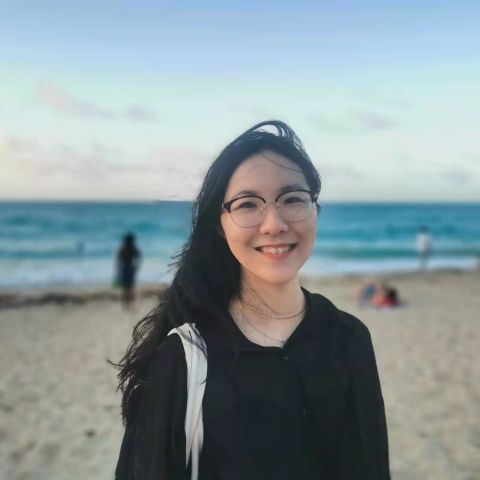
Tianyi ShouComparative LiteratureThe Globe and its Discontents: Imperial Space-Time, Ethnographic Form and Global Imaginations, 1900-1950Tianyi’s research examines the time period between 1900 and 1950 to tease out an imperial logic of time that precludes a truly global future, and the global imaginations that can be salvaged to think against it. Fin-de-siecle Europe saw a paralysis of “imperial progress,” when the developmental time of industrial capitalism was disrupted by empire’s absorption of “backward” spaces into itself. Tianyi argues that arising with the bourgeoning discipline of anthropology, ethnography, the writing (graphein) of “race," "culture” (ethnos), enabled humanist subjects to write about ethnos as objects, reinventing the globe as an imperial space-time that fused a modernized present of the West and a primitivized past of “The Rest.” Bringing together disparate archives, literature and media, Tianyi interrogates the lexicons of globalization that engulf ethnos in spaces without futures and reimagines futures for a global space. 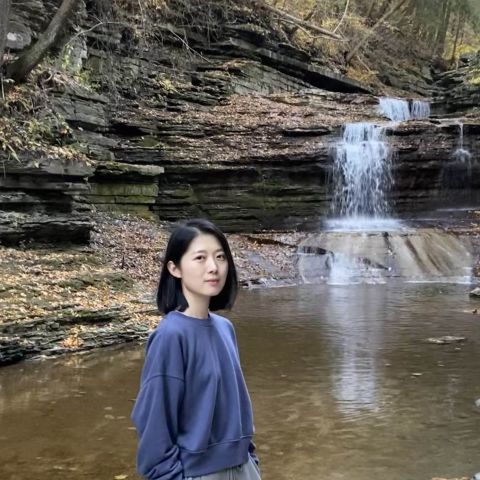
Anke WangHistoryAbolitionist Parallels: Regulating Domestic Servitude in South China, 1840-1940Anke’s dissertation, tentatively titled “Abolitionist Parallels: Servitude, Legal Reform, and International Intervention on South China Borderlands 1800-1950”, examines the regulation of human bondage from the 1840s to the 1950s in China and Chinese communities in Southeast Asia, showing how a universal category of slavery was made and negotiated in confrontations between colonial regimes, sovereign states, and international law. By tracing how abolitionist legislations were circulated between the Atlantic and Asia through the intermediary of international organizations and diasporic Chinese, this study will explore the paradoxes of intervention and sovereignty, abolitionism and property, and the persistence of social vices in relation to humanitarian governance. Diverse Knowledge East Asia
Thomas CressyMusicology/EthnomusicologyBahha: an anthropological reception history and cultural study of J.S. Bach in JapanThomas will use the fellowship to conduct ethnographic fieldwork in Japan. In order to gain further insight into the overwhelming popularity and engagement with J.S. Bach in Japanese society, he will use his time in Japan interviewing professional musicians, scholars, and amateur groups, as well as consulting primary sources and secondary literature not available in Cornell. Such fieldwork will be indispensable to Thomas’s dissertation, which maps out the different ways Bach's music has been used by Japanese social actors from the Meiji period until the present day. 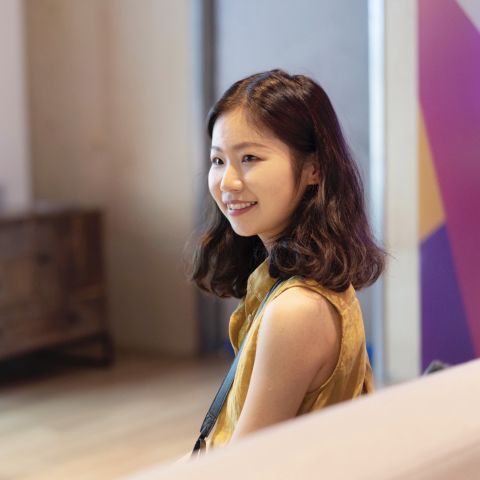
Yue ZhaoScience and Technology StudiesOut of Sync: Biorhythms, Bodies, and Information in China, 1979-1999Yue’s research is situated at the intersection of the history of science, medicine, and information technology in modern China. Her dissertation project, currently entitled "Out of Sync: Biorhythms, Bodies, and Information in China, 1979-1999," seeks to understand how the human body became a site of (self-)governance through numerical calculation and prediction in industrial labor management, reproductive health, and daily self-care practices in post-Mao China. It investigates the roles of a wide range of local actors, including scientists, industrial enterprises, educational institutions, and ordinary citizens, who actively employed biorhythmic technologies in everyday life to organize, predict, and archive the vitality cycles of the human body to guide future activities. By doing so, the project uncovers the changing relationship between information technologies, bodily management, risk control, and subject formation in China's exploration of its own modernity during a transitional period. Hu Shih Fellowship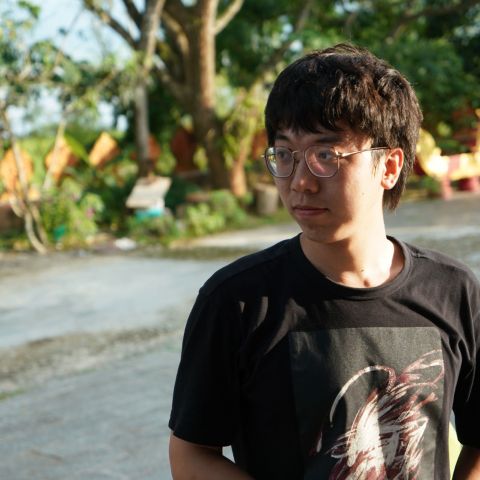
Zhuang HanGlobal DevelopmentMigrant Non-workers in Southeast ChinaZhuang’s dissertation project investigates the life of a special group of young migrant workers living in Shenzhen, called the “Sanhe Gods.” These young people choose to live on unsecured daily paid jobs, even if stable factory jobs are available. While public opinion explains their situation due to personal incapability and systematic social inequality, Zhuang’s project aims to emphasize the group’s agency in their decision to give up on long-term factory employment. By studying their experiences, Zhuang hopes to generate new knowledge on resistant practices and culture against the exploitive capitalist working culture by bridging the empirical experiences of the “Sanhe Gods” and the theoretical analysis of systematic social inequality and individual agency. Lee Teng-Hui Fellowship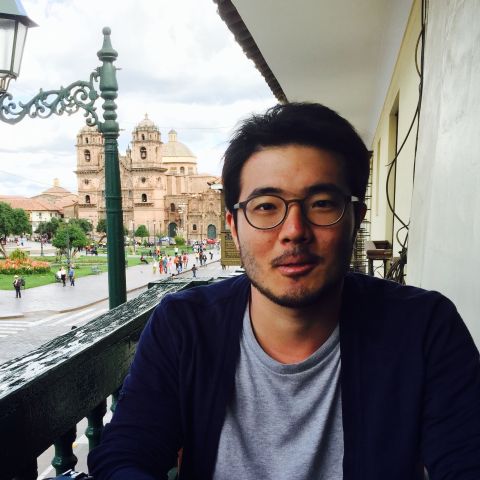
Young-Hoon KimLinguisticsOn the Nature of Pronominal Gaps in Japanese and KoreanYoung-Hoon’s research focuses on the nature of pronominal gaps in Japanese and Korean, where the intended meaning is conveyed without using any overt linguistic form. While this has been largely attributed to the discourse context in the languages, he is investigating this phenomenon from the perspective of syntax and semantics, aiming to provide a unified structural mechanism lying behind pronomial gaps. This will be interwoven with the previous analyses by discourse context, given the recent development in linguistic theory where discourse information is in a close relationship with syntactic and semantic derivation.
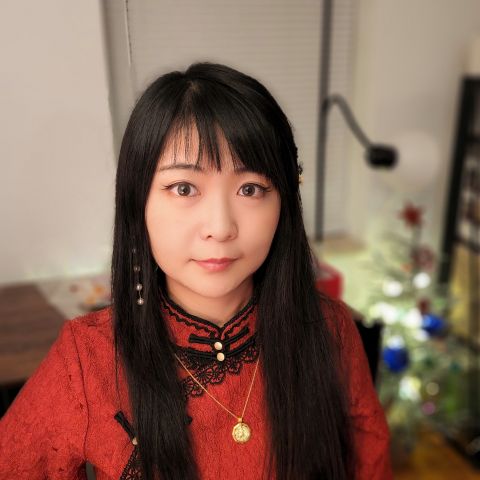
Yumeng ZhangAsian StudiesStatus Dissonance among Non-literati Elites in Late Medieval China: A Comparative Approach Integrating Material and Textual SourcesAs a third-year Ph.D. student in Asian Studies, Yumeng focuses on studies of popular religions, medieval elite cultural history, material culture, and archaeology. In her dissertation, she will explore the issue of status dissonance among non-literati elites during the Tang (618-907C.E.) and the Song Dynasties (960-1279 C.E.). With the support of the Lee Teng-Hui Fellowship, she will conduct fieldwork in the warehouses of local museums, libraries, archives, and cultural heritage departments in northern China. She plans to visit tombs and collect data on excavated materials that have not yet been published or analyzed in depth. This fieldwork will allow Yumeng to gain a more comprehensive understanding of the non-literati’s lives, agency, and culture, as well as the status dissonance they experienced. By studying these materials in conjunction with normative texts, she aims to bridge the disciplinary and methodological disconnections in current scholarship. Robert J. Smith Fellowship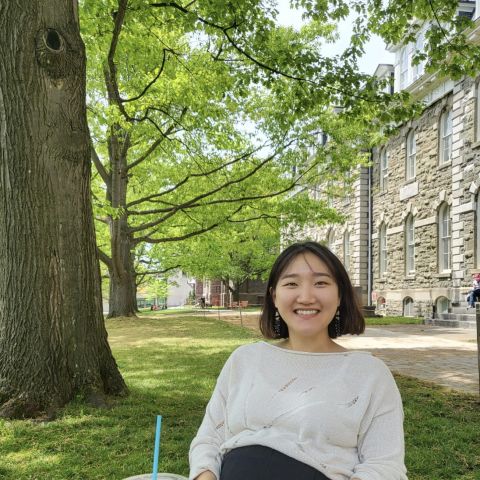
Euna KimCity and Regional PlanningVariegated "Affordability": A Cross-Cultural Investigation of Affordable Housing Development in New York City and SeoulFacing a global problem of lagging wages, rising housing costs, and a shortage of affordable housing, there is a plethora of studies investigating housing policies and practices, often making comparisons between countries. Despite many studies examining affordable housing challenges in the international context, there has been surprisingly limited attention paid to the different understandings of “affordability” in each culture. Varying ideas of what constitutes “affordable housing” lead to vastly different conceptions of the affordable housing problem and responses. To address this limitation, Euna examines New York City, USA, and Seoul, (South) Korea to probe into different perceptions of affordability. Through a comparative study of the affordable housing programs and the finance system that undergirds such programs, underlying assumptions and perceptions of affordability are investigated. 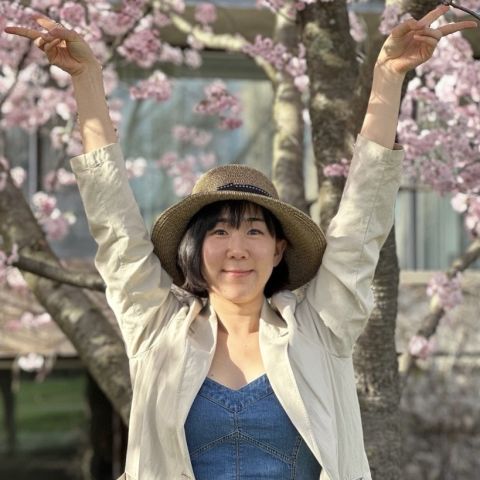
Eunjeong KimArchitectureUndoing Democracy: Architecture of Foreign Aid in Postwar KoreaEunjeong Kim explores the architectural history of postwar Korea built with the supply, and by the performance, of foreign aid. She examines the intersections between Korea's built environment, foreign aid, the Cold War formation of pro-capitalist democratic ideology, Korea's enchantment with modernity in the wake of decolonial struggles, and the complicity between the United States and Japan to uphold imperial supremacy. In doing so, she uncovers how architecture, as a historical actor, played a role in cultivating instrumental democracy while continuously displacing the political foundation of democratic subjectivity. Language Study Grants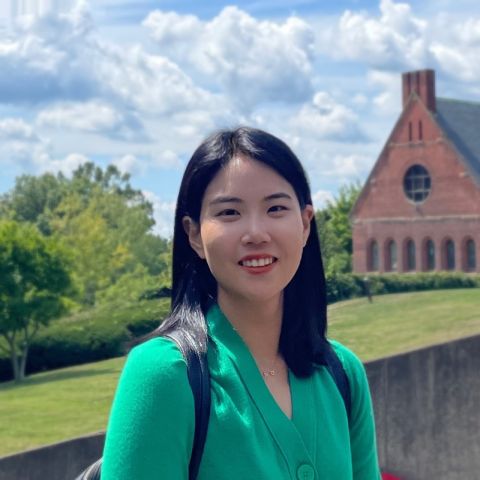
Su-Yeon SeoAsian StudiesSu-Yeon spent the summer attending Indiana University at Bloomington Summer Language Workshop to gain advanced knowledge in Japanese language. Su-Yeon’s research focuses on pre-modern book history of China and broader East Asia, especially of premodern Sinitic dictionary and encyclopedia. She mainly examines how language plays out in the organization of information and the shaping of locality, supplemented with the scrutiny of materiality and physicality of books, as well as their transregional movement. 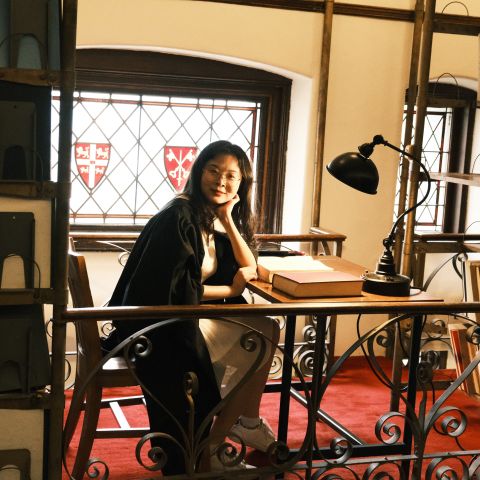
Yuanxue JingAsian StudiesYuanxue studies the changes in character design in Japanese games and manga, as well as how media techniques in a constellation of contemporary pop-cultural practices affect audience perceptions of characters. Her current research explores how and why women-oriented instant message-style games and novels can shape the illusion of a player/reader-virtual character intimacy.
|
Additional Information
Program
Churan Zheng: Unleashing the Power of Feminist Activism in China
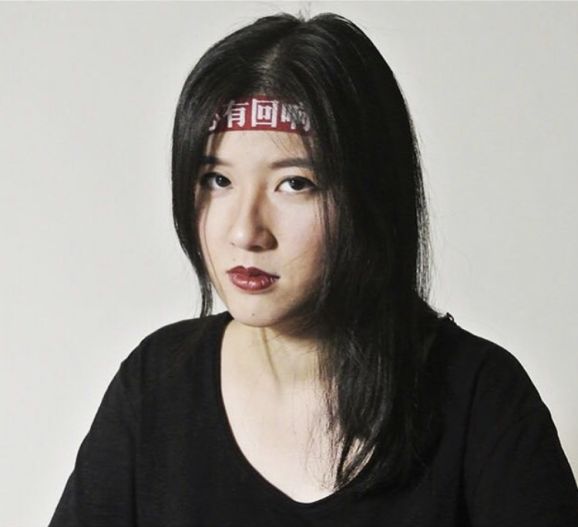
September 18, 2023
4:45 pm
Goldwin Smith Hall, GSH64 Kaufman Auditorium
In the past decade, China's grassroots feminist movement, primarily led by young women, has brought about transformative changes to various gender-discriminatory policies in the country. Through activist endeavors, this movement has initiated a ground-up understanding of feminism among the general public. Despite the constrained political environment, the feminist movement persists in various manifestations and continues to evolve.
In this talk, Churan Zheng, Chinese feminist activist and organizer, provides an overview of the strategies employed by young feminist activists in China, while also delving into the current trajectory and objectives of the feminist movement amidst a backdrop of political tightening.
Zheng will be introduced by Eli Friedman (ILR), faculty host and moderator. The event is hosted by the Einaudi Center's East Asia Program and cosponsored by the Feminist, Gender, and Sexuality Studies Program at Cornell.
***
About the Speaker
Churan Zheng is a Chinese feminist activist and organizer and is one of the China Feminist Five. Since 2012, she has been organizing young Chinese women to engage in policy advocacy and public education and has also worked on advocating for female workers’ rights. She is one of the co-recipients of Ms. Magazine's 10 of the Most Inspiring Feminists of 2015 and one of the BBC's 100 Women in 2016.
Additional Information
Program
Einaudi Center for International Studies
East Asia Program
EMI Conference 2023: Risks and Realignments
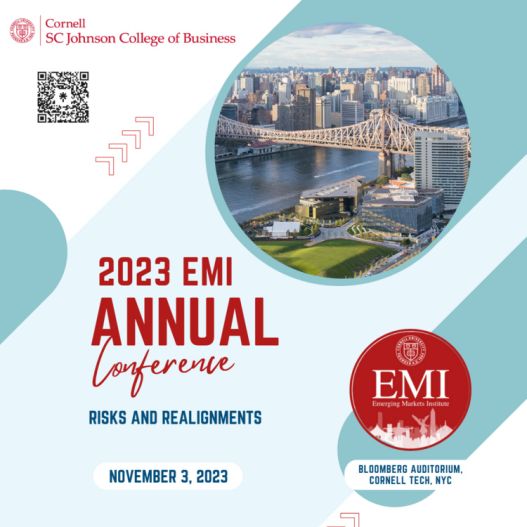
November 3, 2023
9:00 am
Bloomberg Center, Cornell Tech, NYC, Bloomberg Auditorium
Register Here
Featured Speakers:
Iván Duque Former President of Colombia (2018-2022) Colombia
Heather Henyon Founding Partner Mindshift Capital, UAE
Andrew Karolyi Charles Field Knight Dean and Harold Bierman Jr Distinguished Professor of Management Cornell SC Johnson College of Business, USA
Mark Mobius Founding Partner Mobius Capital Partners, UAE
Juan Pablo Ortega Co-founder and CEO Yuno, Puerto Rico
Shaanti Shamdasani CEO & Founder S. ASEAN International Advocacy & Consultancy - SAIAC, Indonesia
Vera Songwe Chair and Founder Liquidity and Sustainability Facility, Africa
Marcos Troyjo Transformational Leadership Fellow University of Oxford
Edward Tse Founder and Chairman Gao Feng Advisory Company, China
The Cornell Emerging Market Institute Conference is the United States’ leading annual forum for discussing the ongoing trends and phenomena in our world’s rapidly growing emerging markets. Bringing together heads of the world’s largest multilateral institutions and preeminent business, the conference fosters engaging discussions on economic development and this year, specifically, through the lens of global supply chains.
The Conference is hosted at Cornell’s landmark Cornell Tech campus on Roosevelt Island in New York City and will feature a variety of key-note speakers, thought-provoking panel discussions, networking sessions, and two sponsored competitions: the Cornell EMI Mark Mobius Pitch Competition and the Cornell EMI Corning Case Competition. The Conference also marks the launch of the Institute’s Annual Report, a collection of research and articles from the past year developed by researchers within Cornell as well as the Emerging Multinationals Research Network in collaboration with OECD Development Center, UNCTAD, IFC, and Inter-American Development Bank.
This year’s conference is centered around the compelling theme Risks and Realignments:
Emerging markets are in flux—no longer the future, already central to the present. And yet Capital is flowing as if there is doubt, with new partnerships dawning, old questions lingering. The EMI Conference straddles the crossroads, here to capture a seminal moment, when crises — even the specters of financial contagion — may not have to threaten us, so much as invite us to think anew. This Conference reaffirms our commitment to building bridges, as risks spill over, as potential realignments draw closer. The conference will hold 4 panels, the Cañizares Award ceremony, and the competition finals:
Central Bank Digital Currencies: Looking Back and Looking ForwardReorganizing investments in Emerging MarketsRealignments: Multilaterals and Sovereign Wealth FundsLaunch of the EMI Report 2023Cornell EMI Corning Case CompetitionCornell EMI Mark Mobius Pitch CompetitionJoin us.
Cornell University’s Emerging Market Institute is holding its annual conference on November 3rd at Cornell Tech on Roosevelt Island, NYC.
The Emerging Markets Institute holds an Annual Conference every first Friday of November, in which Emerging Markets are brought to the forefront of discussion. Within the conference, EMI also holds the finals of the and the . Stay connected to the EMI Conference website to find more about the speakers and agenda, and follow our newsletter.
Additional Information
Program
Einaudi Center for International Studies
Latin American and Caribbean Studies
South Asia Program
East Asia Program