
East Asia Program
Xi’s North Korea Trip Puts Kim Jong Un at the Center of the World
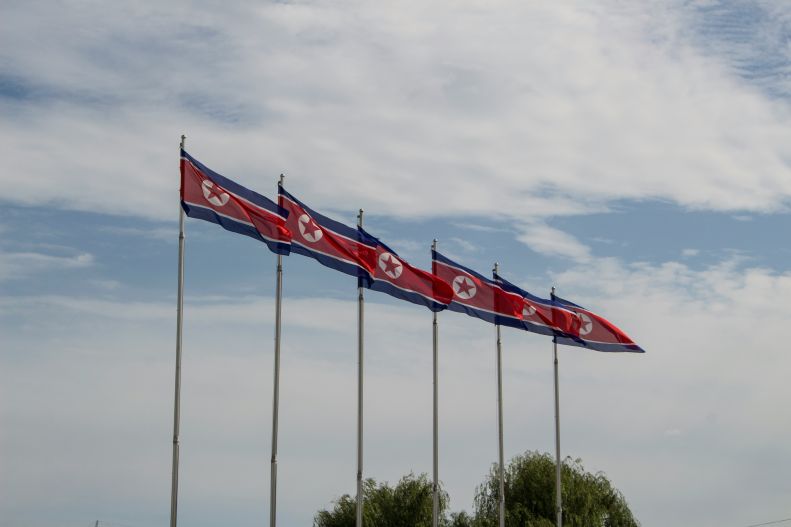
Allen Carlson, EAP/SAP
Allen Carlson, a Cornell University government professor, provides analysis on China's shifting role in global power dynamics.
Additional Information
100 Days of Iran War: Winners and Losers

Allen Carlson, EAP/SAP
Allen Carlson, a Cornell University associate professor of government, analyzes China's role in the Iran conflict and its global diplomatic implications.
Additional Information
Mandarin Conversation Hour
July 27, 2026
1:00 pm
Stimson Hall, G25
Join us this summer to practice your language skills and meet new people. Conversation Hours provide an opportunity to use the target language in an informal, low-pressure atmosphere. Have fun practicing a language you are learning! Gain confidence through experience! Just using your new language skills helps you learn more than you might think. Conversation Hours are open to any learner, including the public.
Additional Information
Program
East Asia Program
Cornellians Accept Fulbright U.S. Awards
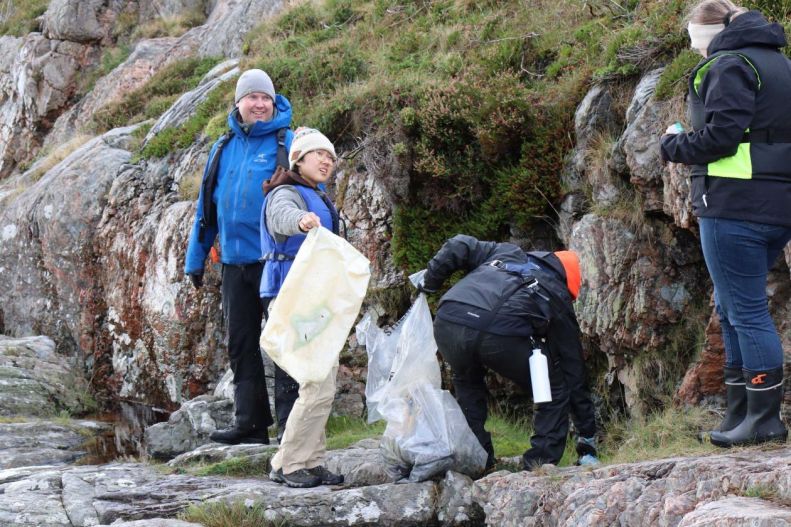
18 Awardees to Research, Study, Teach
A new group of Cornellians has accepted Fulbright U.S. Student Program awards. Einaudi supported them through the application process.
Each year, Fulbrighters conduct research, study and teach English in countries around the globe. Cornell University is a Fulbright Top Producing Institution and has sent over 600 students across the globe as part of the Fulbright U.S. Student Program since the 1940s.
The Fulbright program is the U.S. government's flagship international educational exchange program. The Mario Einaudi Center for International Studies administers the Fulbright program at Cornell, providing all the resources students and alumni need to apply for Fulbright funding for international experiences.
Meet the Fulbrighters
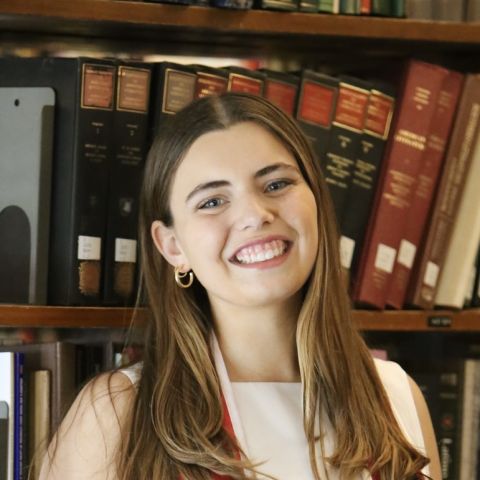
Mia Battistella ’26
Argentina
English Teaching Assistant
“While in Argentina I want to engage with community members by organizing dance classes that feature both traditionally American and Argentine styles, bringing people together through shared creativity and building opportunities for intercultural exchange.”
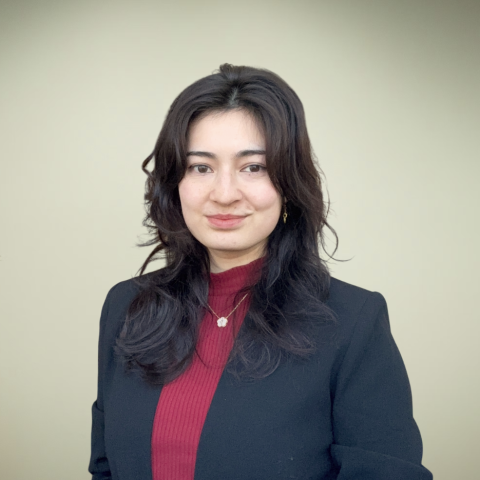
Matthew Cabiles ’24
Latvia
English Teaching Assistant
“My future in international law starts with a foundation in teaching, and this grant is the first step in my path toward serving at the intersection of the U.S. and global communities.”
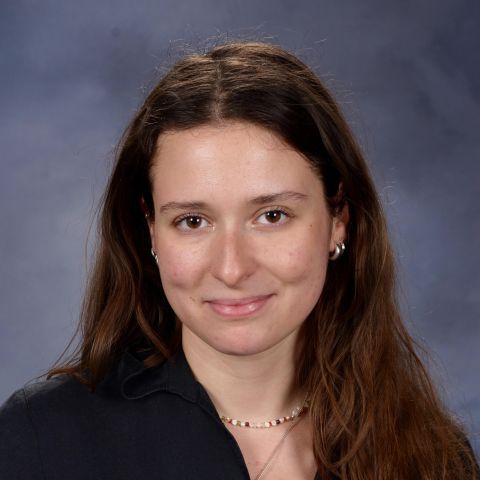
Alanna Cooney ’26
Taiwan
English Teaching Assistant
“My goal is to continue deepening my engagement with the world and contribute to fostering stable U.S.-Asia relations. Upon my return, I want to help others see the value of international exchange and encourage more people to explore opportunities abroad in Asia.”
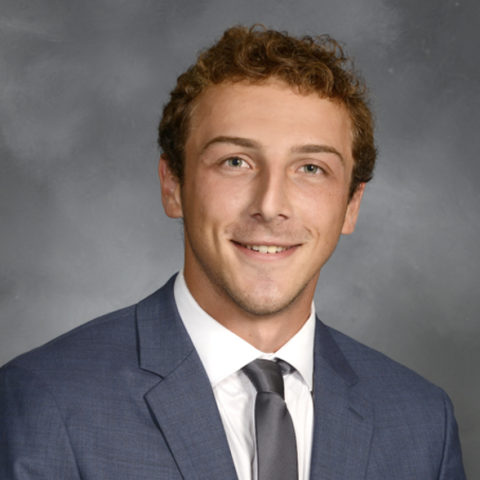
Nina Davis ’26
Portugal
English Teaching Assistant
“Through investigation I hope to use the cultural and ambassadorial skills from the Fulbright program to enhance my writing and interviewing processes. In my writing and academic career, I will likewise incorporate my experience in Portugal as a student-teacher with an emphasis on the importance of cultural exchange.”
Bryce Demopoulos ’23, MD ’28
Uganda, Fulbright Fogarty Fellowship in Public Health
Research: Expanding Orthopedic Trauma Surveillance in Uganda: Care-Seeking Paths and Injury Patterns
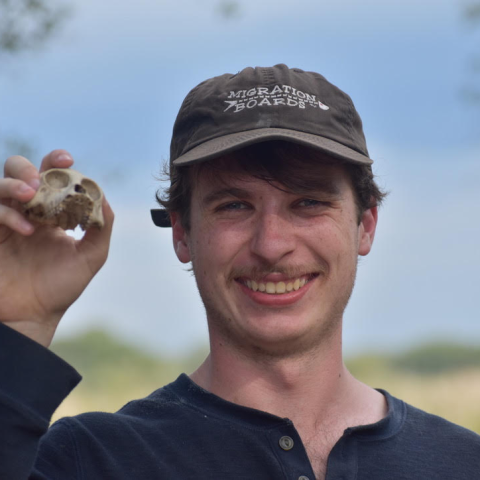
William “Gus” Dupin ’26
Indonesia
Research: Developing Acoustic Approaches for Non-invasive Health Monitoring of Wild Orangutans
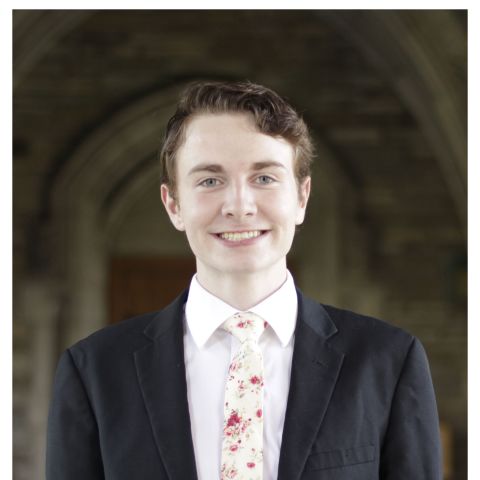
Hyrum Edwards ’25
Turkey
Master of International Relations: Religion and Secularism in Turkey
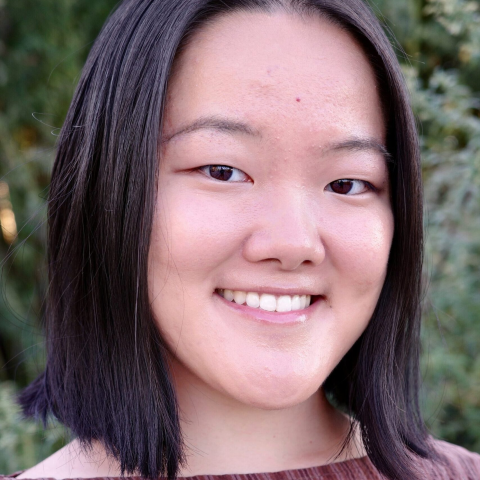
Annie Fu ’20
Study in Taiwan
Masters in Creative Industries Design
"As an educator at universities and arts organizations in New York, I will integrate the case studies from my Fulbright research into my journalism design curricula and my practice as a teaching artist."
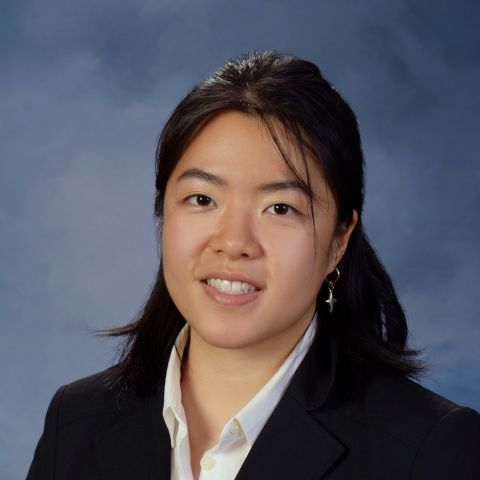
Amanda Huang ’26
Germany
Research: Multimodal Optical Imaging for Intraoperative Tumor Diagnosis and Ablation
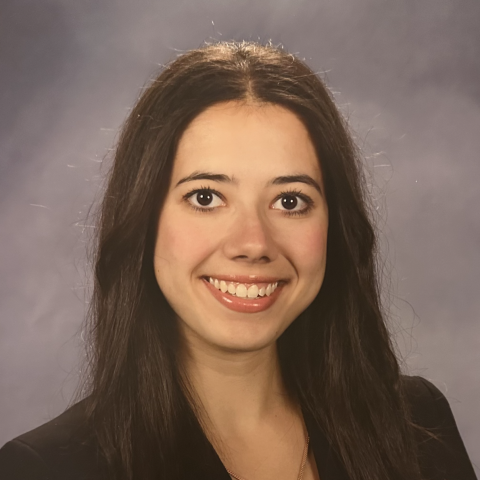
Madeleine Kapsalis ’26
Greece
English Teaching Assistant
“Teaching students abroad will help me strengthen my ability to communicate across cultural differences, which will eventually carry over to my skills in legal practice. Just as there is established trust and vulnerability between the lawyer and the client, this is the kind of relationship built on mutual respect and understanding that I hope to share with each of my students in Greece.”
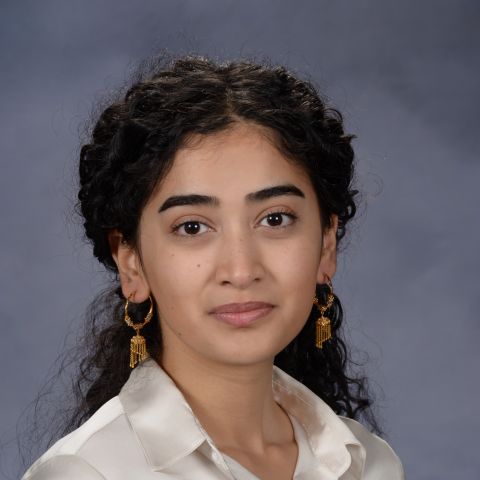
Arushi Kende ’26
India
Research: The Cultivation of Altruistic Cultures: Seva as a Model for Regenerative Altruism
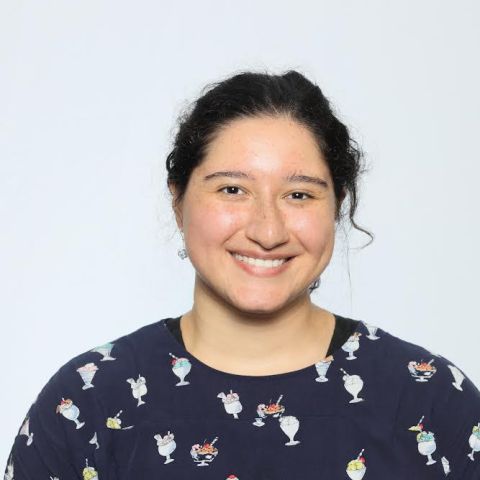
Sarah Langleben ’24
Taiwan
English Teaching Assistant
“Fulbright will enable me to better prepare for founding a company that uses data science to make skincare more accessible. [After the program], I’ll work as an esthetician, and I can speak to clients, peers, and estheticians-in-training about my experience, and the value of cultural exchange in our field.”
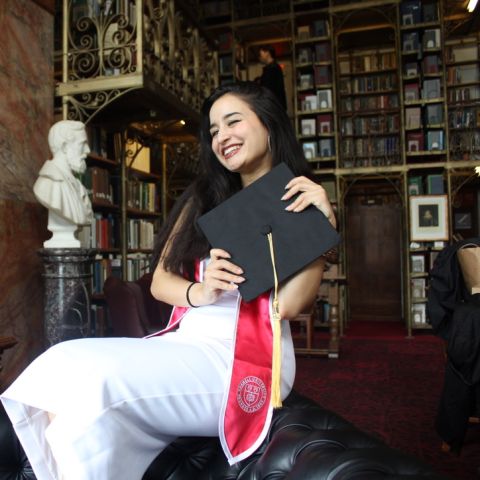
Serena Moscarella ’25
Peru
English Teaching Assistant
“After completing my Fulbright grant, I plan to continue working in education across Latin America and the United States. I hope to design and lead programs that are participatory, locally driven, and that meaningfully impact students’ everyday lives.”
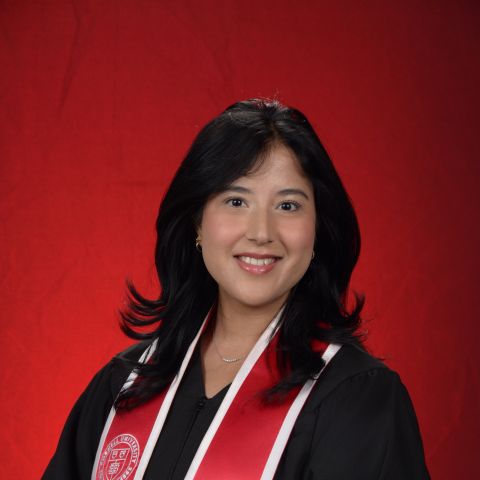
Reshma Niraula ’26
Nepal
Research: Does Bilingualism Delay Dementia? A Neurocognitive Study of Geriatric Patients in Nepal

Jake Rosen ’25
Spain
English Teaching Assistant
“I see much to be learned about U.S. social issues through Spain’s past and present dynamics, from censorship to migration. Nine immersive months will multiply the Spanish perspectives already at my core, for dissemination across all facets of my life."
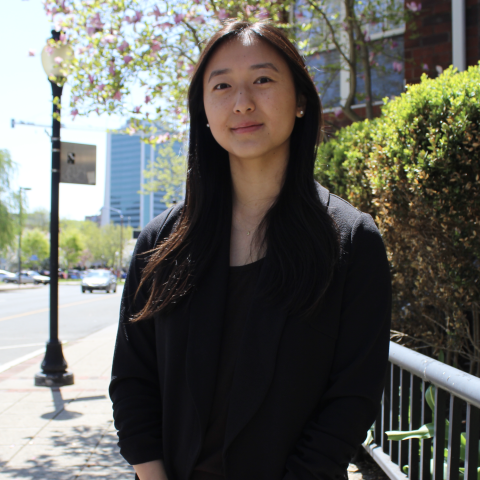
Stephanie Tan ’23
Taiwan
English Teaching Assistant
“After my grant, I will pursue a PhD in counseling or school psychology to further study how best to teach and support kids. Long-term, I hope to work in a school or private practice to help children manage their mental well-being.”
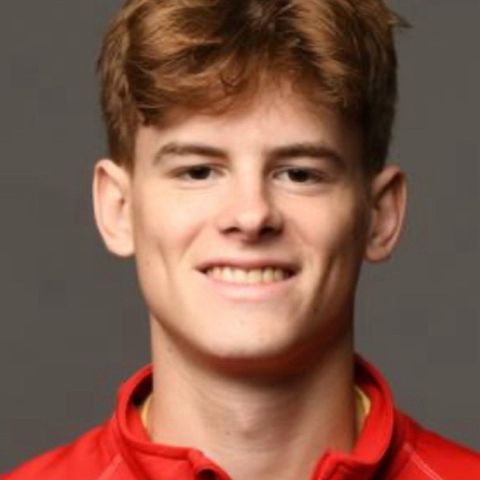
William Taylor ’26
Mongolia
English Teaching Assistant
“After completing my Fulbright grant, I will pursue a career in teaching high school history by studying for a master’s degree in classics. My teaching assistantship in Mongolia will help me supplement my western-centric educational background and develop a more well-rounded understanding of history and intercontinental relationships.”
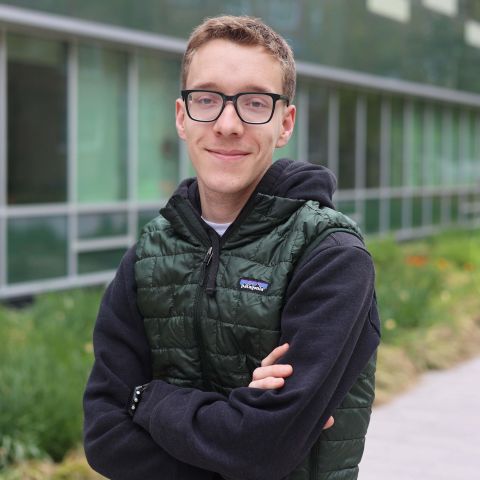
Jack Turner ’26
Japan
Research: The Shinkansen Effect: Rail Access and Rural Population Stability in Aging Japan
Additional Information
What’s the Significance of the Russian President’s Visit to China?
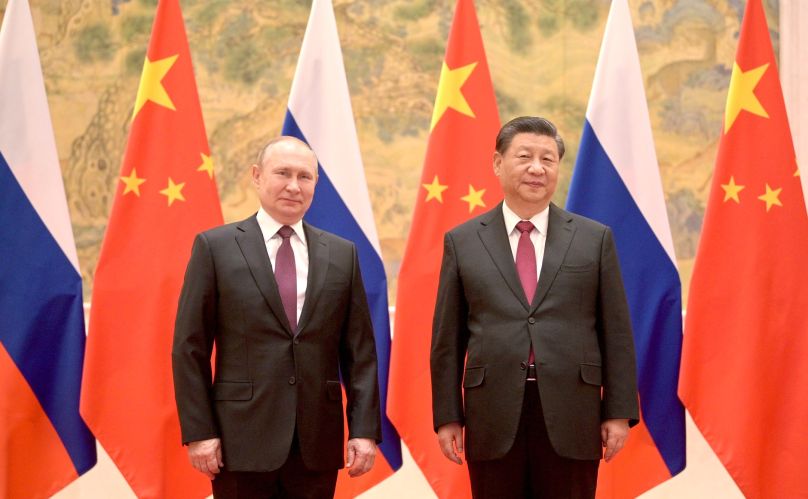
Allen Carlson, EAP/SAP
Allen Carlson, an associate professor in Cornell University's Department of Government, offers expertise on Chinese foreign policy during discussions on Sino-Russian relations.
Additional Information
Trade, Taiwan and Iran Cast Shadows on Trump’s China Summit with Xi

Allen Carlson, EAP/SAP
Allen Carlson, a Cornell University associate professor of government and expert on Chinese foreign policy, analyzes the summit's significance in terms of U.S.-China relations and China's international standing.
Additional Information
Why Trump’s China Trip Is Set up to Fail
Allen Carlson, EAP/SAP
Allen Carlson, a China expert at Cornell University, comments on the extremely low likelihood of meaningful outcomes from the Trump-Xi summit.
Additional Information
2026 Korean Showcase
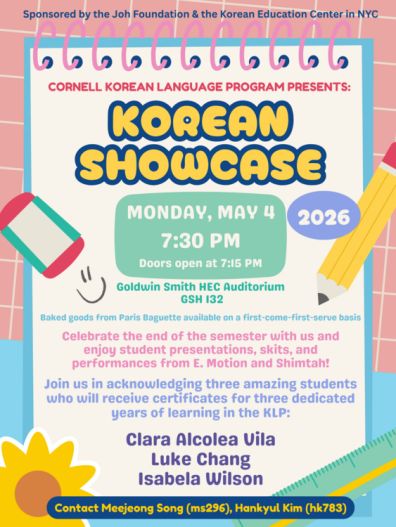
May 4, 2026
7:30 pm
Goldwin Smith Hall, 132
Celebrate the end of the semester with the Korean Language Program and enjoy student presentations, skits, and performances from E. Motion (K-pop dance) and Shimtah (traditional percussion)! Also, join us in acknowledging three amazing students who will receive certificates for three dedicated years of learning in the KLP! Baked goods from Paris Baguette available on a first-come-first-serve basis. The door opens at 7:15pm.
Additional Information
Program
East Asia Program
Bartels Lecture: Samantha Power
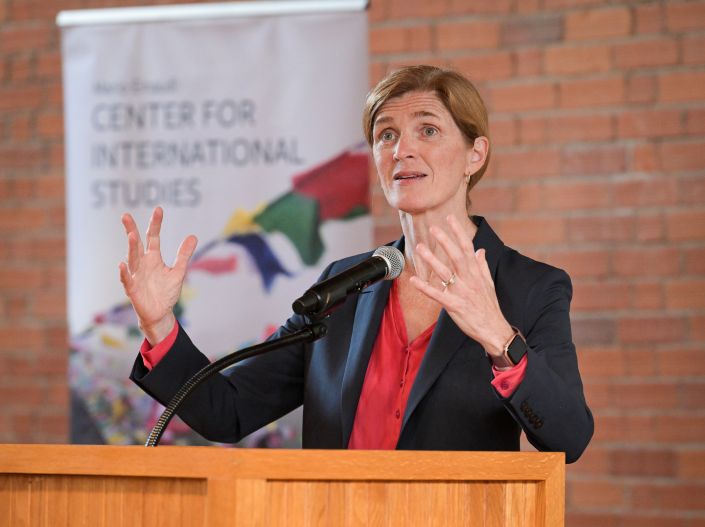
Former USAID Director Calls for Rebuilding Foreign Aid
Samantha Power challenged students to “build what comes next” during the Bartels World Affairs Lecture on April 16.
Additional Information
Information Session: Careers for International Relations Minors
April 29, 2026
11:00 am
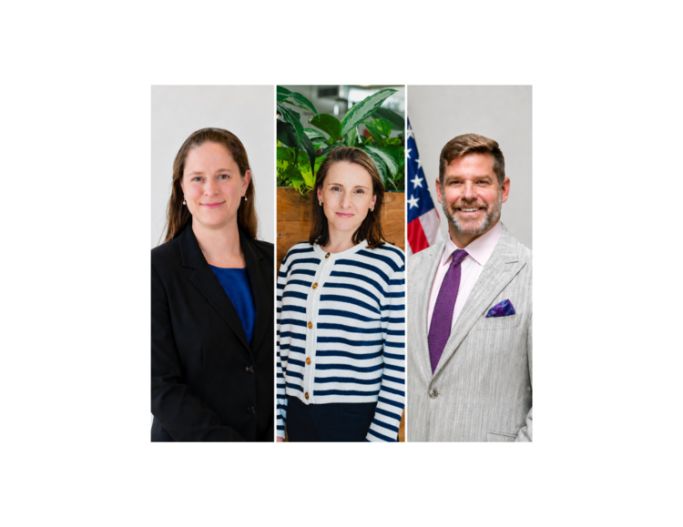
Join the International Relations Minor for a virtual career information session featuring Cornell alumni working in diplomacy, education, and law. Panelists will reflect on their career paths, share advice on internships, graduate school, and professional transitions, and answer student questions about careers connected to international relations.
Register here.
***
Speakers
Eric Andersen is the Political-Economic Counselor at the U.S. Embassy in Maputo, Mozambique. Having joined the U.S. State Department in 2009, he previously served as Political Counselor (Acting) in Islamabad, Pakistan. His other assignments have included Cairo, Kyiv, and Khartoum, as well as in Washington, D.C. as Special Assistant to the Under Secretary of State for Political Affairs. Prior to entering the Foreign Service, he spent four years on Capitol Hill as a Professional Staff Member for the Senate Committee on Homeland Security and Governmental Affairs. In his first stint with the U.S. Government, he flew the SH-60B “Seahawk” helicopter as an aviator in the U.S. Navy. He holds an M.A. in Security Policy from the George Washington University, and a A.B. in English Literature from Cornell University (Class of 1996).
Angie Yucht Swenson, M.S.Ed., Ed.M., is the founder and principal tutor of AYS Tutoring and Consulting, a practice she launched after more than a decade working in both private and public schools across New York City. She specializes in supporting elementary through high school students with learning challenges and has worked with families from diverse international backgrounds, including Russia, Israel, and France. Angie graduated from Cornell University in 2010, majoring in Human Development and minoring in International Relations, followed by a master’s in General and Special Education from Hunter College, and a master’s in School Leadership from Bank Street College of Education. She resides in NYC with her husband, two daughters, and a goldendoodle.
Emma Marshak is a commercial litigator in Washington, DC who specializes in judgment enforcement. She has enforced domestic and international judgments, including awards from investor-state arbitration, in federal and state courts across the United States.
***
This session is presented by the Einaudi Center for International Studies. The International Relations minor is open to all Cornell undergraduate students interested in learning about the politics, economics, history, languages, and cultures of the world.
Additional Information
Program
Einaudi Center for International Studies
Reppy Institute for Peace and Conflict Studies
East Asia Program
Southeast Asia Program
Latin American and Caribbean Studies
Institute for African Development
Institute for European Studies
South Asia Program
Migrations Program
Southwest Asia and North Africa Program