
Einaudi Center for International Studies
Rapidly Closing Window to Address Climate
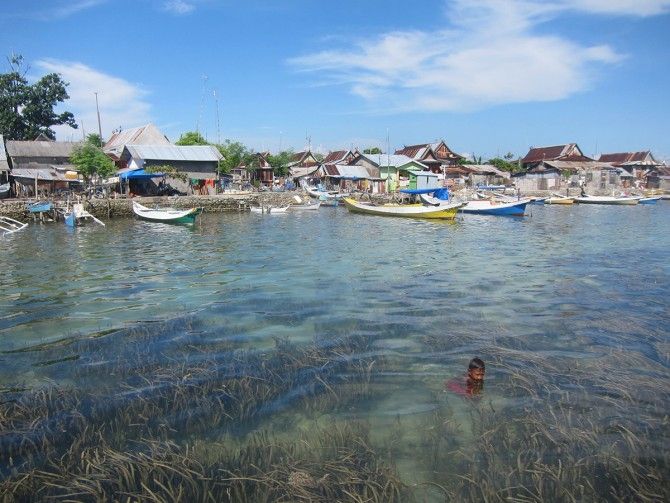
Einaudi Faculty Contributes to IPCC Report
Rachel Bezner Kerr, part of the Einaudi Center's qualities of life research team, contributes to a new UN climate report on climate change impacts.
Additional Information
Migrations Grants: Apply Now

Focus on Racism and Dispossession
A new cycle of Migrations initiative grants for faculty supports migrations-related research, pedagogy, and engagement. Applications due April 25.
Additional Information
N’Dri Thérèse Assié-Lumumba

Professor, African and African Diaspora
Additional Information
Program
Role
- Faculty
- IAD Core Faculty
- IAD Advisory Council
Contact
Email: n.assie-lumumba@cornell.edu
Phone: 607-255-7839
Esra Akcan
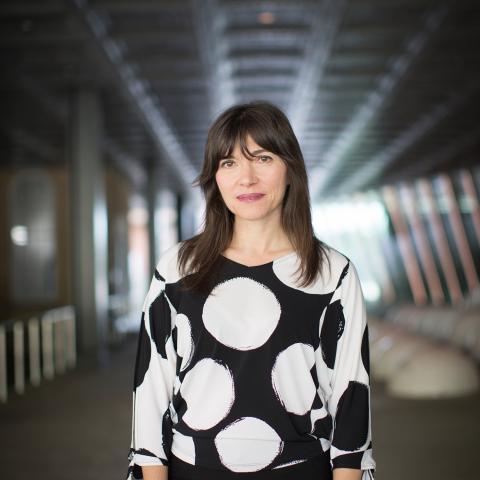
Professor, Architectural Theory
Esra Akcan is the Michael A. McCarthy Professor of Architectural Theory in the Department of Architecture. Her scholarly work on a geopolitically conscious global history of urbanism and architecture inspires her teaching. She is the author of Architecture in Translation: Germany, Turkey and the Modern House (Duke University Press, 2012); Turkey: Modern Architectures in History (with S.
Additional Information
Kenneth Roberts

Director, Latin American and Caribbean Studies Program
Additional Information
Program
Role
- Faculty
- LACS Core Faculty
- LACS Director
- LACS Steering Committee
- Einaudi Faculty Leadership
Contact
Email: kr99@cornell.edu
Abby Cohn

Professor, Linguistics
Abby Cohn is a professor of linguistics and Southeast Asian studies. Her research interests include the Austronesian languages of Indonesia, with a particular focus on their phonetics, phonology, and morphology.
Additional Information
Rebecca Slayton
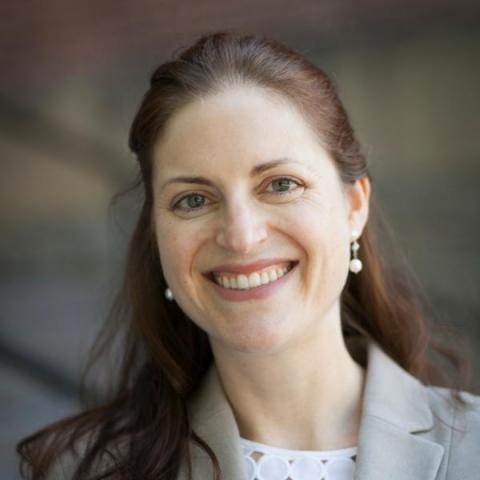
Director, Reppy Institute for Peace and Conflict Studies
Additional Information
Program
Role
- Faculty
- PACS Core Faculty
- PACS Director
- PACS Steering Committee
- PACS Minor Field Instructor
- Einaudi Faculty Leadership
Contact
Email: rs849@cornell.edu
Phone: 607-255-8914
Eric Tagliacozzo

Director, Southeast Asia Program
Eric Tagliacozzo is the John Stambaugh Professor of History at Cornell University. He is the director of the Einaudi Center's Southeast Asia Program, and a core faculty member of the Southeast Asia Program and South Asia Program.
His research centers on the history of people, ideas, and material in motion in and around Southeast Asia, especially in the late colonial age.
Geographic Research Area: Southeast Asia, South Asia
Teaching/Research Interests: Migration and trade, material history, Silk Road, Indian Ocean
Additional Information
Program
Role
- Faculty
- SAP Core Faculty
- SEAP Core Faculty
- SEAP Director
- Einaudi Faculty Leadership
- Executive Committee
Contact
Email: et54@cornell.edu
Iftikhar Dadi
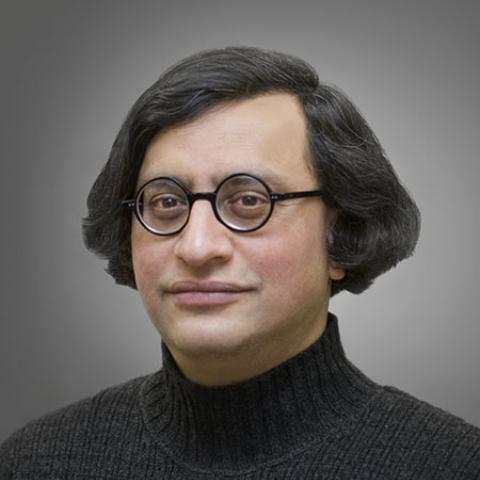
John H. Burris Professor in the Department of the History of Art and Visual Studies
Geographic Research Area: Pakistan, India, Bangladesh, Sri Lanka, and Middle East
Teaching/Research Interests: Modern and contemporary art, methodology and intellectual history, and film, media, and popular cultures
Additional Information
Program
Role
- Faculty
- SAP Core Faculty
- SAP Steering Committee
- SAP Advisory Council
- Executive Committee
Contact
Email: mid1@cornell.edu
Uphill: What the Inter-American System, Universities, and Civil Society Can Do Today for Democracies in the Americas

October 27, 2026
12:20 pm
Uris Hall, G08
Sebastián Kraljevich, former Secretary for the Strengthening of Democracy at the Organization of American States and a political strategist with more than 25 years of experience across 13 presidential campaigns in Latin America, examines the mounting challenges facing democratic forces as authoritarian projects gain ground across the region. Drawing on both his institutional and electoral experience, he explores what is genuinely at stake for Latin American democracies, the possibilities and limits of the inter-American system in responding to democratic backsliding, and the role that universities, practitioners, and civil society can play where multilateral institutions reach their limits. He offers analysis, data, and strategic elements to discuss how democratic projects can compete on an increasingly uneven playing field.
Additional Information
Program
Einaudi Center for International Studies
Latin American and Caribbean Studies