
Einaudi Center for International Studies
Cornell students to work at UN’s COP27 conference in Egypt
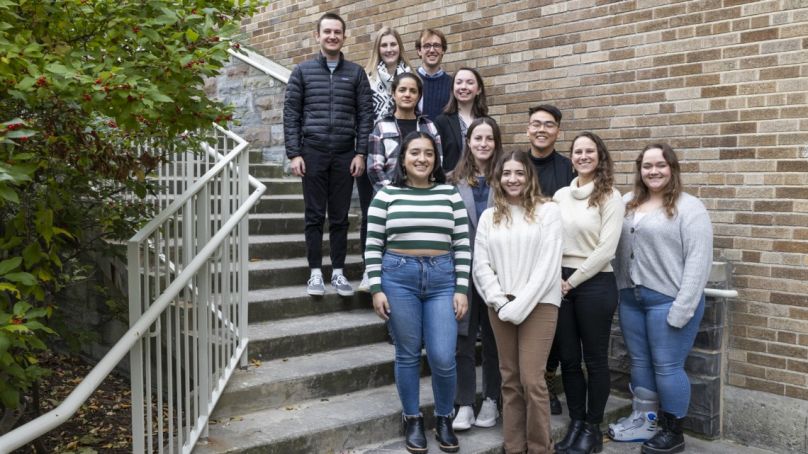
Charlie Tebbutt, LACS Graduate Fellow
At the upcoming Conference of the Parties – best known as COP27 – 11 Cornell students will help delegations from small countries gain a stronger environmental voice.
Additional Information
Afghan Evacuees in Limbo while Seeking Permanent Legal Status in the U.S.
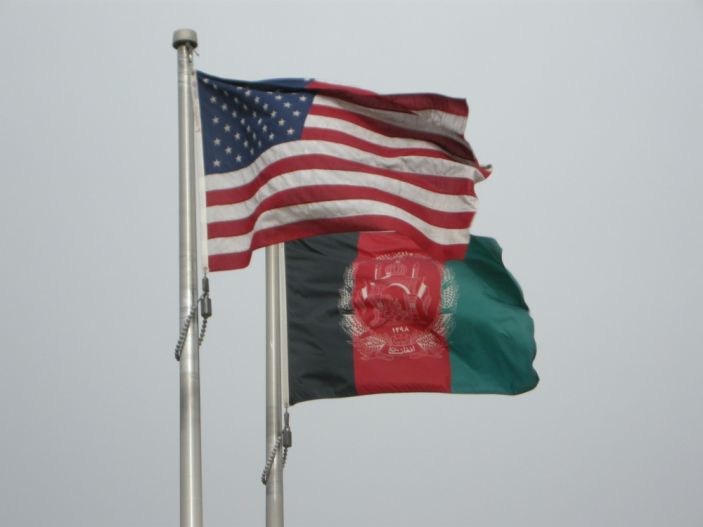
Stephen Yale-Loehr, Migrations
“While some members of the public think everyone from Afghanistan should get asylum, our system just doesn’t work that way,” says Stephen Yale-Loehr, professor of immigration law.
Additional Information
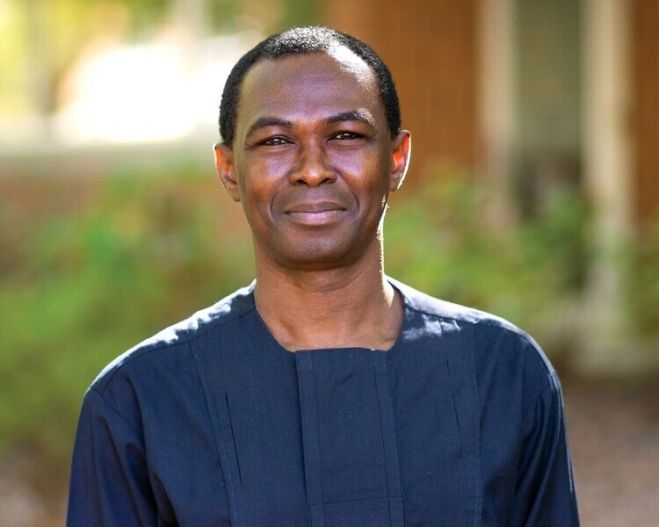
Lunch with Akinwumi Ogundira
November 7, 2022
12:00 pm
Africana Studies and Research Center at Cornell University, Hoyt Fuller Rooom
Lunch with Akinwumi Ogundira
RSVP to Judy Yonkin at jly5@cornell.edu by Friday November 4. Please advise if you have dietary restrictions.
Additional Information
Program
Einaudi Center for International Studies
Akinwumi Ogundiran
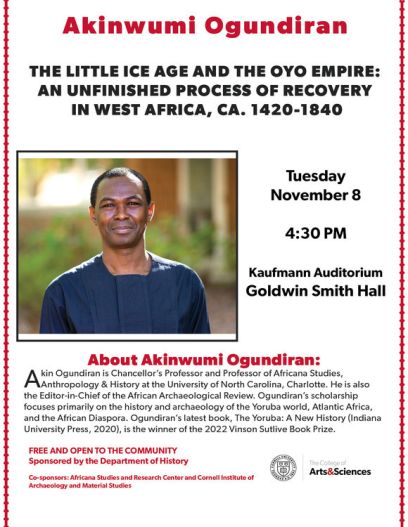
November 8, 2022
4:30 pm
Goldwin Smith Hall, Kaufmann Auditorium
THE LITTLE ICE AGE AND THE OYO EMPIRE: AN UNFINISHED PROCESS OF RECOVERY
IN WEST AFRICA, ca. 1420-1840
This lecture is free and open to the community.
About Akin Ogundiran:
Akin Ogundiran is Chancellor’s Professor and Professor of Africana Studies, Anthropology & History at the University of North Carolina, Charlotte. He is also the Editor-in-Chief of the African Archaeological Review. Ogundiran’s scholarship focuses primarily on the history and archaeology of the Yoruba world, Atlantic Africa, and the African Diaspora. Ogundiran’s latest book, The Yoruba: A New History (Indiana University Press, 2020), is the winner of the 2022 Vinson Sutlive Book Prize.
Additional Information
Program
Einaudi Center for International Studies
Institute for African Development
Panel Discussion: The Context and Legacy of the Partition of India through Works of Art
November 15, 2022
3:30 pm
Johnson Museum of Art, Wing Lecture Room ×
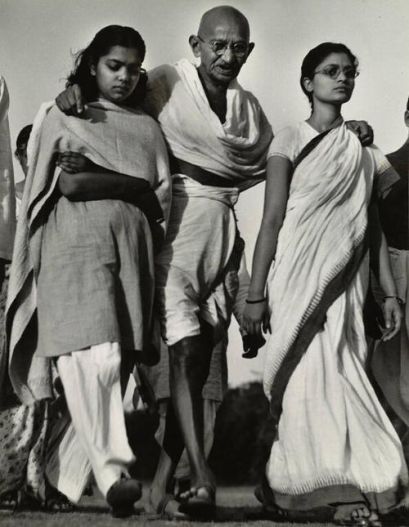
The exhibition 75 Years of Consequence: The Partition of India explores the legacy and tragedy of Partition, which created the independent states of India and Pakistan, and later Bangladesh. At this panel discussion, two of the exhibition curators—Ellen Avril, the Judith H. Stoikov Curator of Asian Art at the Johnson Museum, and Zain Abid ’24, a visitor services intern at the Museum and Outreach Coordinator for Cornell University’s South Asian Council—will be joined by Iftikhar Dadi, the John H. Burris Professor of History of Art and Binenkorb Director of the South Asia Program, and Durba Ghosh, Professor of History and director of the College of Arts and Science’s Humanities Scholars Program, to discuss the processes behind the exhibition and the social, cultural, and historical contexts of these works from the Museum’s permanent collection.
Cosponsored by the South Asia Program
Photo of Mohandas Gandhi on a morning stroll with his granddaughter Sita and grandniece Abbha, India, by Margaret Bourke-White (American, 1904–1971), 1946-48 (negative); ca. 1965 (print), Gift of the artist, Class of 1927, and LIFE Magazine
Additional Information
Program
Einaudi Center for International Studies
South Asia Program
How Thai (and Burmese) Torturers Talk

December 1, 2022
12:30 pm
Kahin Center
Nick Cheesman
In 2021, a group of anti-narcotics cops in Nakhon Sawan, Thailand suffocated a man to death with plastic bags. The torture and killing would have gone unreported but that it was captured on a video, which a lawyer posted online. News reports circled around the lead protagonist, a superintendent living a playboy lifestyle, and questions about how the lawyer got hold of the video.
In this lecture, I take a different tack. The video serves as a starting point for me to revisit Elaine Scarry’s (1985) thesis that torture is characterized by the interplay between the physical torment of the captive and the verbal domination of their torturers. Put another way, torturers’ attacks on their captives’ bodies are given meaning by how they talk.
How do Thai torturers talk? And how do answers to this question present opportunities for rethinking the relation between law, violence and political order in Thailand, and elsewhere, today? I respond to these questions by describing research on torture in Thailand conducted during 2018-19 and 2022, supplemented by data from Myanmar prior to the 2021 coup there. I attend to how torturers in both countries use pronouns, other parts of speech and profanity; and, pursue recurrent tropes that give voice to the political dynamic of violent degradation in torture. I reassess Scarry’s claim that interrogation is not external to torture but internal to it, and find that critics who reject her claim as empirically unsupportable overstate their case. This leads me to speculate on whether the logic of brutality that the torturers in Nakhon Sawan performed for the world to see, far from being exceptional, might yet be coextensive with state practice. If so, then maybe in torture the category of the human is brokered so that the existence of the state is justified.
Nick Cheesman is an associate professor in the Department of Political and Social Change, Australian National University; and, in Fall 2022, a visiting professor at the Baldy Center for Law and Social Policy, University at Buffalo. His “Torture in Thailand at the limits of law” is online with Law and Social Inquiry.
Lunch will be served.
Co-sponsored by the Reppy Institute for Peace and Conflict Studies.
Additional Information
Program
Einaudi Center for International Studies
Southeast Asia Program
Reppy Institute for Peace and Conflict Studies
Election Alert
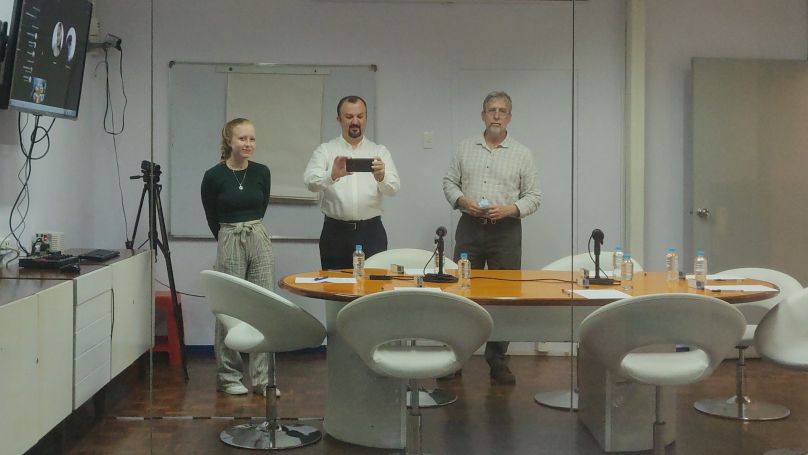
Polarization in Ecuador Highlights Risks for U.S. Democracy
"The basic rules of the electoral process are no longer mutually recognized,” says Kenneth Roberts, based on research at the Ecuador Global Hub.
Additional Information
America and China Don’t Need to Knock Each Other Out to Win

Jessica Chen Weiss, EAP
Competition and conflict between the United States and China have continued to intensify, writes Jessica Chen Weiss, professor of government and public policy, in New York Times commentary.
Additional Information
Role of African Union Scrutinized in Ethiopia, Tigray Peace Talks

Oumar Ba, Global Public Voices and IAD
Oumar Ba, assistant professor of government, says "the war in the AU’s host state of Ethiopia shows that, despite its broad mandate and the African Peace and Security Architecture, it is still struggling to become an effective organization with a meaningful imprint on conflict resolutions in the continent."
Additional Information
Food Shock: Crop-battering Disasters Highlight Climate Threat

Rachel Bezner Kerr, Einaudi
Rachel Bezner Kerr, professor of global development and a lead author of the UN's landmark IPCC report, says, “It does feel like our report is being lived out in real time.”