
Institute for African Development
No, Rolling Back These Environmental Rules Won't Lower Your Grocery Bill

Chris Barrett, IAD/SEAP
Chris Barrett, a Cornell University economist, provides economic analysis disputing claims that rolling back HFC regulations will lower grocery prices.
Additional Information
Cornellians Accept Fulbright U.S. Awards
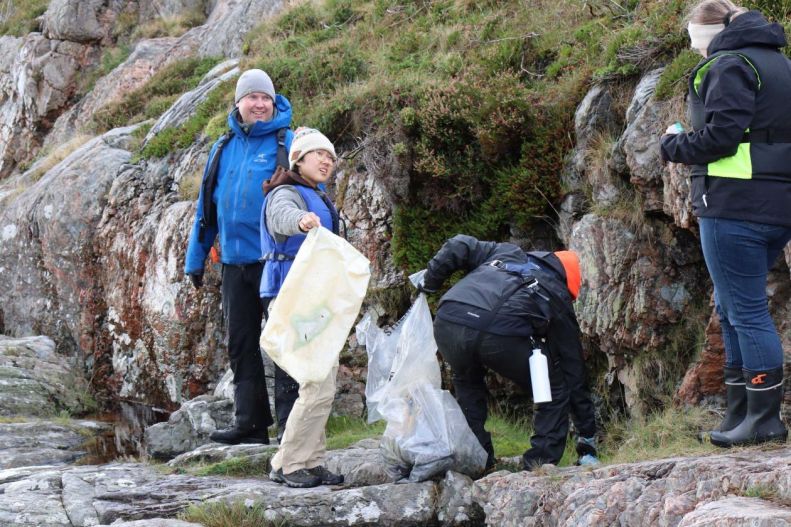
18 Awardees to Research, Study, Teach
A new group of Cornellians has accepted Fulbright U.S. Student Program awards. Einaudi supported them through the application process.
Each year, Fulbrighters conduct research, study and teach English in countries around the globe. Cornell University is a Fulbright Top Producing Institution and has sent over 600 students across the globe as part of the Fulbright U.S. Student Program since the 1940s.
The Fulbright program is the U.S. government's flagship international educational exchange program. The Mario Einaudi Center for International Studies administers the Fulbright program at Cornell, providing all the resources students and alumni need to apply for Fulbright funding for international experiences.
Meet the Fulbrighters
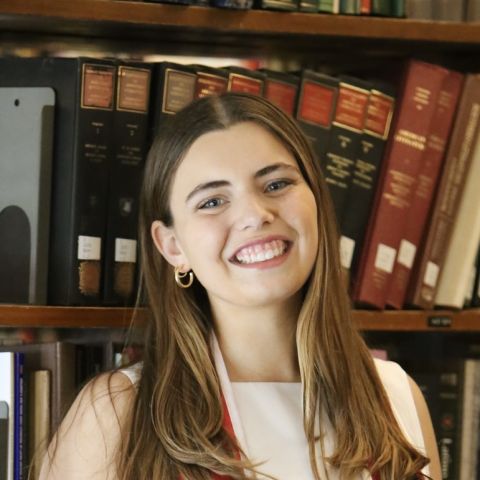
Mia Battistella ’26
Argentina
English Teaching Assistant
“While in Argentina I want to engage with community members by organizing dance classes that feature both traditionally American and Argentine styles, bringing people together through shared creativity and building opportunities for intercultural exchange.”
Matthew Cabiles ’24
Latvia
English Teaching Assistant
“My future in international law starts with a foundation in teaching, and this grant is the first step in my path toward serving at the intersection of the U.S. and global communities.”
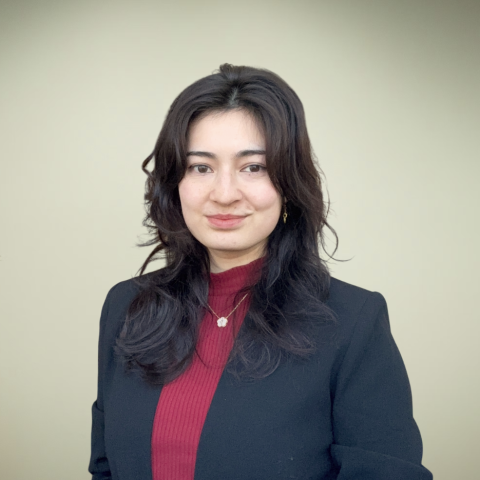
Alanna Cooney ’26
Taiwan
English Teaching Assistant
“My goal is to continue deepening my engagement with the world and contribute to fostering stable U.S.-Asia relations. Upon my return, I want to help others see the value of international exchange and encourage more people to explore opportunities abroad in Asia.”
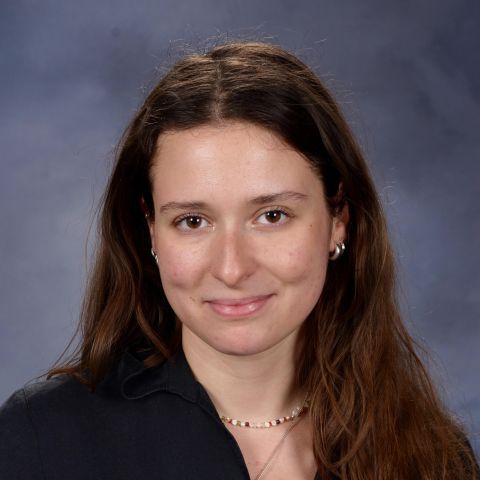
Nina Davis ’26
Portugal
English Teaching Assistant
“Through investigation I hope to use the cultural and ambassadorial skills from the Fulbright program to enhance my writing and interviewing processes. In my writing and academic career, I will likewise incorporate my experience in Portugal as a student-teacher with an emphasis on the importance of cultural exchange.”

Bryce Demopoulos ’23, MD ’28
Uganda, Fulbright Fogarty Fellowship in Public Health
Research: Expanding Orthopedic Trauma Surveillance in Uganda: Care-Seeking Paths and Injury Patterns
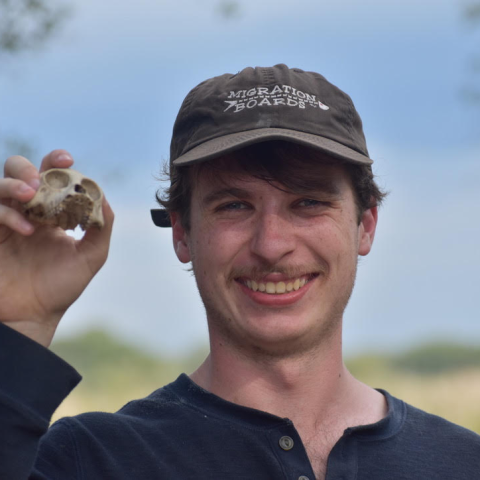
William “Gus” Dupin ’26
Indonesia
Research: Developing Acoustic Approaches for Non-invasive Health Monitoring of Wild Orangutans
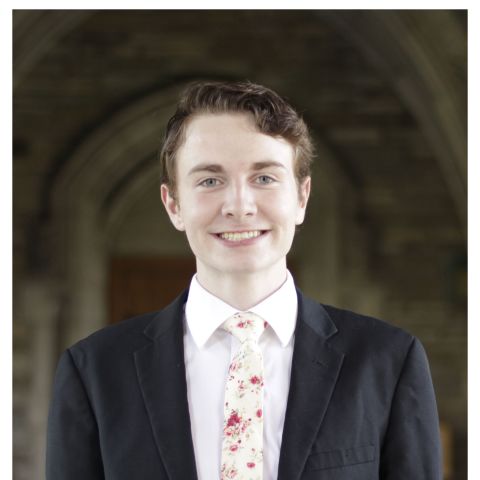
Hyrum Edwards ’25
Turkey
Master of International Relations: Religion and Secularism in Turkey
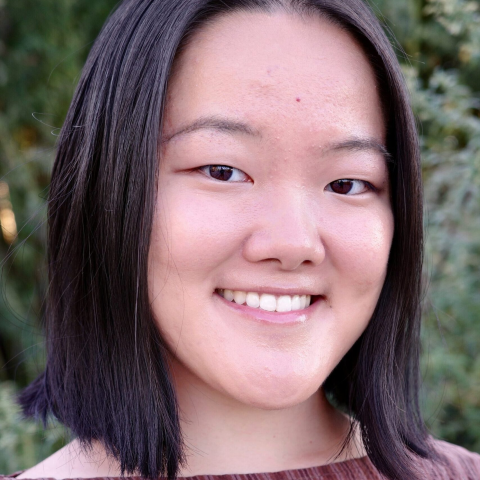
Annie Fu ’20
Study in Taiwan
Masters in Creative Industries Design
"As an educator at universities and arts organizations in New York, I will integrate the case studies from my Fulbright research into my journalism design curricula and my practice as a teaching artist."
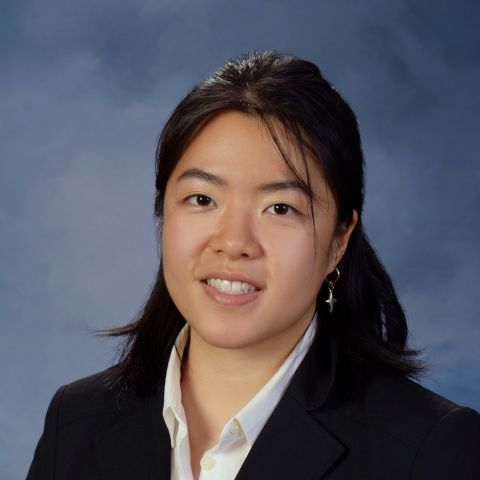
Amanda Huang ’26
Germany
Research: Multimodal Optical Imaging for Intraoperative Tumor Diagnosis and Ablation
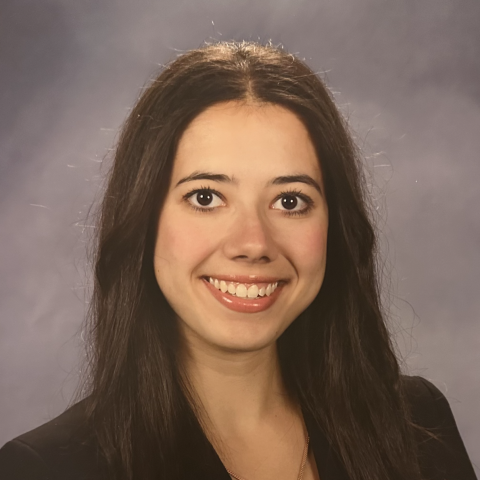
Madeleine Kapsalis ’26
Greece
English Teaching Assistant
“Teaching students abroad will help me strengthen my ability to communicate across cultural differences, which will eventually carry over to my skills in legal practice. Just as there is established trust and vulnerability between the lawyer and the client, this is the kind of relationship built on mutual respect and understanding that I hope to share with each of my students in Greece.”
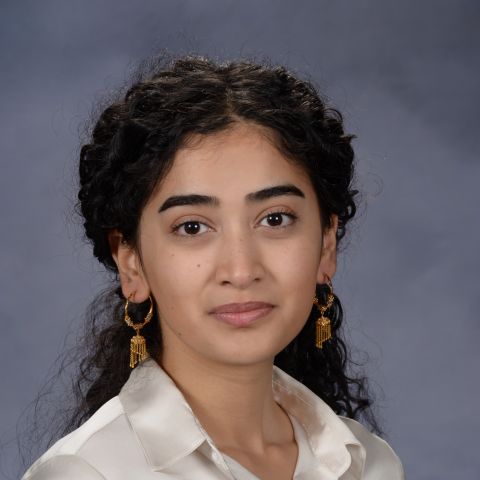
Arushi Kende ’26
India
Research: The Cultivation of Altruistic Cultures: Seva as a Model for Regenerative Altruism
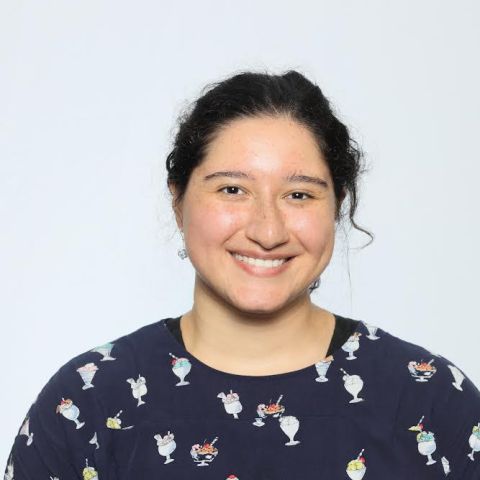
Sarah Langleben ’24
Taiwan
English Teaching Assistant
“Fulbright will enable me to better prepare for founding a company that uses data science to make skincare more accessible. [After the program], I’ll work as an esthetician, and I can speak to clients, peers, and estheticians-in-training about my experience, and the value of cultural exchange in our field.”
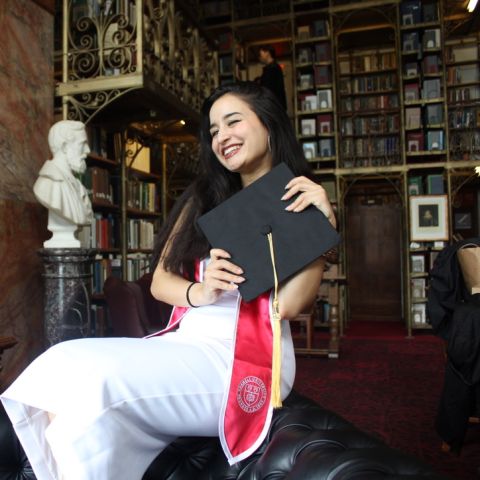
Serena Moscarella ’25
Peru
English Teaching Assistant
“After completing my Fulbright grant, I plan to continue working in education across Latin America and the United States. I hope to design and lead programs that are participatory, locally driven, and that meaningfully impact students’ everyday lives.”
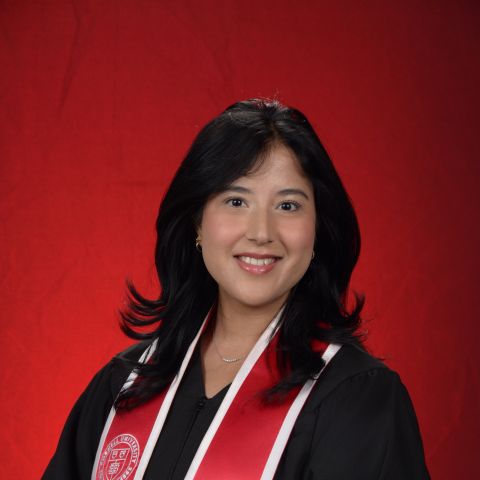
Reshma Niraula ’26
Nepal
Research: Does Bilingualism Delay Dementia? A Neurocognitive Study of Geriatric Patients in Nepal

Jake Rosen ’25
Spain
English Teaching Assistant
“I see much to be learned about U.S. social issues through Spain’s past and present dynamics, from censorship to migration. Nine immersive months will multiply the Spanish perspectives already at my core, for dissemination across all facets of my life."
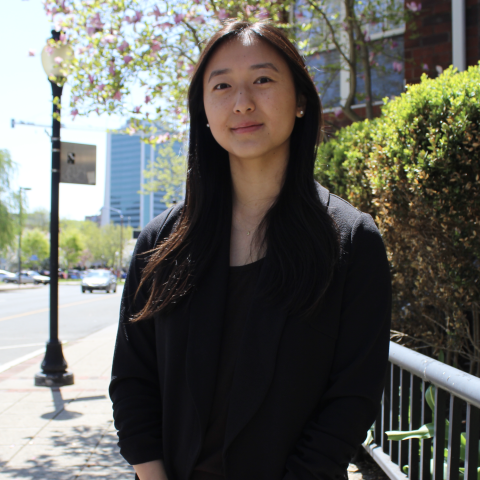
Stephanie Tan ’23
Taiwan
English Teaching Assistant
“After my grant, I will pursue a PhD in counseling or school psychology to further study how best to teach and support kids. Long-term, I hope to work in a school or private practice to help children manage their mental well-being.”

William Taylor ’26
Mongolia
English Teaching Assistant
“After completing my Fulbright grant, I will pursue a career in teaching high school history by studying for a master’s degree in classics. My teaching assistantship in Mongolia will help me supplement my western-centric educational background and develop a more well-rounded understanding of history and intercontinental relationships.”
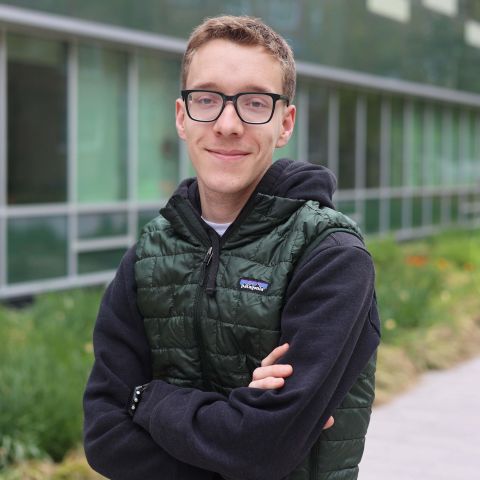
Jack Turner ’26
Japan
Research: The Shinkansen Effect: Rail Access and Rural Population Stability in Aging Japan
Additional Information
Has the South African Constitution Delivered on Its Promises?
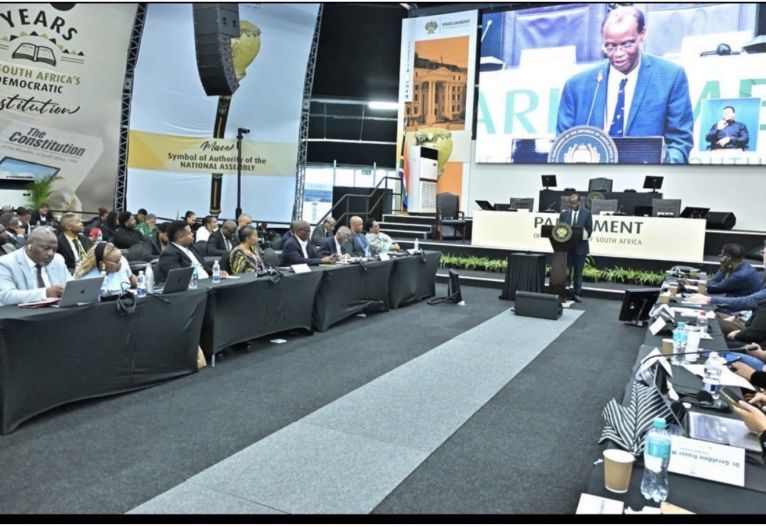
Muna Ndulo (IAD) Delivers Keynote to Parliament of the Republic of South Africa
Muna Ndulo, former director of the Institute for African Development and professor of law, delivered the keynote address at “Celebrating 30 Years of South Africa’s Constitution in a Rapidly Changing World”—a colloquium hosted by the Parliament of the Republic of South Africa in partnership with the University of South Africa (UNISA).
Held on May 22 at the Temporary National Assembly Chamber in Cape Town, the colloquium marked 30 years of the constitution of South Africa. The colloquium was part of a week-long commemorative program for Africa Day, positioning it as both a reflection on progress and a call to action for the continent’s future.
“No constitution implements itself. A constitution is a framework that must be underpinned by good governance and effective rules. Deepening democracy and constitutionalism will require continued promotion of structural changes to institutions that promote accountability, participation and transformation of governance in Africa.”
—Muna Ndulo
“Celebrating 30 Years of South Africa’s Constitution in a Rapidly Changing World” brought together attendees from diverse sectors, including: Former South African President Thabo Mbeki, Presiding Officers and Members of Parliament, University and academic representatives, diplomats, governance experts, leaders of civil society, and student activists.
Full video can be found here
Additional Information
Recycling Excreta as Fertilizer in Kenya Transforms ‘Disgusting’ to ‘Beautiful’
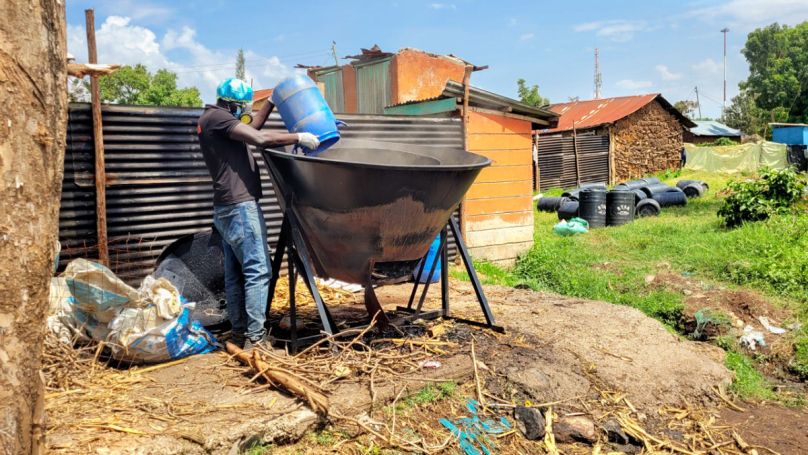
Rebecca Nelson, IAD/LACS
Rebecca Nelson, Cornell researchers, and Kenyan partners have developed a fertilizer made from human excreta. The product improves soil health and food production, while preventing pollution in informal settlements and the aquatic environment.
Additional Information
Grocery Prices Are About to Go the Way of Gas Prices—Up

Chris Barrett, IAD/SEAP
Chris Barrett, a Cornell University professor of economics and agriculture, provides expert analysis on the anticipated rise in U.S. food prices due to global supply disruptions.
Additional Information
IAD Graduate Fellows
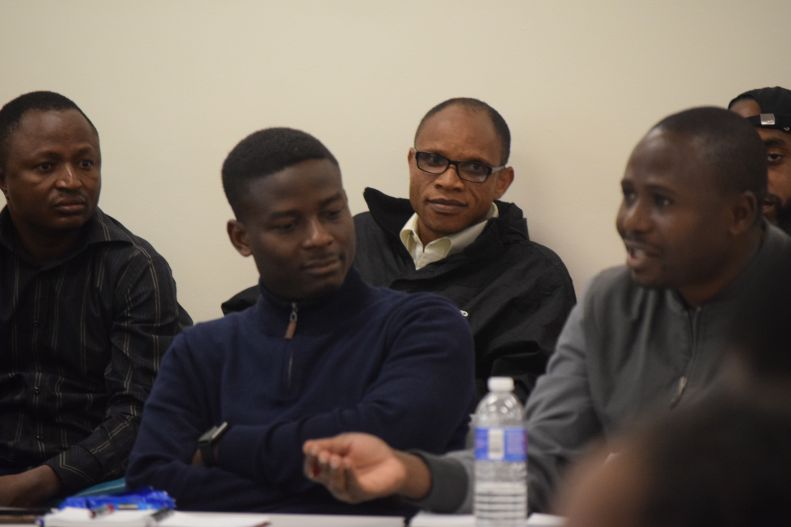
Institute for African Development Graduate Fellowship
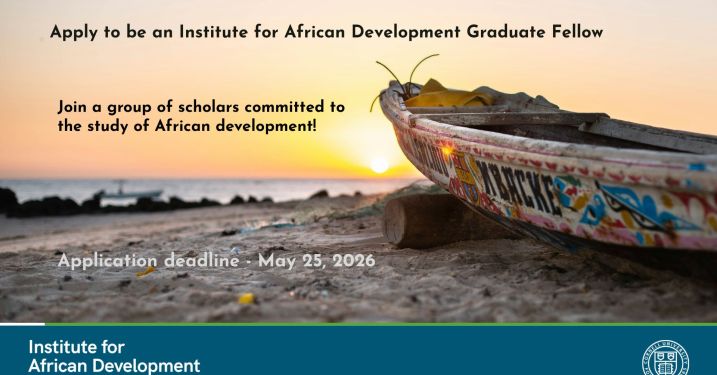
The Institute for African Development (IAD) Graduate Fellowship offers opportunities for engagement, leadership, and collaboration within a vibrant community dedicated to the study of African development. The Graduate Fellows play an important role in fostering interdisciplinary dialogue, organizing research symposia, and strengthening the intellectual community surrounding African studies at Cornell.
Graduate Fellows 2026-2027
Carmine Couloute - Ph.D. student in Cornell University's Department of Government, concentrating in International Relations and Political Theory. Her doctoral studies will ethnographically examine the enduring impact of French colonialism in Francophone West Africa. She intends to explore how telecommunications boycotts and protests over 'war taxes' facilitate practices of sovereignty and self-determination during political upheaval.
Lois Matthew - PhD Candidate in Comparative Politics, with minor fields in International Relations and Methods, in the Department of Government at Cornell University. Her research examines how citizens navigate political life under conditions of contested democracy and fractured statehood.
Edith Mehengu - PhD researcher specializing in crop improvement, seed systems, and sustainable agricultural development. Her work focuses on bridging science and policy to strengthen food security and build resilient farming systems in Sub-Saharan Africa.
Horace Owiti Onyango - PhD Student, Natural Resources and the Environment Section. His research focuses on small fish species include fishing and processing dynamics; socio-cultural benefits, nutrition and perceptions; market aspects such as supply, demand, prices and distribution channels; and the policy landscape.
Additional Information
Why Grocery Prices Are Rising Again on Long Island
Chris Barrett, IAD/SEAP
Chris Barrett, a Cornell University professor of agricultural economics, explains the rarity of food deflation and the long-term ratchet effect of food price inflation.
Additional Information
A Summer of Conservation in Zimbabwe
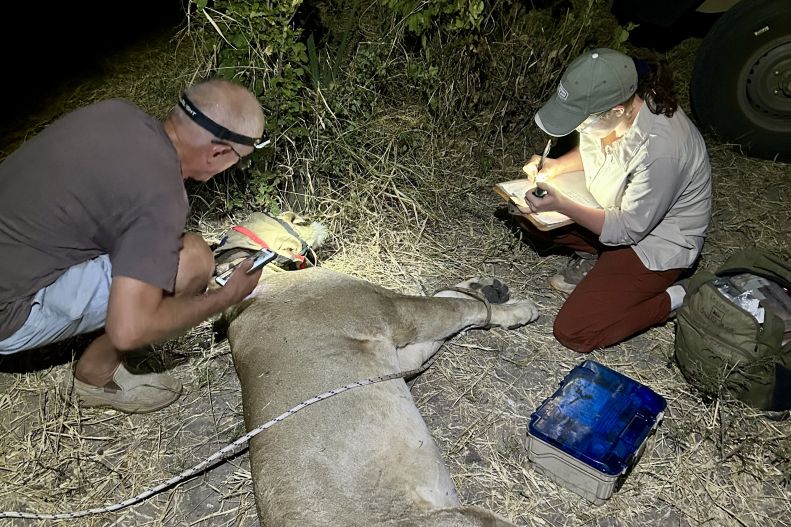
Brenna Lashbrook DVM '26, Travel Grant Recipient
“I began the month sitting in classrooms at Cornell University’s College of Veterinary Medicine (CVM)… and ended it out in the Zimbabwean bush, drawing blood from a sedated lion under a nighttime African sky,” writes Brenna Lashbrook DVM '26, travel grant recipient.
Additional Information
Rwanda Audio Lab EP Listening Party
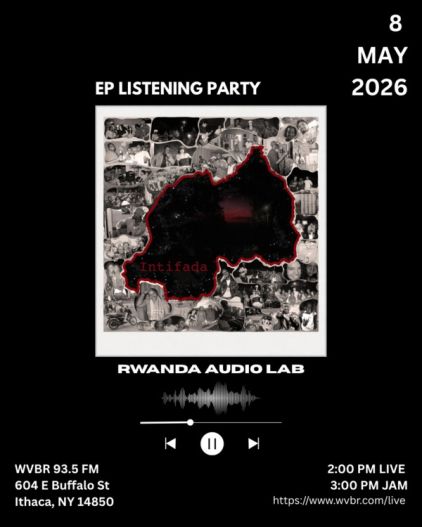
May 8, 2026
2:00 pm
Join us in listening to the musical EP created by our student in the Cornell Spring Break Program in Rwanda - African Popular Music. Our students worked with artists and professionals throughout the semester and onsite in Rwanda over spring break to make a multi-track EP and will be presenting the tracks live on WVBR 93.5 FM this Friday at 2pm ET along with a jam session to follow. We're excited to celebrate all their hard work and the wonderful intercultural collaborations with our partners in Rwanda.
Additional Information
Program
Institute for African Development