
Institute for European Studies
Esra Akcan
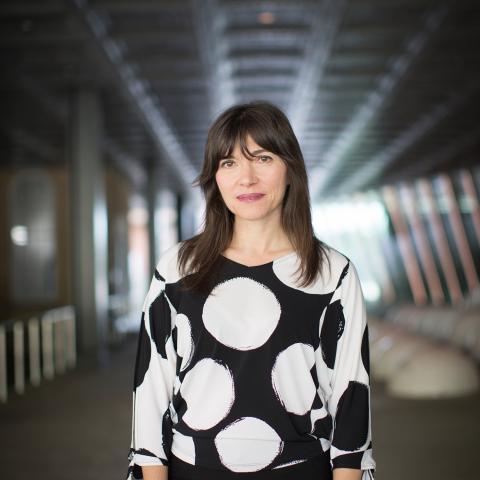
Professor, Architectural Theory
Esra Akcan is the Michael A. McCarthy Professor of Architectural Theory in the Department of Architecture. Her scholarly work on a geopolitically conscious global history of urbanism and architecture inspires her teaching. She is the author of Architecture in Translation: Germany, Turkey and the Modern House (Duke University Press, 2012); Turkey: Modern Architectures in History (with S.
Additional Information
Sept. 24: Private Military Companies (PMCs) and Peacekeeping
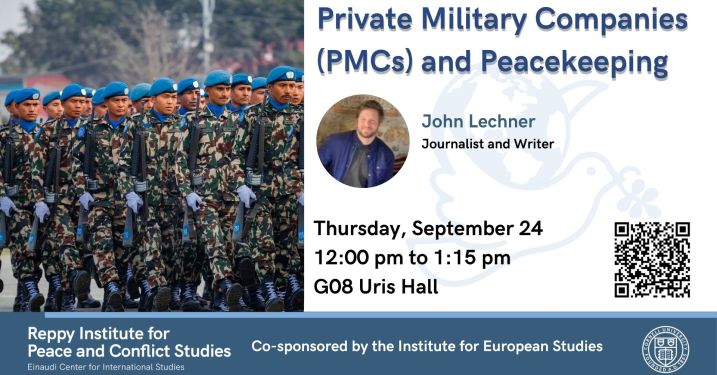
In the late 1990s, a new private military company (PMC) from South Africa, Executive Outcomes, intervened in Angola and Sierra Leone, where the company's operations ushered in a ceasefire.
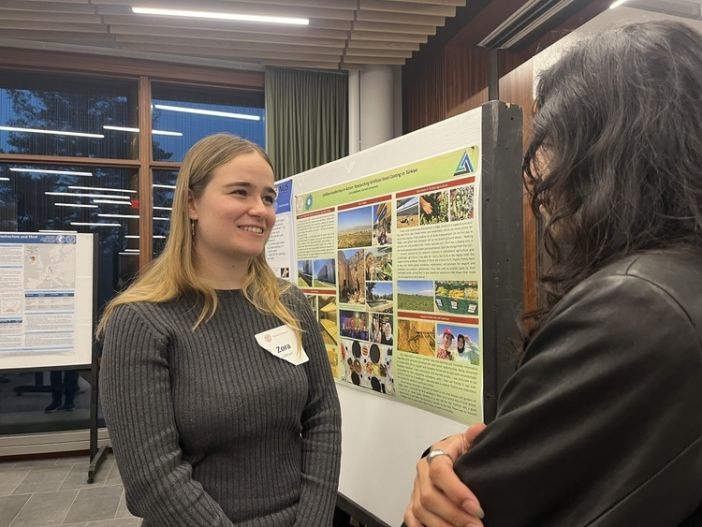
International Research Showcase
October 28, 2026
4:30 pm
Physical Sciences Building, Baker Portico & Atrium
Meet Cornell's Laidlaw scholars and Global Interns at our fall showcase. They'll present their international summer experiences, including hands-on research and leadership-in-action.
The International Research Showcase is hosted by the Einaudi Center for International Studies and cosponsored by the Office of Global Learning. Both are part of Global Cornell.
***
Applications for Global Internships and the Laidlaw Leadership and Research Program will open in the fall semester.
Global Internships give undergraduate students valuable international experience in fields spanning global development, climate and sustainability, international relations, communication, business, governance, and more. They are managed by the Einaudi Center for International Studies and Office of Global Learning, both part of Global Cornell.
The Laidlaw Undergraduate Leadership and Research Scholarship Program provides generous funding to first- and second-year undergraduates over two years as they pursue internationally focused research, engage in leadership training and a leadership-in-action experience, and join a global network of like-minded peers. The program is managed by the Einaudi Center.
Additional Information
Program
Einaudi Center for International Studies
Reppy Institute for Peace and Conflict Studies
East Asia Program
Southeast Asia Program
Latin American and Caribbean Studies
Institute for African Development
Institute for European Studies
South Asia Program
Migrations Program
Southwest Asia and North Africa Program
Faculty Research Seed Grants: Global Hubs Info Session

September 24, 2026
9:00 am
Drop in to learn more and ask questions about the 2027 Global Hubs Faculty Research Seed Grants that Global Cornell and partner universities are offering through the Global Hubs initiative.
Join us on Zoom at any time during the session.
Through these seed grants, Cornell faculty from across the university are invited to apply for research funds to explore and jumpstart collaborations with colleagues at Global Hubs partner institutions. Funded projects should lead to tangible outcomes, including the submission of at least one co-authored peer-reviewed publication and at least one application for external grant funding.
Successful proposals will receive up to $5,000 from Cornell, with the potential for matching funds from some Global Hubs partner universities.
Application deadline: October 14, 2026, 4:00 p.m. ET
Project duration: January 1–December 31, 2027
Learn more and apply for a Global Hubs joint seed grant.
Additional Information
Program
Einaudi Center for International Studies
Latin American and Caribbean Studies
Reppy Institute for Peace and Conflict Studies
East Asia Program
Southeast Asia Program
Institute for African Development
Institute for European Studies
South Asia Program
Migrations Program
Southwest Asia and North Africa Program
The Age of Gated Recessions

Kaushik Basu, IES/SAP
CRADLE cofounder Kaushik Basu (IES/SAP) assesses labor market divides and policy solutions in the U.S. and India in this op-ed.
Additional Information
Seattle Times Recommends ‘No’ on I-645, ‘millionaires Tax’

Cristobal Young, IES
Cristobal Young, a Cornell University professor, provides an estimate on the mobility of high earners in response to the state's millionaire income tax.
Additional Information
Information Session: Global Internships

October 15, 2026
4:30 pm
Uris Hall, G08
Go global in summer 2027! Global Internships give you valuable international work experience in fields spanning global development, climate and sustainability, international relations, communication, business, governance, and more.
Applications are open now.
Can’t attend? Contact programs@einaudi.cornell.edu.
***
The Mario Einaudi Center for International Studies hosts info sessions for graduate and for undergraduate students to learn more about funding opportunities, international travel, research, and internships. View the full calendar of fall semester sessions.
Additional Information
Program
Einaudi Center for International Studies
Reppy Institute for Peace and Conflict Studies
East Asia Program
Southeast Asia Program
Latin American and Caribbean Studies
Institute for African Development
Institute for European Studies
South Asia Program
Migrations Program
Southwest Asia and North Africa Program
India’s Economy, Heritage forensics, WWII Mobilization Examined

Kaushik Basu, IES/SAP; Lori Khatchadourian, IES; Adam T. Smith, IES
New books from Cornell professors explore India’s economy, heritage forensics in the South Caucasus region, and military mobilization involving troops and defense workers during World War II.
Additional Information
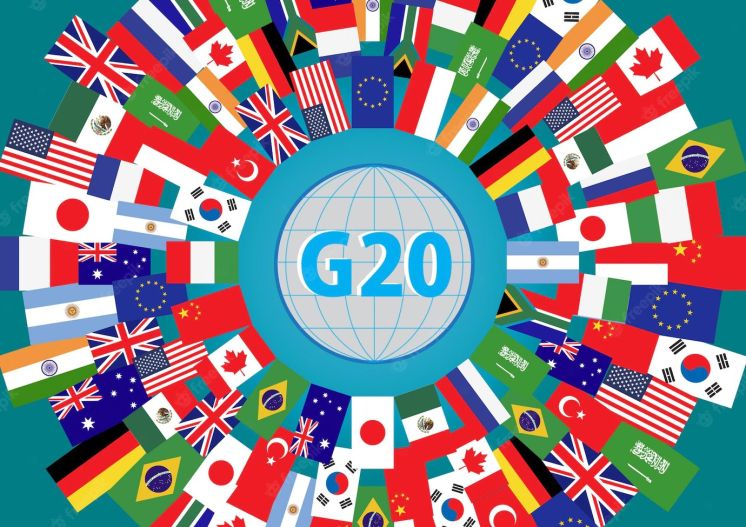
Bessent Huddles with the G20 to Rally Allies on Iran
Nicholas Mulder, IES
Nicholas Mulder, a Cornell historian specializing in sanctions, provided expert analysis on the risks of escalating financial sanctions and their potential impact on global economic stability.
Additional Information
Are WA Millionaires Really Leaving to Avoid Tax?

Cristobal Young, IES
Cristobal Young, a Cornell University sociologist, estimates Washington's new millionaires tax would result in a net loss of only 1.9% of the state's high earners.