
Latin American and Caribbean Studies
Kenneth Roberts
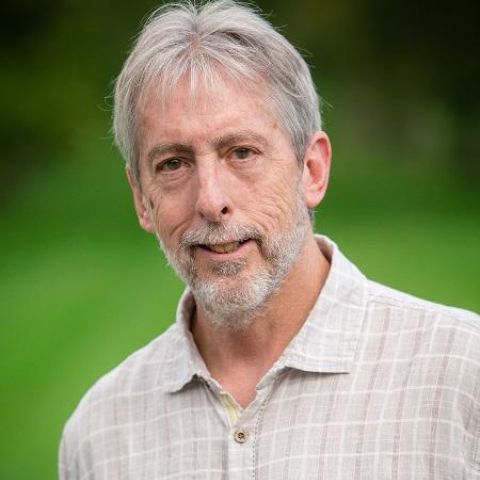
Director, Latin American and Caribbean Studies Program
Additional Information
Program
Role
- Faculty
- LACS Core Faculty
- LACS Director
- LACS Steering Committee
- Einaudi Faculty Leadership
Contact
Email: kr99@cornell.edu
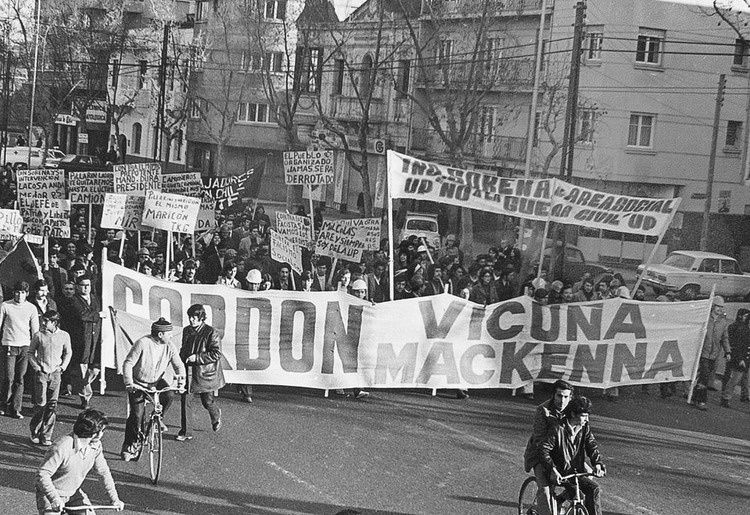
Resisting Authoritarianism: The Political Journey and Mysterious Deaths of Two Young Americans in Pinochet’s Chile.
November 17, 2026
12:20 pm
Uris Hall, G08
John Dinges was one of hundreds of young idealists who gathered in Chile to experience the revolution that began with the election of President Salvador Allende. Allende, though an avowed Marxist, promised real democracy and real social change. Many who came were political exiles from South American countries that had already become military dictatorships. It was a political journey full of hope; it ended in a military coup, encouraged by the United States, in which thousands were rounded up and executed. Two Norteamericanos—Charles Horman and Frank Teruggi—came to support Allende and ended up being secretly executed in the first days after the coup. Their murders inspired the Hollywood movie Missing. John Dinges’s book, Chile in Their Hearts, unravels the mystery of how and who they were killed, and takes you with him on his investigation. (Spoiler: the movie got much of it wrong.) His surprising findings shed light not only on an iconic period in Latin America but provide signposts for the current slide toward authoritarianism in the United States.
John Dinges is the Godfrey Lowell Cabot Professor of International Journalism Emeritus. He was a freelance journalist in Chile during the Allende government and for five years during the Pinochet dictatorship, writing for Time, The Washington Post and other media. His latest book, Chile in Their Hearts (University of California Press 2025, completes a trilogy on Chile during its most turbulent years, which includes Assassination on Embassy Row (on the terrorist killing in Washington DC of exile leader Orlando Letelier) and The Condor Years. He is also the author of Our Man in Panama, on the rise and fall of Gen. Manuel Noriega. He has founded or co-founded three news organizations in Chile: APSI: Actualidad Internacional (1976); CIPER (2008); and Archivos Chile (2011). He worked on the foreign desk of the Washington Post and later served as foreign editor and managing editor for NPR News.
Additional Information
Program
Einaudi Center for International Studies
Latin American and Caribbean Studies
Venezuela after the bombs: between imperialism, authoritarianism and mobilizations
October 20, 2026
12:20 pm
Uris Hall, G08
Since January 2026, Venezuela has become the model of the new “successful” imperialist intervention. Indeed, the Chavista authoritarian government has been reenforced by the support of the US intervention while transforming itself to accommodate this new situation. In this context, social mobilization has been visible in different forms: human rights, workers' unions, and divers leftwing organizations currently going through important transformations to build new forms of solidarity from below. The Venezuelan case allows us to put into perspective social sciences literature on authoritarian governance and democratic resilience, by taking a “mezzo” perspective on the relationship between policy and politics. This approach can help us to answer a new question: how to integrate the imperialistic/ neo-colonial concept tool to the study of policy and social movements' interactions and mutual transformations?
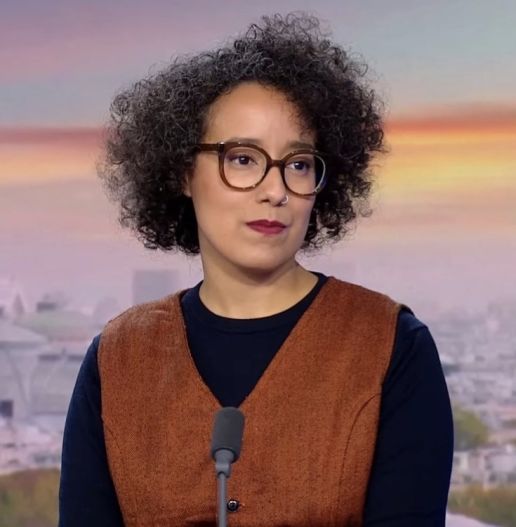
Yoletty Bracho has a PhD in Political Sociology from the Université Lumière Lyon 2 (France). She’s now an Impact + Postdoctoral Fellow at the Université de Montréal (Canada). She specializes on participatory public policy and leftwing activism in Venezuela. She is currently working on her manuscript Faire la Révolution dans l’État : participation et consolidation autoritaire au Venezuela, at the Éditions Terres de feu (Paris).
Additional Information
Program
Einaudi Center for International Studies
Latin American and Caribbean Studies
Information Session: International Minors
November 3, 2026
4:30 pm
Uris Hall, G08
Take your learning to the next level with minors from the Einaudi Center for International Studies and our programs. In this session, you'll learn about three international minors that can help you expand your global knowledge. View a full list of minors.
European Studies
Explore Europe’s past, present, and future and demonstrate a knowledge of European languages, culture, politics, and international relations.
International Relations
Study global governance, politics, economics, history, languages, and cultures across national boundaries.
Migration Studies
Learn about how human migration and migrant experiences shape our world on the move.
Can’t attend? Contact programs@einaudi.cornell.edu to learn more.
***
The Mario Einaudi Center for International Studies hosts info sessions for graduate and for undergraduate students to learn more about funding opportunities, international travel, research, and internships. View the full calendar of fall semester sessions.
Additional Information
Program
Einaudi Center for International Studies
Reppy Institute for Peace and Conflict Studies
East Asia Program
Southeast Asia Program
Latin American and Caribbean Studies
Institute for African Development
Institute for European Studies
South Asia Program
Migrations Program
The Subnational Politics of Deforestation in the Peruvian Amazon, 2002-2022
December 1, 2026
12:20 pm
Uris Hall, G08
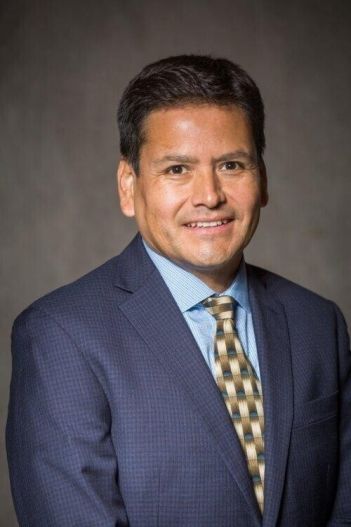
What are the local political factors influencing deforestation in the Peruvian Amazon? Global deforestation continues to pose a significant environmental challenge, with the Peruvian Amazon experiencing a loss of approximately 4% of its primary forest from 2002 to 2024. While policy responses often rely on collaboration among local politicians, elites, and communities, political factors remain understudied. We contribute to the literature by analyzing how local political competition and communal land titling influence subnational forest loss in Peru—a context where decentralization and Indigenous land titling differ significantly from cases like Brazil and Argentina. We draw on a panel dataset that spans 21 years (2002–2022), enabling us to analyze both cross-sectional and temporal variation in deforestation. Our results reveal that local elections—specifically their timing and level of contestation—are linked to increased forest loss. We interpret these findings in the context of local political dynamics that incentivize politicians to pursue particularistic benefits (such as land titles and infrastructure projects) that detract from conservation efforts.
Moises Arce is the Scott and Marjorie Cowen Chair in Latin American Social Sciences and Professor in the Department of Political Science at Tulane University. Professor Arce specializes in conflict processes, democratic governance and environmental politics. He is the author of Market Reform in Society (Penn State 2005), Resource Extraction and Protest in Peru (Pittsburgh 2014), Social Protest and Democracy (Calgary 2019), The Roots of Engagement (Oxford 2022), Popular Politics and Protest Event Analysis in Latin America (New Mexico 2024), and numerous journal articles and book chapters.
Additional Information
Program
Einaudi Center for International Studies
Latin American and Caribbean Studies
Language Resource Center Speaker Series - Designing Language Courses for Healthcare
November 10, 2026
4:00 pm
Stimson Hall, G25
"Designing Language Courses for Healthcare: Development, Implementation, and Lessons Learned (Spanish and Bangla)"
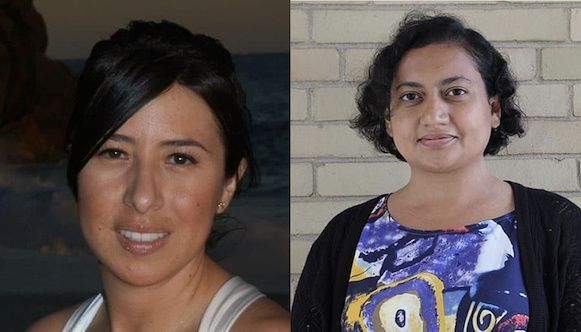
Brisa Teutli and Razima Selim Chowdhury
Teaching Professors, Cornell University
This joint presentation explores the development and implementation of two Languages for Specific Purposes courses at Cornell University: Spanish for the Medical and Health Professions and Bangla for Communication in Healthcare. Designed for students interested in healthcare and related professions, both courses move beyond specialized terminology to prepare learners for meaningful, culturally responsive communication with patients and communities.
The presenters will discuss approaches to curriculum and materials development, including needs and domain analysis, the identification of communicative and intercultural learning goals, and the use of authentic healthcare communication tasks. Drawing on clinical interactions, role-plays, and community-centered learning experiences, the courses emphasize communication practices grounded in empathy, compassion, respect, and attention to language access and health equity.
Reflecting on implementation in two distinct linguistic and curricular contexts, the presenters will share pedagogical decisions, challenges, student responses, and lessons learned. The session will offer practical insights for language educators interested in developing purpose-specific courses that connect language learning with students' academic and professional goals.
Bios:
Brisa Teutli is a Teaching Professor of Spanish Language in the Department of Romance Studies at Cornell University, where she has taught since 2005. She has extensive experience in language teaching, curriculum development, teacher training, and supervision of graduate Teaching Assistants. Her academic interests include second language acquisition, pragmatics, cultural and intercultural competence, curriculum design, and assessment. Her current work focuses particularly on Spanish for the Medical and Health Professions and on preparing students to communicate effectively, empathetically, and respectfully with Spanish-speaking patients in healthcare settings. She is also exploring the use of artificial intelligence and technology-enhanced language learning to create interactive medical interview simulations that help students develop linguistic, intercultural, and interpersonal communication skills.
Razima Selim Chowdhury is a Teaching Professor of Bangla in the Department of Asian Studies at Cornell University. Her work focuses on Bangla language pedagogy, heritage language education, Languages for Specific Purposes (LSP), healthcare communication, and proficiency-oriented instruction. She is particularly interested in developing innovative, culturally grounded curricula that connect language learning with social justice, community engagement, and authentic cultural resources while fostering deeper understanding of the histories, cultures, and contemporary realities of South Asia. Beyond Cornell, she has held leadership roles with the Wisconsin Intensive Summer Language Institutes (WISLI), where she has supported instructor training, curriculum development, assessment, and pedagogical innovation across a wide range of less commonly taught languages. She also contributes to the advancement of South Asian language education through her service on the Language Committee of the American Institute of Indian Studies (AIIS) and the American Institute of Bangladesh Studies (AIBS). Her current research interests include heritage language learner development, domain analysis, AI-assisted language learning, healthcare communication, and community-engaged language education.
This event will be held in person in G25 Stimson and will also be streamed live over Zoom (registration required). Join us at the LRC or on Zoom.
The event is free and open to the public.
Additional Information
Program
Einaudi Center for International Studies
Latin American and Caribbean Studies
South Asia Program
Southeast Asia Program
Southwest Asia and North Africa Program
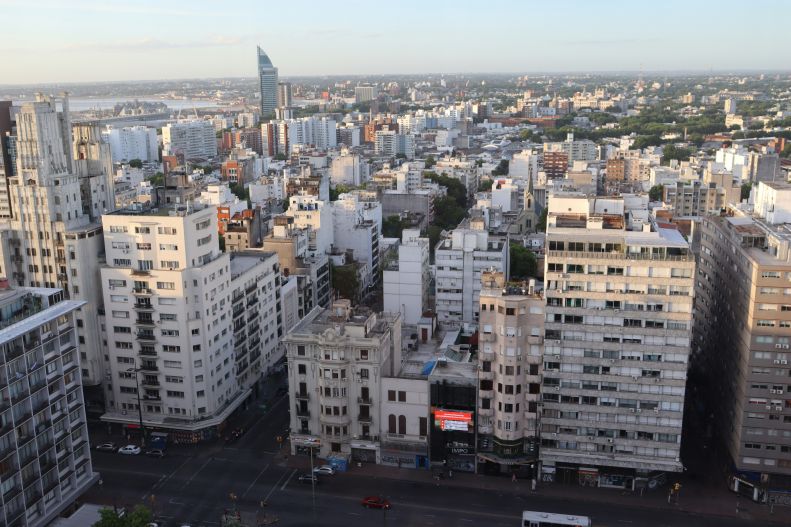
Tech-Utopian Movement Praxis Says It Has Found a Home in Uruguay
Raymond Craib, LACS
Raymond Craib, a Cornell University history professor, comments on the challenges tech utopian communities like Praxis face in their attempts to build new societies.
Additional Information
Winter-Spring Program in Ecuador Info Session
September 21, 2026
4:45 pm
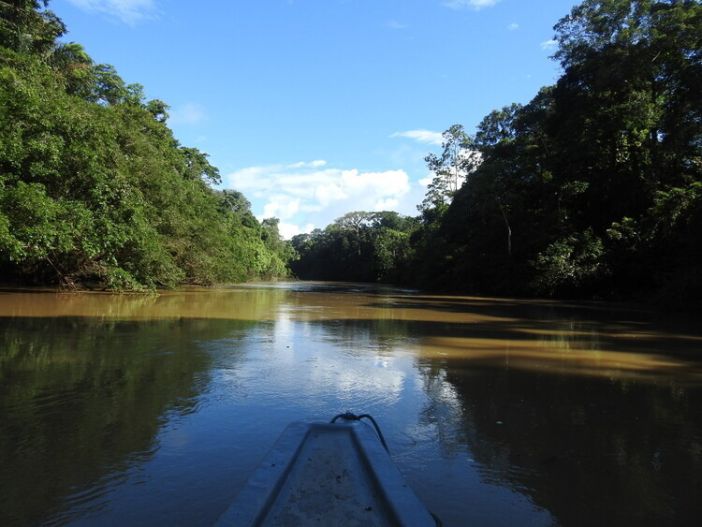
Find out more about our winter program exploring the Tiputini Biological Station in the Yasuni National Park in the Amazon in Ecuador. Tropical forests have a stunning array of diversity, and adaptations to strong species interactions, while species in alpine ecosystems have highly-specialized adaptations to challenging environmental conditions. To study this gradient, students will embark on a field course spanning multiple biogeographic regions in Ecuador, a region that boasts some the highest degrees of species diversity and endemism. This program will involve travel in January to the Amazon followed by synthesizing those field observations fduring the first seven weeks of spring upon return.
Additional Information
Program
Latin American and Caribbean Studies
Policizing, Institutionalized Impunity, and the fragmentation of Sovereignty in Modern Mexico
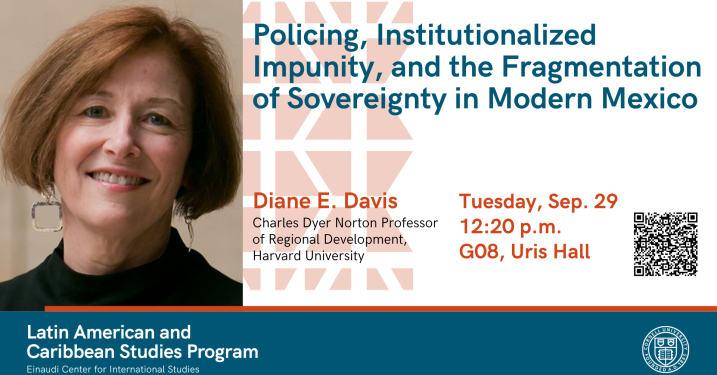
Tuesday, September 29, 2026 12:15pm Uris Hall G-08
Diane E. Davis is the Charles Dyer Norton Professor of Regional Development and former Chair of the Department of Urban Planning and Design at Harvard’s Graduate School of Design (GSD).
When Research Meets Climate Action
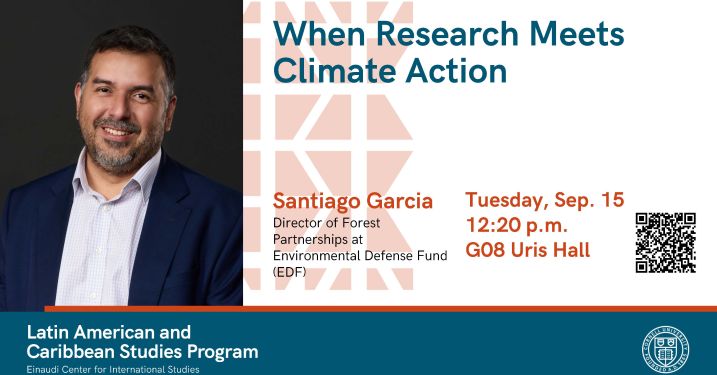
Tuesday, September 15, 12:20pm Uris Hall G-08 Santiago Garcia is Director of Forest Partnerships at Environmental Defense Fund (EDF)
Protecting forests is about much more than protecting trees. It is about people, culture, livelihoods, and understanding the local realities that shape how conservation actually works. Drawing from experiences in different countries, this session will explore what we can learn when research meets practice—and how universities, communities, governments, and conservation organizations can work together to turn knowledge into action. Rather than a traditional presentation, this will be an open and interactive conversation about what works, what does not, and where new opportunities for collaboration can emerge.