
Latin American and Caribbean Studies
Fenomenal, Rompeforma 1989-1996
April 10, 2025
5:00 pm
Film Forum, Schwartz Center
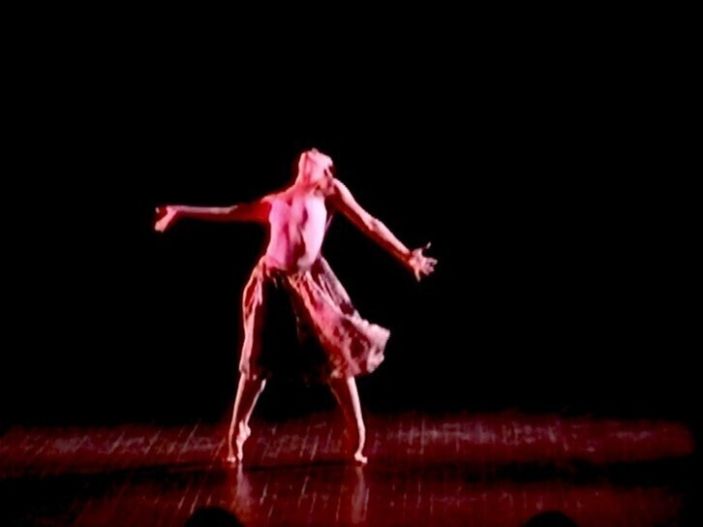
¡Fenomenal! Rompeforma 1989–1996 is a documentary about Rompeforma: Maratón de Baile, Performance & Visuales, an experimental dance and performance festival that took place in Puerto Rico from 1989 to 1996. Co-directed and produced by Merián Soto and Viveca Vázquez, edited by Laura Sofía Pérez, and with an original score by Eduardo Alegría, Fenomenal offers a deep dive into the artistic and creative contributions of Caribbean and Latinx artists to the American avant-garde. The documentary showcases the works of a generation of Caribbean and Latinx experimental dancers, performers, and curators whose influence has often been overlooked or forgotten by historians and scholars in the field.
Fenomenal features dozens of performances and interviews with many prominent leaders in the field, including those who have sadly passed. Among the notable figures featured in the documentary are Awilda Sterling Duprey and Coco Fusco (both highlighted in the 2022 Whitney Biennial), Antonio Martorell (recently awarded the National Medal of the Arts), Pepón Osorio (whose solo exhibition is currently at the New Museum in NYC), Raphael Montañez (founder of El Museo del Barrio in NYC), David Zambrano (celebrated dancer, master teacher, and director of TicTac Art Centre in Brussels), and renowned theater artists Carmelita Tropicana and Guillermo Gómez Peña. The documentary also features the work of Nuyorican poets Sandra María Esteves, Pedro Pietri, and Miguel Algarín, among many others.
Join Merián Soto and Viveca Vázquez after the screening for a Q&A.
About the Artists
Merián Soto, a Puerto Rican dancer, choreographer, video artist, and filmmaker, is the creator of Branch Dancing and Modal Practice, two innovative aesthetic-somatic dance methodologies. Her work explores and reflects on Latinx heritage, history, and culture, while addressing the ongoing legacy of colonialism. Soto’s artistic practice also includes experiments with Salsa and the Branch Dance Series, which encompasses a diverse range of performances—on stage, in galleries, in nature, as well as through video installations and year-long seasonal projects.
Soto has received numerous prestigious awards, including a BESSIE Award (2000), the Greater Philadelphia Dance and Physical Theater Award “ROCKY” (2008), a Pew Fellowship in the Arts (2015), and the United States Artists Doris Duke Fellowship in Dance (2019). She currently resides in Philadelphia, Pennsylvania, where she is a Professor of Dance and Curator of the Reflection/Response Choreographic Commission at Temple University’s Boyer College of Music and Dance. Her current projects include La Escuelita Fenomenal (with Viveca Vázquez), ongoing collaborations with Eiko Otake and Silvana Cardell, and Legacy Unboxed, an archival and exhibition project with Liz Lerman, Jawolle Zollar, Joanna Haigood, and Eiko Otake.
Viveca Vázquez is a leading figure in experimental dance and performance in Puerto Rico. A full professor at the University of Puerto Rico, she teaches movement in the Theater Department and classical studies in the School of General Studies. Vázquez is also a 2022 United States Artists Mellon Fellow, and has received fellowships from the National Endowment for the Arts and the Instituto de Cultura Puertorriqueña. In 2013, the Museo de Arte Contemporáneo de Puerto Rico (MAC) presented a retrospective of her work, CONDUCTA Coreografía del Error [CONDUCT Choreography of Error], marking the first time a museum in Puerto Rico celebrated the work of a movement artist on such a significant scale. Her performances have been presented in experimental venues in New York, Boston, Philadelphia, Los Angeles, Venezuela, Mexico, Argentina, Portugal, Ecuador, and Brussels. In 2023, she co-produced and co-directed Fenomenal, Rompeforma 1989–1996, a documentary film with Merián Soto.
Events co-sponsored by the Cornell Council for the Arts, Department of Performing & Media Arts, Latin American and Caribbean Studies, Latina/o Studies Program, Department of Art History, American Studies Program, Department of Literatures in English, Department of Comparative Literature, and the Feminist, Gender & Sexuality Studies Program.
Additional Information
Program
Latin American and Caribbean Studies
Movement and Creation Workshop with Merián Soto
April 9, 2025
7:30 pm
Schwartz Center, Room 320
Join the "Body and Tech" and "Dance Compositions" course for a movement and creation workshop with Merián Soto.
Merián Soto, a Puerto Rican dancer, choreographer, video artist, and filmmaker, is the creator of Branch Dancing and Modal Practice, two innovative aesthetic-somatic dance methodologies. Her work explores and reflects on Latinx heritage, history, and culture, while addressing the ongoing legacy of colonialism. Soto’s artistic practice also includes experiments with Salsa and the Branch Dance Series, which encompasses a diverse range of performances—on stage, in galleries, in nature, as well as through video installations and year-long seasonal projects.
Soto has received numerous prestigious awards, including a BESSIE Award (2000), the Greater Philadelphia Dance and Physical Theater Award “ROCKY” (2008), a Pew Fellowship in the Arts (2015), and the United States Artists Doris Duke Fellowship in Dance (2019). She currently resides in Philadelphia, Pennsylvania, where she is a Professor of Dance and Curator of the Reflection/Response Choreographic Commission at Temple University’s Boyer College of Music and Dance. Her current projects include La Escuelita Fenomenal (with Viveca Vázquez), ongoing collaborations with Eiko Otake and Silvana Cardell, and Legacy Unboxed, an archival and exhibition project with Liz Lerman, Jawolle Zollar, Joanna Haigood, and Eiko Otake.
Film Screening: "¡Fenomenal! Rompeforma 1989–1996"
Followed by Q&A with the directors Merián Soto and Viveca Vázquez
Thursday, April 10 at 5:00pm
Film Forum, Schwartz Center
Events co-sponsored by the Cornell Council for the Arts, Department of Performing & Media Arts, Latin American and Caribbean Studies, Latina/o Studies Program, Department of Art History, American Studies Program, Department of Literatures in English, Department of Comparative Literature, and the Feminist, Gender & Sexuality Studies Program.
Additional Information
Program
Latin American and Caribbean Studies
Book Presentation: ÁREA PROTEGIDA by Edmundo Paz Soldán (In Spanish)
February 4, 2025
4:45 pm
Uris G08, Uris G08
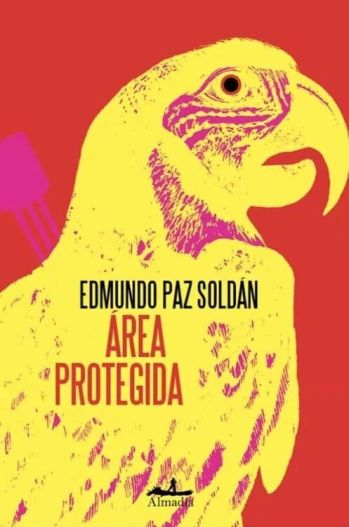
In this Spanish-language presentation, writer and Romance Studies Professor Edmundo Paz Soldán will present his recent novel, Área protegida (2024, Editorial Almadía) in dialog with Paulo Lorca Fuentealba (Fellow, Society of the Humanities).
From the Publisher:
En esta novela de Edmundo Paz Soldán el fin del mundo es un hecho. Los personajes viven sabiendo que los días de la Tierra están contados, apenas distinguen las diferencias entre los cuerpos de carne y hueso y los que son producto de los hologramas. Pero siguen, extrañamente, teniendo esperanza en algo que está más allá de la vida. Novela futurista y a la vez contemporánea, ciencia ficción compuesta en nuestro mundo sin límites —donde todas las facetas de la vida están mediadas por la tecnología—, lo estremecedor y lo fecundo, lo atractivo y lo temible de este texto es su imaginería y su proximidad con nuestro tiempo. Área protegida es una zona de interés de los privilegiados invadida por quienes todavía creen, no ya en una vida para las generaciones futuras, sino en un final alejado del caos. ¿Cómo serán los últimos días de la Tierra? ¿En qué o en quién vamos a creer cuando sea evidente que ya no hay solución? ¿Si nuestro lenguaje, nuestras ideas y nuestra historia permanecen en las máquinas y ellas sí aguantan los efectos del cambio climático, podríamos decir que sobrevivirá alguna parte de lo humano? La Comunidad, un grupo de personas que cree en la vida extraterrestre y en la solución de la crisis climática a través de la espiritualidad (meditando, interpretando los sucesos por medio de los astros, ayunando o volviéndose veganos) se enfrenta al gobierno y a las empresas poderosas de la amazonia. Lo que está en juego es el Área Protegida: una zona que antes servía para beneficiar a los más ricos y ahora es el hogar de quienes creen que el fin del mundo se aproxima. En esta novela de ciencia ficción, tecnología, ovnis y medio ambiente, Edmundo Paz Soldán crea un panorama de conflicto político en el que se asoman los problemas contemporáneos más graves, pero sobre todo las formas —no menos sorprendentes— que tenemos de enfrentarlos.
On the author:
B.A. in Political Science, University of Alabama-Huntsville (1991); M.A. in Hispanic Languages and Literatures, UC-Berkeley (1993); Ph.D. in Hispanic Languages and Literatures, UC-Berkeley (1997). Winner of the Bolivian National Book Award (2003), and the Juan Rulfo Short Story Award (1997). He has published Alcides Arguedas y la narrativa de la nación enferma (2003), and is the coeditor, with Gustavo Faverón, of the volume of critical essays Bolaño salvaje (2008), and, with Alberto Fuguet, of the anthology of short stories Se habla español: Voces latinas en U.S.A. (2000). He teaches Modern and Contemporary Spanish-American Literature, Andean Literature, Narrative and Mass Media, Speculative Fiction, and Creative Writing. He is the author of fourteen novels (among them Área protegida, La mirada de las plantas, Los días de la peste and Norte), and six books of short stories (among them La vía del futuro, Las visiones, and Billie Ruth). His work has been translated to twelve languages.
Co-sponsored by the Department of Romance Studies.
Additional Information
Program
Latin American and Caribbean Studies
Information Session: Latin American Studies Undergraduate Minor
January 28, 2025
5:00 pm
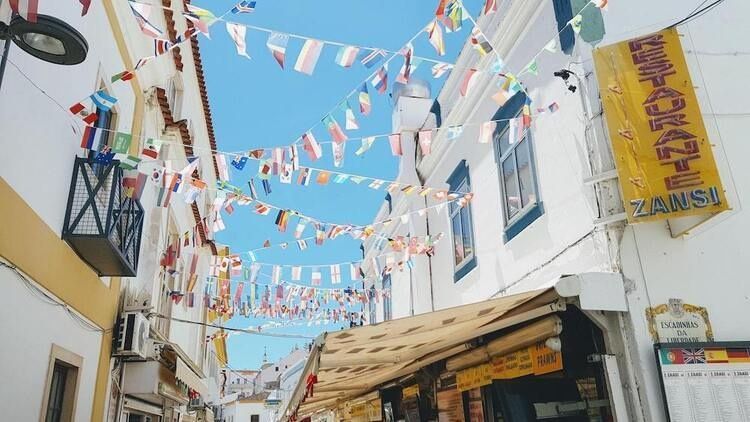
The undergraduate minor in Latin American Studies spans across disciplines and allows you to explore the history, culture, government, politics, economy and languages of Latin America and the Caribbean. Qualifying courses can be found in many of the colleges.
Register here. Can’t attend? Contact lacs@cornell.edu.
Additional Information
Program
Einaudi Center for International Studies
East Asia Program
Southeast Asia Program
Latin American and Caribbean Studies
Institute for African Development
Institute for European Studies
Migrations Program
Information Session: Fulbright U.S. Student Program for Undergraduates

February 24, 2025
4:45 pm
The Fulbright U.S. Student Program supports U.S. citizens to study, conduct research in any field, or teach English in more than 150 countries. Students who wish to begin the program immediately after graduation are encouraged to start the process in their junior year. Recent graduates are welcome to apply through Cornell.
The Fulbright program at Cornell is administered by the Einaudi Center for International studies. Applicants are supported through all stages of the application and are encouraged to start early by contacting fulbright@einaudi.cornell.edu.
Register here. Can't attend? Contact fulbright@einaudi.cornell.edu.
Additional Information
Program
Einaudi Center for International Studies
Reppy Institute for Peace and Conflict Studies
East Asia Program
Southeast Asia Program
Latin American and Caribbean Studies
Institute for African Development
Institute for European Studies
South Asia Program
Migrations Program
Information Session: Global PhD Research Awards and Dissertation Proposal Development Program

February 20, 2025
5:00 pm
The Amit Bhatia ’01 Global PhD Research Awards fund international fieldwork to help Cornell students complete their dissertations. Through a generous gift from Amit Bhatia, this funding opportunity annually supports at least six PhD students who have passed the A exam. Recipients hold the title of Amit Bhatia ’01 Global PhD Research Scholars. All disciplines and research topics are welcome. The award provides $10,000 to be used by the end of the sixth PhD year for international travel, living expenses, and research expenses. Applications are due March 7, 2025.
The Einaudi Dissertation Proposal Development Program supports 12 students over the course of a year to participate in seminars, workshops, and mentoring sessions and receive up to $5,000 for summer research. Applicants’ research projects must focus on global issues, but the proposed research setting may be international or domestic. In addition to six weeks of summer research, the program includes community-building and mentoring events. Applications are due by March 2, 2025.
Register here. Can't attend? Contact programs@einaudi.cornell.edu.
Additional Information
Program
Einaudi Center for International Studies
Reppy Institute for Peace and Conflict Studies
East Asia Program
Southeast Asia Program
Latin American and Caribbean Studies
Institute for African Development
Institute for European Studies
South Asia Program
Migrations Program
Language Resource Center Speaker Series - Sara Lee - Dyslexia, ADHD, Autism: Encouraging and Supporting All L2 Learners
April 17, 2025
4:30 pm
Stimson Hall, G25
"Dyslexia, ADHD, Autism: Encouraging and Supporting All L2 Learners"
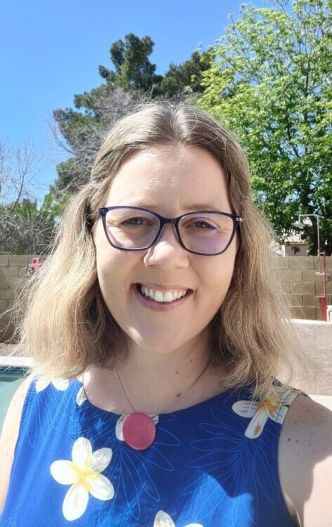
Sara Lee
Associate Teaching Professor of German, Arizona State University
Up to 20% of people in the U.S. have dyslexia, which means that about 4-6 students in every classroom struggle with reading and writing, spelling, and executive functions. How does this manifest in second language acquisition?
This workshop will introduce dyslexia from a medical and educational perspective and explain how it presents in second language learning. We will conduct error analyses on writing samples to determine which errors are developmentally expected in language acquisition or could point toward auditory processing challenges or dyslexia.
In the second part of the workshop, we will focus on classroom methodology to support learners with dyslexia and consider how universal design can help address the heterogeneity in learner needs in general activities and assessments.
Bio: Sara Lee is an Associate Teaching Professor of German at Arizona State University. She is a certified K-12 teacher and dyslexia therapist. Sara combines her knowledge and experience to be a strong advocate for neurodiverse learners of world languages. Her current research is developing an error analysis and intervention to increase spelling proficiency for learners of German. As a German Educational Multiplier, she travels nationally and internationally to give workshops and presentations on how language educators can support their neurodiverse learners. Sara is the 2024 Southwest Conference on Language Teaching (SWCOLT) Teacher of the Year and a finalist for the 2025 ACTFL National Language Teacher of the Year.
This 90-minute workshop will be held in person in G25 Stimson and will also be streamed live over Zoom (registration required). Join us at the LRC or on Zoom.
The event is free and open to the public.
Co-sponsored by the German Educational Multipliers Network, established by the American Association of Teachers of German and the Goethe-Institut.
Additional Information
Program
Einaudi Center for International Studies
Latin American and Caribbean Studies
Language Resource Center Speaker Series - Gláucia Silva - Linguistic Perception and Production in Heritage Language
March 12, 2025
5:00 pm
Stimson Hall, G25
"Linguistic Perception and Production in Heritage Language"
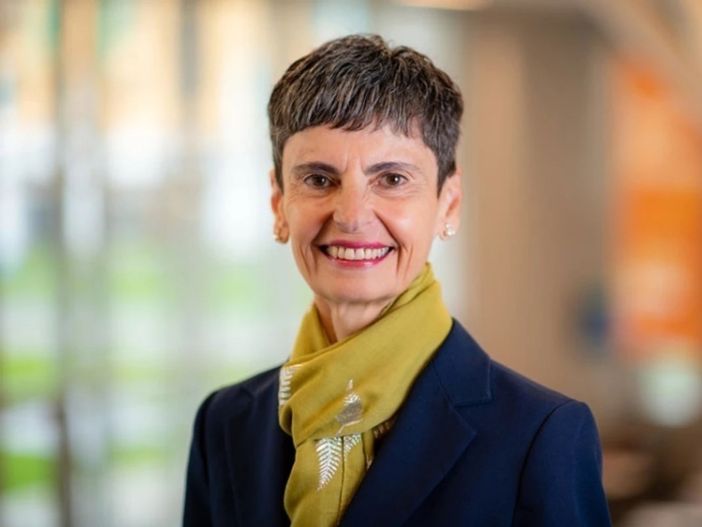
Gláucia Silva
Professor of Portuguese, UMass Dartmouth
Heritage language (HL) speakers tend to assess their linguistic competence in binary terms, such as "good" and "bad," and to consider that they speak "slang" or a "broken" language (Byram et al., 2021). However, research on HL production does not confirm these perceptions: Rinke et al. (2024) show that structures that prove most challenging for HL bilinguals are also problematic for monolingual speakers. Furthermore, Torregrossa et al. (2023) indicate that age and formal instruction in the HL may lead to better performance in those challenging structures. Drawing on examples from Portuguese grammar, this talk discusses research on linguistic production in HL, including gender and verb tenses, as well as the perception of learners in relation to instruction and to their own abilities in the HL.
Bio: Gláucia Silva is a Professor in the Department of Portuguese at UMass Dartmouth. She specializes in heritage and foreign language learning, with a focus on Portuguese. Professor Silva has co-authored four Portuguese language textbooks and is the author of Word Order in Brazilian Portuguese (De Gruyter, 2001/2013). She has also published several scholarly articles and book chapters, both in English and in Portuguese. Her graduate advisees have investigated different aspects related to Portuguese language and linguistics, such as the roles of attitude and motivation in learning Portuguese, service encounters in Portuguese in Massachusetts, gay articulations of desire in Rio de Janeiro, the impact of anxiety on learning Portuguese, using songs in the foreign language classroom, task-based language teaching, and mother-child interactions in a bilingual family, among others.
This event will be held in person in G25 Stimson and will also be streamed live over Zoom (registration required). Join us at the LRC or on Zoom.
The event is free and open to the public.
Co-sponsored by the Language Resource Center, the Department of Romance Studies, and the Latin American and Caribbean Studies Program through its Undergraduate International Studies and Foreign Language (UISFL) grant from the U.S. Department of Education.
Additional Information
Program
Einaudi Center for International Studies
Latin American and Caribbean Studies
Language Resource Center Speaker Series - Kris Aric Knisely - Doing It (Gender) Justice: Reimagining Language Education Through Trans Knowledges
February 11, 2025
4:30 pm
Stimson Hall, G25
"Doing It (Gender) Justice: Reimagining Language Education Through Trans Knowledges"
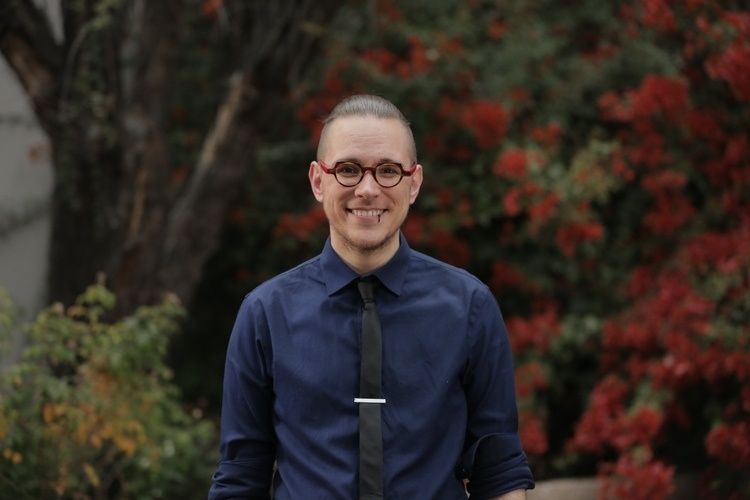
Kris Aric Knisely
Associate Professor of French and Intercultural Competence, University of Arizona
As people who teach, learn, and research language, the time for us to work toward forms of gender justice that honor and revel in the knowledges and linguistic practices of trans people has long since been here and it grows ever-more overdue in the ongoing wake of globalized and localized forms of anti-trans, anti-education, and other oppressive actions (Knisely, 2023; Knisely & Russell, 2024). If we are to move toward gender justice in language education, we need not only increasingly inclusionary pedagogies, materials, research, and languaging, but also to think beyond the confines of inclusionary discourses alone. When we unscript the cisheteronormativities and cislingualism that are engrained in much of our field, we open ourselves up to new ways of thinking about language-as-social-verb, learning as participation in languaging communities, and education as a site for gender justice, among other key concepts (e.g., trans translanguaging, undoing competence). In this session, we will engage with some of the burgeoning research into trans ways of doing and teaching language in order to reimagine what we do as language scholar-educators, deepen our understanding of what it means to work toward gender justice in our field, and, ultimately to “stand in the tensions of our own humanity, our own languaging and gendering, our own doing and undoing, and look through it for what might be our greater potentiality” (Knisely & Russell, 2024, p. 254). Together, we will ask: What will we do to work toward a world where language enriches the livability of all of our lives?
Bio: Dr. Kris Aric Knisely (Ph.D., French and Educational Studies, Emory University) is Associate Professor of French and Intercultural Competence as well as affiliated faculty in both SLAT and TSRC at the University of Arizona. Knisely’s research focuses on the interplay between the social, relational practices of doing language and doing gender, particularly as they relate to language education and to trans linguacultures. Dr. Knisely’s work has appeared in a variety of venues including Contemporary French Civilization, CFC Intersections, Critical Multilingualism Studies, Foreign Language Annals, The French Review, Gender and Language, and The Modern Language Journal, among others. Knisely is also co-editor (with Eric Russel, UC-Davis) of Redoing linguistic worlds: Unmaking gender binaries, remaking gender pluralities (Multilingual Matters).
This event will be held in person in G25 Stimson and will also be streamed live over Zoom (registration required). Join us at the LRC or on Zoom.
The event is free and open to the public.
Additional Information
Program
Einaudi Center for International Studies
Latin American and Caribbean Studies