
Latin American and Caribbean Studies
LASP Graduate Fellows AY 2021-2022
Call for Applications
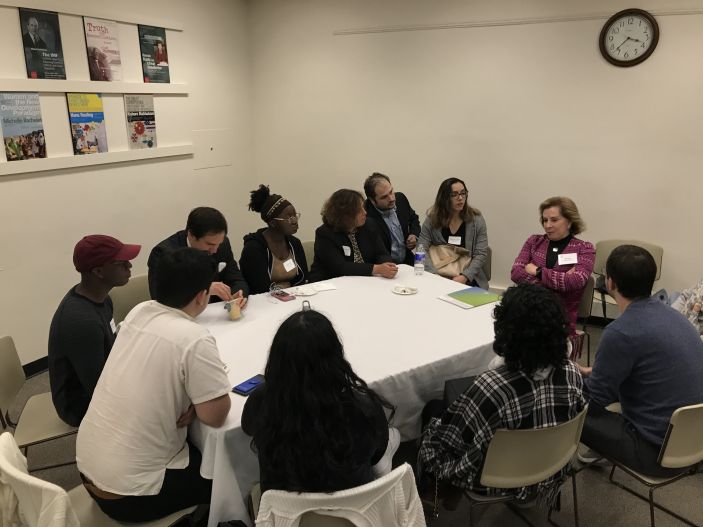
The Latin American Studies Program (LASP) is pleased to invite graduate students from across all disciplines to apply to become a LASP Graduate Fellow for AY 2021-2022. The Graduate Fellowships are competitive and provide an opportunity for a select number of graduate students to engage with a broad, interdisciplinary community dedicated to the study of Latin America and/or the Caribbean.
Graduate Fellows will be expected to actively participate in the Latin American Studies Program’s activities. Responsibilities include attending and shaping the seminar series—with an eye toward a number of themes around which the series might be structured—and organizing at least one event that promotes interactions between undergraduate and graduate students via Cornell’s Zoom platform (or if permitted by the university in FA21 & SP22, an in-person event on campus). Applicant Grad students should send LASP an attached 1) application (Word doc), 2) copy of a CV, 3) a letter of recommendation from the chair of your committee, and 4) a brief abstract of current research by email to Bill Phelan, LASP Program Manager, by the deadline of Friday, May 7th by 11:59pm to: lasp@cornell.edu subject line "Grad Fellow Applic."
Additional Information
Verdant Views: Global Climate Stories
April 22, 2021
3:00 pm
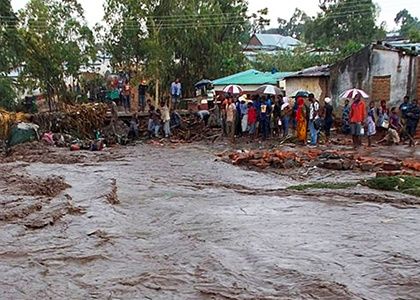
Our changing climate poses great challenges for humanity around the world: extreme weather events, sea level rise, flooding, drought, wildfires and more. How are countries in areas most affected by climate change responding to these and other challenges? In honor of Earth Day 2021, this special edition of Verdant Views will feature current Fellows in Cornell’s Hubert H. Humphrey Fellowship Program, sharing stories of the challenges and choices they face in their home countries, and actions being taken in response to this global crisis. Presented in partnership with the Hubert H. Humphrey Fellowship Program and the CALS Department of Global Development.
Participating Humphrey Fellows:
Husnain Afzal, Executive Engineer (Civil) at Pakistan Water & Power Development Authority (WAPDA)
Saukira Banda, Former Communication and Knowledge Management Officer for 'Pilot Program for Climate Resilience Project' in Environmental Affairs Department, Ministry of Forestry and Natural Resources, Malawi
Natalya Minchenko, Sustainable Development Goals advisor, UNDP/UNICEF/UNFPA project on 2030 Agenda, Minsk, Belarus
Alma Perez, Agricultural Production Manager, La Paz Department, Project ACS USAID at FINTRAC, Honduras
This live webinar is free but pre-registration is required. Please register through the "Register" button on this page, or the following link: https://cornell.zoom.us/webinar/register/WN_qPWPrfsYRHuT34O4o5rCDw
After registering, you will receive a confirmation email containing information about joining the webinar. The webinar will be recorded and available for viewing online after the live broadcast. Participants in the live presentation will have the opportunity to pose questions.
Verdant Views is a monthly webinar series hosted by Kevin Moss of Cornell Botanic Gardens. Each episode focuses on a different topic related to plants, gardens, conservation, sustainability, and the vital connections between plants and peoples around the world.
Earth Day is an international event held annually on April 22 to raise awareness and demonstrate support for environmental protection, with a major focus on climate action. First held on April 22, 1970, it now includes a wide range of events coordinated globally by EARTHDAY.ORG (formerly Earth Day Network).
Additional Information
Program
Einaudi Center for International Studies
Latin American and Caribbean Studies
Institute for African Development
Institute for European Studies
South Asia Program
Migration at the US-Mexico Border During the Biden Era with Journalist Alice Driver
May 3, 2021
4:30 pm
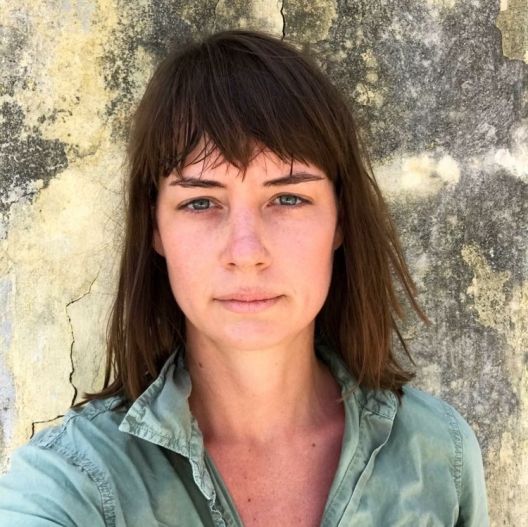
Journalist and translator Alice Driver is joining the Latin American Studies Program seminar series to share her work on migration, human rights, and gender equality.
Alice Driver is a writer and investigative journalist who covers immigration and labor rights. She is based in Mexico City, and she is the author of More or Less Dead (University of Arizona Press, 2015). Her journalism has been published by National Geographic, Time, CNN, and Oxford American. She has recently collaborated on migration projects with Chinese neorealist painter Liu Xiaodong, National Geographic photographer John Stanmeyer, and Noble laureates Jody Williams, Shirin Ebadi, Tawakkol Karman, and Rigoberta Menchú.
Currently based in Mexico City, Driver is the author of More or Less Dead: Feminicide, Haunting, and the Ethics of Representation in Mexico (University of Arizona 2015). She received a 2017 Images and Voices of Hope Restorative Narrative Fellowship and 2017 Foreign Policy Interrupted Fellowship and also participated in the Women's Media Center Progressive Women’s Voices 2017 media and leadership training program.
Driver has received first aid training for combat and wilderness wounds through Reporters Instructed in Saving Colleagues (RISC) and from the DART Center and Columbia Journalism School course on Reporting Safely in Crisis Zones. She is currently partnering with Longreads Originals to produce a series of articles on migration in Central America. Buzzfeed recently included her work in "8 Visual Stories That Will Challenge Your View of the World."
This Latin American Studies Program (LASP) event is co-sponsored by the Migrations initiative.
Additional Information
Program
Einaudi Center for International Studies
Latin American and Caribbean Studies
A Conversation on the Plantationocene

April 16, 2021
9:00 am
This virtual conference, sponsored by the Mario Einaudi Center for International Studies and Migrations: A Global Grand Challenge, brings together a diverse group of scholars, activists, and practitioners to discuss the role that plantations and plantation agriculture have played in shaping the nature, structure, and dynamics of the modern era.
Although plantations have long been the subject of study, the Plantationocene as a concept emerged only in the past few years to describe the role of racialized, large-scale plantation agriculture in establishing a world system that to this day lives with the legacy and continuation of slavery, forced migration, dispossession and mono-crop extractive agriculture intended for export production. The article below serves as a frame for the conversation:
Wolford, Wendy, 2021 “The Plantationocene: A Lusotropical Contribution to the Theory,” Annals of the American Association of Geographers, early view online.
Over two days of roundtable discussions (April 15-16), scholars and activists from a variety of disciplines of critical social theory and practice, including agrarian studies, political ecology, development studies, black geographies and feminist theory, will discuss the Plantationocene and to what extent this conceptional framework may be useful—not just for analytical purposes, but also for activism and practice.
Explore the schedule and presentersRegister nowThe conference is available in Portuguese through simultaneous interpretation on the same Zoom channel. All sessions will be recorded.
Moderator:
Wendy Wolford, Robert A. and Ruth E. Polson Professor, Department of Global Development, Cornell University
Panelists:
Gerard Aching, Professor of Africana and Romance Studies, Cornell UniversityYasmine Ahmed, Postdoctoral teaching fellow, The American University in CairoSarah Besky, Associate Professor of Industrial and Labor Relations, Cornell UniversityRachel Bezner-Kerr, Professor of Global Development, Cornell UniversityJun Borras, Professor of Agrarian Studies, Institute of Social Studies, Erasmus University, the HagueNatacha Bruna, PhD candidate, International Institute of Social Studies (ISS), Erasmus University, the Hague Judith Carney, Professor of Geography, University of California, Los AngelesSophie Chao, Postdoctoral Research Associate, University of SydneySharad Chari, Associate Professor of Geography, University of California, BerkeleyYoujin Chung, Assistant Professor of Energy and Resources Group and Environmental Science, Policy, and Management, University of California, BerkeleyAndrew Curley, Assistant Professor of Geography, University of ArizonaMary Jo Dudley, Director of the Cornell Farmworker Program, Cornell UniversityChristopher Dunn, Elizabeth Newman Wilds Executive Director of Cornell Botanic Gardens, Cornell UniversityDivya Dutta, Researcher, Oxfam America and Oxfam Great BritainJennifer Franco, Activist and Researcher at the Transnational Institute (TNI), the HagueShannon Gleeson, Professor of Labor Relations, Law, and History, Cornell UniversityJenny Goldstein, Assistant Professor of Global Development, Cornell UniversityEuclides Gonçalves, Director and Researcher, Kaleidoscopio, Research in Public Policy, MozambiqueCarla Gras, Researcher and Professor of Sociology, University of Buenos AiresJulie Guthman, Professor of Social Sciences, University of California, Santa CruzShalmali Guttal, Executive Director, Focus on the Global South, BangkokTania Murray Li, Professor of Anthropology, University of TorontoJuliet Lu, Postdoctoral Research Fellow, Cornell Atkinson Center for SustainabilityFouad Makki, Associate Professor of Global Development, Cornell UniversityPriscilla McCutcheon, Assistant Professor of Geography, University of KentuckyPhilip McMichael, Professor of Global Development, Cornell UniversityGregg Mitman, Vilas Research and William Coleman Professor of History of Science, Medical History, and Environmental Studies, University of Wisconsin, MadisonSharlene Mollett, Distinguished Professor in Feminist Cultural Geography, Nature and Society and Associate Professor of Geography, University of TorontoJoão Mosca, Director, Observatório do Meio Rural, Maputo Andrew Ofstehage, Postdoctoral Associate, Cornell UniversityKasia Paprocki, Assistant Professor of Geography and Environment, London School of Economics and Political ScienceDeniz Pelek, Postdoctoral Researcher in the MIGRADEMO Project, Universitat Autònoma de BarcelonaNancy Peluso, Professor of Society and Environment and Chair of the Center for Southeast Asian Studies, University of California, BerkeleyPrabhu Pingali, Professor of Applied Economics and Policy, Cornell UniversityRachel Beatty Riedl, John S. Knight Professor of International Studies and Director of the Einaudi Center, Cornell UniversityCaitlin Rosenthal, Associate Professor, History, University of California, BerkeleySergio Sauer, Professor in the Center for Sustainable Development, University of BrasíliaJudite Stronzake, Activist in the Movement of Landless Workers (MST), Brazil and Professor of Education, Universidade Federal da Grande DouradosEric Tagliacozzo, John Stamburgh Professor, Department of History, Cornell UniversityAnna Tsing, Professor of Anthropology, University of California, Santa CruzMichael Watts, Chancellor’s Professor of Geography Emeritus, and Co-Director of Development Studies, University of California, BerkeleyWendy Wolford, Robert A. and Ruth E. Polson Professor of Global Development, Cornell UniversityYunan Xu, Post-doctoral researcher, International Institute of Social Studies (ISS), Erasmus University RotterdamJohn Aloysius Zinda, Assistant Professor, Global Development, Cornell University
Additional Information
Program
Einaudi Center for International Studies
Latin American and Caribbean Studies
Institute for African Development
Institute for European Studies
South Asia Program
Race and Racism Across Borders
April 12, 2021
11:00 am
Keynote Speaker: Nanjala Nyabola
Cornell Students: Critical Reflections
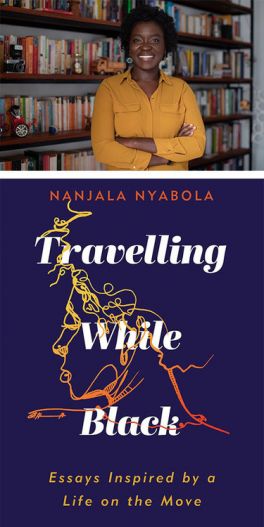
Nanjala Nyabola, author of Travelling While Black-Essays Inspired by a Life on the Move, will be in conversation with professors Rachel Beatty Riedl, Kim Yi Dionne, and postdoc Eleanor Paynter.
Nanjala Nyabola is a writer, political analyst, and activist based in Nairobi, Kenya. Nyabola writes extensively about African society and politics, technology, international law, and feminism for academic and non-academic publications. Her first book, Digital Democracy, Analogue Politics: How the Internet Era is Transforming Politics in Kenya (Zed Books, 2018), was described as "a must-read for all researchers and journalists writing about Kenya today." Nyabola's ground-breaking work opens up new ways of understanding the current global online era, reframing digital democracy from the African perspective.
Nyabola’s latest book, the critically acclaimed Travelling While Black; Essays Inspired by a Life on the Move, (available electronically from the Cornell Library) is a stark reminder that the world needs to be seen through the lens of others. Her work has featured in publications including African Arguments, Al Jazeera, Financial Times, Foreign Affairs, Foreign Policy (magazine), The Guardian, New African, The New Humanitarian, The New Inquiry, New Internationalist, and World Policy Journal.
Nyabola holds a BA in African studies and political science from the University of Birmingham, an MSc in forced migration and an MSc in African studies from the University of Oxford, which she attended as a Rhodes Scholar, and a JD from Harvard Law School.
Following the dialogue, students will present select prose, poems, and visual art published as part of Global Cornell's Race and Racism Across Borders, a call that asked students and alumni to reflect on the new knowledge gained about racial dynamics when they crossed a literal or figurative border.
Register Now
Additional Information
Program
Einaudi Center for International Studies
Reppy Institute for Peace and Conflict Studies
East Asia Program
Southeast Asia Program
Latin American and Caribbean Studies
Institute for African Development
Institute for European Studies
South Asia Program
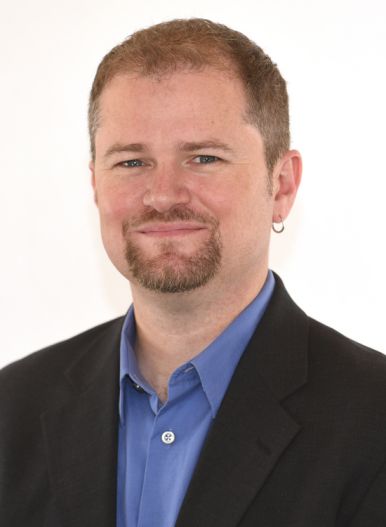
Workshop about Public Writing with David M. Perry
April 9, 2021
1:00 pm
There’s no such thing as the Ivory Tower. Colleges and universities are not isolated enclaves, and they probably never were. Public engagement is an essential part of the core mission of higher education.
But how do we reach the public? This age of constant media babble and a vast explosion of online and print publications have transformed the traditional pathways of publication, prestige, and engagement. Academics – experts in so many things – need to be part of the conversation. In fact, the variety of media voices has only made expertise and authority more important.
In this workshop, David M. Perry will lead you through the process of getting your voice into the public sphere. He will cover pragmatic topics: the art of the pitch, finding the right venue, managing social media profiles, getting paid, making it count for tenure and promotion, and protecting yourself from trolls and harassment. He will also talk about strategies to simultaneously maintain academic authority and be accessible to the broader public.
Through it all, you’ll be working on your pitches, reading essays that embody important traits, and developing your own ideas.
Over the last five years, David – once a mild-mannered medievalist – has become a columnist for Pacific Standard Magazine, with hundreds of published pieces at venues all over the world, including the New York Times, the Guardian, and the Chronicle of Higher Education. Along the way, he’s learned a lot about how to take academic expertise and share it with a much broader audience.
Going public isn’t easy, but neither is getting into graduate school, getting a PhD, or finding an academic job, so you’ve already traveled some pretty difficult paths. This workshop will start you on your way towards the next challenge.
Sponsored by: Historians Are Writers! (HAW!), History Department & Careers Beyond Academic/BEST program.
Note: This event was originally scheduled for the past academic year, but we were forced to cancel Dr. Perry’s in-person visit due to Covid-19. We want to thank the departments and programs that had originally agreed to sponsor Dr. Perry’s visit: the College of Arts and Sciences; the Society for the Humanities; the Mario Einaudi Center for International Studies; the Department of Literatures in English; the Department of Romance Studies; the Department of German Studies; the Department of Government; the Department of History of Art and Visual Studies; the American Studies Program; the Latin American Studies Program; the Public History Initiative; Flora Rose House.
Additional Information
Program
Einaudi Center for International Studies
Latin American and Caribbean Studies
Session 4-Brazil Summer 2021 Digital Internships Info Session Meeting
April 9, 2021
4:30 pm
Come and meet with our Brazil contact and LASP Program Manager to get information and your questions answered about the Summer 2021 digital internship program with Brazil. We call it digital and not virtual because there is nothing virtual (unreal) about it! If you apply and are accepted for this paid, $1,500 for a successfully completed internship program, you will work with Brazilian partners in research organizations or institutions, and in some cases with other Interns from Brazilian universities working with the same partner this summer. You will not be alone! Internship expectations are tailored to your interests, skills, and level of time commitment (minimum of around 20 hours per week for 6 weeks, but somewhat flexible). So join us this summer! At this 4:30 info session, or as soon as you can get there and no later than 5:15pm please, you will meet our Brazil partners and some Brazilian university students who will also be interning with the same institutions. Can’t make this one? This was the last session, so quickly contact the Program Manager at lasp@cornell.edu
Additional Information
Program
Einaudi Center for International Studies
Latin American and Caribbean Studies
Session 3-Brazil Summer 2021 Digital Internships Info Session Meeting
April 9, 2021
12:15 pm
This is a brief "lunch break" info session. Come and meet with our Brazil contact and LASP Program Manager to get information and your questions answered about the Summer 2021 digital internship program with Brazil. We call it digital and not virtual because there is nothing virtual (unreal) about it! If you apply and are accepted for this paid, $1,500 for a successfully completed internship, program, you will work with Brazilian partners in research organizations or institutions, and in some cases with other Interns from Brazilian universities working with the same partner this summer. You will not be alone! Internship expectations are tailored to your interests, skills, and level of time commitment (minimum of around 20 hours per week for 6 weeks, but somewhat flexible). So join us this summer! If you want to take a look at the options with Brazil come at 12:15 (I'll have opened the meeting at noon if better for you) and ask us questions. We also hope that if you like the idea, you'll join us later today on Friday afternoon at 4:30, or as soon as you can get there, no later than 5:15pm, to meet our Brazil Partners and Brazilian University students who will also be interning with the same institutions.
Additional Information
Program
Einaudi Center for International Studies
Latin American and Caribbean Studies
Session 2-Brazil Summer 2021 Digital Internships Info Session Meeting
April 8, 2021
4:30 pm
Come and meet with our Brazil contact and LASP Program Manager to get information and your questions answered about the Summer 2021 digital internship program with Brazil. We call it digital and not virtual because there is nothing virtual (unreal) about it! If you apply and are accepted for this paid, $1,500 for a successfully completed internship, program, you will work with Brazilian partners in research organizations or institutions, and in some cases with other Interns from Brazilian universities working with the same partner this summer. You will not be alone! Internship expectations are tailored to your interests, skills, and level of time commitment (minimum of around 20 hours per week for 6 weeks, but somewhat flexible). So join us this summer! At this 4:30 info session, or as soon as you can get there and no later than 5:15pm please, you will meet our Brazil partners and some Brazilian university students who will also be interning with the same institutions. Can’t make this one? Tomorrow (Friday) we have a 12:15-12:45 pm “lunch break” brief info session or a 4:30 pm session with partners again.
Additional Information
Program
Einaudi Center for International Studies
Latin American and Caribbean Studies
Session 1-Brazil Summer 2021 Digital Internships Info Session "lunch break' brief Meeting
April 8, 2021
12:15 pm
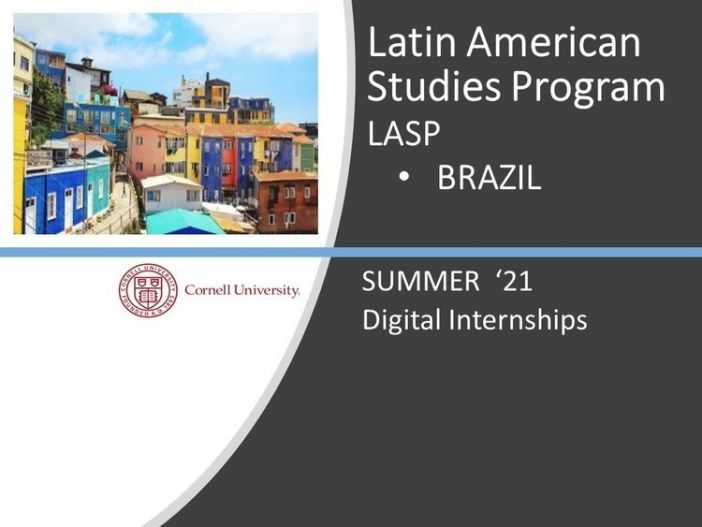
This is a brief "lunch break" info session. Come and meet with our Brazil contact and LASP Program Manager to get information and your questions answered about the Summer 2021 digital internship program with Brazil. We call it digital and not virtual because there is nothing virtual (unreal) about it! If you apply and are accepted for this paid, $1,500 for a successfully completed internship, program, you will work with Brazilian partners in research organizations or institutions, and in some cases with other Interns from Brazilian universities working with the same partner this summer. You will not be alone! Internship expectations are tailored to your interests, skills, and level of time commitment (minimum of around 20 hours per week for 6 weeks, but somewhat flexible). So join us this summer! If you want to take a look at the options with Brazil come at 12:15 (I'll have opened the meeting at noon if better for you) and ask us questions. We also hope that if you like the idea, you'll join us either Thursday or Friday afternoon at 4:30, or as soon as you can get there, no later than 5:15pm, to meet our Brazil Partners and Brazilian University students who will also be interning with the same institutions. Can’t make one today (Thursday)? Tomorrow (Friday) we have a 12:15-12:45 pm “lunch break” brief info session or a 4:30 pm session with our Brazilian partners.
Additional Information
Program
Einaudi Center for International Studies
Latin American and Caribbean Studies