
Latin American and Caribbean Studies
Session 2-Brazil Summer 2021 Digital Internships Info Session Meeting
March 26, 2021
12:00 pm
Meet the LASP Digital Internship organizer, Jihany Hassun, LASP Graduate Fellow, and learn about LASP Digital Research Internships and Einaudi Digital Research Internships with partners in Brazil.
Additional Information
Program
Einaudi Center for International Studies
Latin American and Caribbean Studies
Session 1-Brazil Summer 2021 Digital Internships Info Session Meeting
March 25, 2021
4:45 pm
Meet the LASP Digital Internship organizer, Jihany Hassun, LASP Graduate Fellow, and learn about LASP Digital Research Internships and Einaudi Digital Research Internships with partners in Brazil.
Additional Information
Program
Einaudi Center for International Studies
Latin American and Caribbean Studies
Berger International Speaker Series with Wendy Young - A Fresh Focus on the U.S./Mexico Border: Protection of Unaccompanied Children Grounded in Systemic Reforms
April 13, 2021
12:15 pm
Please register at the Zoom link below:
https://cornell.zoom.us/webinar/register/WN_dpOtKElOQsCh6KBQPYTcLw
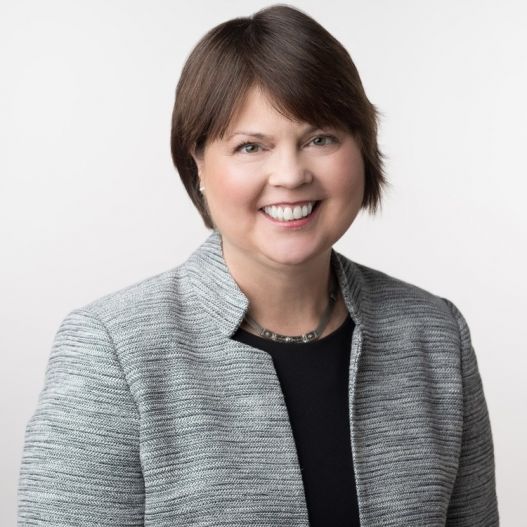
Speaker: Wendy Young, President, Kids in Need of Defense (KIND)
Co-sponsored by Cornell's Migrations initiative
Wendy has led KIND since 2009, and brings extensive immigration policy experience to the organization. Prior to KIND, she served as Chief Counsel on Immigration Policy in the Senate Judiciary Subcommittee on Immigration, Border Security and Refugees for Senator Edward M. Kennedy. She held prior immigration policy positions with organizations such as the United Nations High Commissioner for Refugees, the Women’s Refugee Commission, the United States Conference of Catholic Bishops, and the National Council of La Raza.
She has also written numerous articles, reports and cutting-edge op-eds on the plight of unaccompanied children. Wendy has received a number of awards and honors for her work on immigration rights including: 2017 Williams College Bicentennial Medal Award; 2016 Keepers of the American Dream Honoree by the National Immigration Forum; Women Inspiring Change 2015 Honoree at Harvard Law School’s 2nd Annual International Women’s Day Celebration; Foreign Policy’s Leading Global Thinker of 2014; Nominated as one of two NGO representatives to participate in Seminar XXI Program on U.S. Foreign Policy by Massachusetts Institute of Technology and National Defense University (2002); Honored by Florida Immigrant Advocacy Center for work on behalf of women and children detainees (2002); Child Advocacy National Certification of Recognition, American Bar Association, in recognition of contributions advancing the welfare of children (2001); Human Rights Award, American Immigration Lawyers Association, in recognition of the work of the Women’s Commission for Refugee Women and Children on behalf of women and child asylum seekers (1999).
Wendy earned a joint law degree and master’s degree in international relations from American University in Washington, DC, and a bachelor’s degree from Williams College in Massachusetts.
Additional Information
Program
Latin American and Caribbean Studies
Session 4 - LA Studies Summer 2021 Digital Internship Info Session
March 24, 2021
4:45 pm
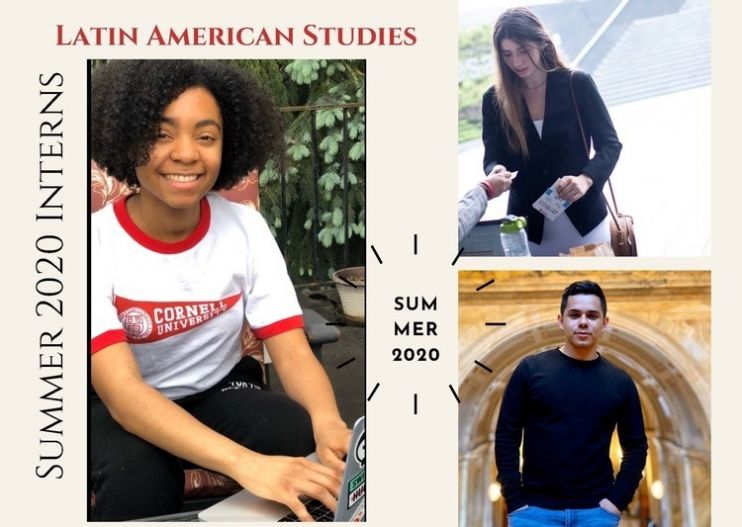
Join LASP, Luisa Trujillo (LASP internship facilitator with CONDESAN/Ecuador) and meet some of LASP's partners in Ecuador to learn more about this summer's digital internships. Application deadline extended to March 31st 2021.
Meeting Registration Link: https://cornell.zoom.us/meeting/register/tJIqd-yqqD8iEtPQjlrav6yTmC6VjT…
Additional Information
Program
Einaudi Center for International Studies
Latin American and Caribbean Studies
Session 3 - LA Studies Summer 2021 Digital Internship Info Session
March 24, 2021
12:00 pm
Join LASP, Luisa Trujillo (LASP internship facilitator with CONDESAN) and meet some of LASP's partners in Ecuador to learn more about this summer's digital internships. Application deadline extended to March 31st 2021.
Meeting Registration Link: https://cornell.zoom.us/meeting/register/tJIqd-yqqD8iEtPQjlrav6yTmC6VjT…
Additional Information
Program
Einaudi Center for International Studies
Latin American and Caribbean Studies
Session 2 - LA Studies Summer 2021 Digital Internship Info Session
March 23, 2021
4:45 pm
Join LASP, Luisa Trujillo (LASP internship facilitator with CONDESAN) and meet some of LASP's partners in Ecuador to learn more about this summer's digital internships. Application deadline extended to March 31st 2021.
Meeting Registration Link: https://cornell.zoom.us/meeting/register/tJIqd-yqqD8iEtPQjlrav6yTmC6VjT…
Additional Information
Program
Einaudi Center for International Studies
Latin American and Caribbean Studies
Session 1 - LA Studies Summer 2021 Digital Internship Info Session
March 23, 2021
12:00 pm
Join LASP, Luisa Trujillo (LASP internship facilitator with CONDESAN) and meet some of LASP's partners in Ecuador to learn more about this summer's digital internships. Application deadline extended to March 31st 2021.
Meeting Registration Link: https://cornell.zoom.us/meeting/register/tJIqd-yqqD8iEtPQjlrav6yTmC6VjT…
Additional Information
Program
Einaudi Center for International Studies
Latin American and Caribbean Studies
Courtney Harris '22: Einaudi Student Path (video)
Courtney Harris '22 studies biology and Spanish at Cornell, but she ventured out of her comfort zone as a summer 2020 digital intern with the Einaudi Center's Latin American Studies Program.
Additional Information
President Speaks Out on Atlanta Shootings
Condemns Anti-Asian Racism and Violence
Einaudi stands with our Asian and Asian American colleagues and students. Read the statement to find out how to report campus incidents of bias.
Additional Information
Latin America in the Global Economy

March 22, 2021
12:00 pm
Latin American economies have been hit hard by the coronavirus pandemic and the lockdown measures adopted by national governments to address the public health crisis. Given the erosion of many of the social and economic gains of the early 2000s, what are the prospects for economic recovery in the months and years ahead? And how can the region ensure that any new economic growth will be broadly shared, benefiting the underprivileged sectors that have been most severely affected by the crisis?
A distinguished panel of international experts will explore these questions as part of a webinar cosponsored by Cornell's Emerging Markets Institute (EMI) and the Latin American Studies Program (LASP).
Additional Information
Program
Einaudi Center for International Studies
Latin American and Caribbean Studies