
Latin American and Caribbean Studies
New York Farm Workers Removed From Vaccine Eligibility Without Explanation
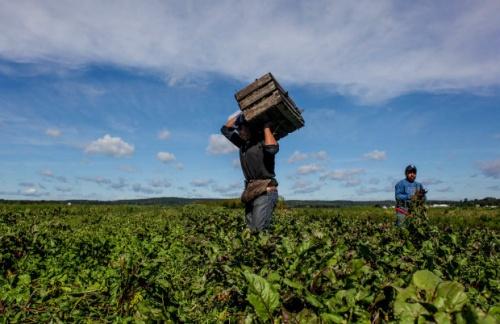
Mary Jo Dudley, LASP
“Unless there’s a dramatic increase in the number of vaccines sent, you do the math,” says Mary Jo Dudley, director of the Cornell Farmworker Program. “It’s going to be months just to vaccinate the current population that’s eligible.”
Additional Information
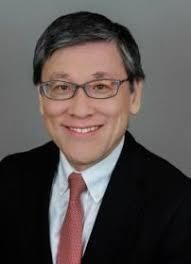
Emerging Markets Theme Research Seminar—TJ Wong
May 7, 2021
12:00 pm
The research seminar series is an initiative of the Emerging Markets Theme of the Cornell S.C. Johnson College of Business, which focuses on engaging students and faculty in discourse over the role of emerging markets in an increasingly connected world.
Every month, we will host a speaker to expand our understanding of emerging economies through research and diverse perspectives. Join us in welcoming TJ Wong on May 7 at 12pm ET.
TJ Wong is the Joseph A. DeBell Professor of Business Administration and Professor of Accounting at USC Marshall Business School. He co-organizes the China Research Group at USC. Prior to joining USC, he served as the Dean of the business school and the Director of the Center for Institutions and Governance of the Chinese University of Hong Kong. His research primarily focuses on the institutions and corporate governance of emerging market firms.
Additional Information
Program
Einaudi Center for International Studies
Latin American and Caribbean Studies
A Conversation on the Plantationocene

April 15, 2021
11:00 am
This virtual conference, sponsored by the Mario Einaudi Center for International Studies and Migrations: A Global Grand Challenge, brings together a diverse group of scholars, activists, and practitioners to discuss the role that plantations and plantation agriculture have played in shaping the nature, structure, and dynamics of the modern era.
Although plantations have long been the subject of study, the Plantationocene as a concept emerged only in the past few years to describe the role of racialized, large-scale plantation agriculture in establishing a world system that to this day lives with the legacy and continuation of slavery, forced migration, dispossession, and mono-crop extractive agriculture intended for export production.
This article serves as a frame for the conversation: Wolford, Wendy, 2021 “The Plantationocene: A Lusotropical Contribution to the Theory,” Annals of the American Association of Geographers, early view online.
Over two days of roundtable discussions (April 15-16), scholars and activists from a variety of disciplines of critical social theory and practice, including agrarian studies, political ecology, development studies, black geographies and feminist theory, will discuss the Plantationocene and to what extent this conceptional framework may be useful—not just for analytical purposes, but also for activism and practice.
Explore the schedule and presentersRegister nowThe conference is available in Portuguese through simultaneous interpretation on the same Zoom channel. All sessions will be recorded.
Moderator:
Wendy Wolford, Robert A. and Ruth E. Polson Professor, Department of Global Development, Cornell University
Panelists:
Gerard Aching, Professor of Africana and Romance Studies, Cornell UniversityYasmine Ahmed, Postdoctoral teaching fellow, The American University in CairoSarah Besky, Associate Professor of Industrial and Labor Relations, Cornell UniversityRachel Bezner-Kerr, Professor of Global Development, Cornell UniversityJun Borras, Professor of Agrarian Studies, Institute of Social Studies, Erasmus University, the HagueNatacha Bruna, PhD candidate, International Institute of Social Studies (ISS), Erasmus University, the Hague Judith Carney, Professor of Geography, University of California, Los AngelesSophie Chao, Postdoctoral Research Associate, University of SydneySharad Chari, Associate Professor of Geography, University of California, BerkeleyYoujin Chung, Assistant Professor of Energy and Resources Group and Environmental Science, Policy, and Management, University of California, BerkeleyAndrew Curley, Assistant Professor of Geography, University of ArizonaMary Jo Dudley, Director of the Cornell Farmworker Program, Cornell UniversityChristopher Dunn, Elizabeth Newman Wilds Executive Director of Cornell Botanic Gardens, Cornell UniversityDivya Dutta, Researcher, Oxfam America and Oxfam Great BritainJennifer Franco, Activist and Researcher at the Transnational Institute (TNI), the HagueShannon Gleeson, Professor of Labor Relations, Law, and History, Cornell UniversityJenny Goldstein, Assistant Professor of Global Development, Cornell UniversityEuclides Gonçalves, Director and Researcher, Kaleidoscopio, Research in Public Policy, MozambiqueCarla Gras, Researcher and Professor of Sociology, University of Buenos AiresJulie Guthman, Professor of Social Sciences, University of California, Santa CruzShalmali Guttal, Executive Director, Focus on the Global South, BangkokTania Murray Li, Professor of Anthropology, University of TorontoJuliet Lu, Postdoctoral Research Fellow, Cornell Atkinson Center for SustainabilityFouad Makki, Associate Professor of Global Development, Cornell UniversityPriscilla McCutcheon, Assistant Professor of Geography, University of KentuckyPhilip McMichael, Professor of Global Development, Cornell UniversityGregg Mitman, Vilas Research and William Coleman Professor of History of Science, Medical History, and Environmental Studies, University of Wisconsin, MadisonSharlene Mollett, Distinguished Professor in Feminist Cultural Geography, Nature and Society and Associate Professor of Geography, University of TorontoJoão Mosca, Director, Observatório do Meio Rural, Maputo Andrew Ofstehage, Postdoctoral Associate, Cornell UniversityKasia Paprocki, Assistant Professor of Geography and Environment, London School of Economics and Political ScienceDeniz Pelek, Postdoctoral Researcher in the MIGRADEMO Project, Universitat Autònoma de BarcelonaNancy Peluso, Professor of Society and Environment and Chair of the Center for Southeast Asian Studies, University of California, BerkeleyPrabhu Pingali, Professor of Applied Economics and Policy, Cornell UniversityRachel Beatty Riedl, John S. Knight Professor of International Studies and Director of the Einaudi Center, Cornell UniversityCaitlin Rosenthal, Associate Professor, History, University of California, BerkeleySergio Sauer, Professor in the Center for Sustainable Development, University of BrasíliaJudite Stronzake, Activist in the Movement of Landless Workers (MST), Brazil and Professor of Education, Universidade Federal da Grande DouradosEric Tagliacozzo, John Stamburgh Professor, Department of History, Cornell UniversityAnna Tsing, Professor of Anthropology, University of California, Santa CruzMichael Watts, Chancellor’s Professor of Geography Emeritus, and Co-Director of Development Studies, University of California, BerkeleyWendy Wolford, Robert A. and Ruth E. Polson Professor of Global Development, Cornell UniversityYunan Xu, Post-doctoral researcher, International Institute of Social Studies (ISS), Erasmus University RotterdamJohn Aloysius Zinda, Assistant Professor, Global Development, Cornell University
Additional Information
Program
Einaudi Center for International Studies
Latin American and Caribbean Studies
Institute for African Development
Institute for European Studies
South Asia Program
Southeast Asia Program
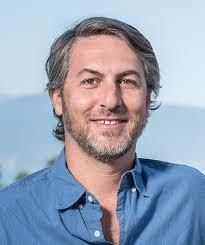
Emerging Markets Theme Research Seminar—Claudio Ferraz
April 2, 2021
12:00 pm
The research seminar series is an initiative of the Emerging Markets Theme of the Cornell S.C. Johnson College of Business, which focuses on engaging students and faculty in discourse over the role of emerging markets in an increasingly connected world.
Every month, we will host a speaker to expand our understanding of emerging economies through research and diverse perspectives. Join us in welcoming Claudio Ferraz on April 2 at 12pm ET.
Claudio Ferraz is a Professor of Economics at the Vancouver School of Economics, University of British Columbia. He is also a part-time professor at the Department of Economics of the Pontifícia Universidade Católica do Rio de Janeiro (PUC-Rio). He currently serves as Scientific Director of J-PAL Latin America & Caribbean and as co-director of the Political Economy Network of LACEA. He is an honorary member of LACEA, fellow of the Econometric Society and currently an Associate Editor of Econometrica, Journal of Political Economy, and Journal of Development Economics. His academic research focuses on economic development, political economy, and public economics.
Additional Information
Program
Einaudi Center for International Studies
Latin American and Caribbean Studies
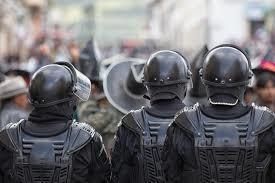
Mano Dura: An Experimental Evaluation of Military Policing in Cali, Colombia by Robert A. Blair and Michael Weintraub, LASP Seminar Series
March 8, 2021
12:00 pm
Governments across the developing world rely on their armed forces for domestic policing operations. Advocates of these “mano dura” (iron fist) policies view them as necessary to control crime, while detractors claim they undermine human rights. We experimentally evaluate a military policing intervention in Cali, Colombia, the country’s third largest city and among its most violent. The intervention involved recurring, intensive military patrols targeting crime hot spots, randomly assigned at the city block level. Using administrative crime and human rights data, surveys, a conjoint survey experiment, a costly behavioral measure, qualitative interviews, and firsthand observations from civilian monitors, we find some suggestive evidence that military policing reduces crime, but only on days and times when soldiers are physically present on the streets. Despite these weak or null effects, we find strong evidence of increased demand for more aggressive military involvement in policing and other aspects of governance, including increased support for military coups. We also find some suggestive evidence of increased human rights abuses committed by police officers in particular a large, significant, and lasting increase in citizens’ reports of witnessing crime, and a correspondingly large, significant, and lasting increase in their willingness to report crimes to the authorities. We interpret this as evidence of increased vigilance by citizens and increased coproduction of security not just between the military and the police, but between civilians and the authorities as well.
Register to attend: https://bit.ly/3kLlHCT
Michael Weintraub is an Associate Professor in the Escuela de Gobierno Alberto Lleras Camargo at Universidad de los Andes in Bogotá, Colombia; Director of the Security and Violence Area of the Center for the Study of Security and Drugs (CESED) at the same university; and Senior Researcher at Peace Research Institute Oslo (PRIO). His research agenda focuses on crime and political violence in Latin America, particularly in Colombia, Central America, and Mexico. He is also interested in historical legacies of violence and how they affect contemporary outcomes. To study these and other topics he uses a combination of experimental and quasi-experimental methods, as well as qualitative case studies. While he wrote my dissertation on Colombia, and live in Bogotá, he also studies Mexico and the three countries in the so-called "Northern Triangle" of Central America: El Salvador, Guatemala, and Honduras. Prior to graduate school,heI worked for three years on human rights and development, primarily in East and Southern Africa. In May 2014 he received my Ph.D. in Government from Georgetown University and has been a Predoctoral Fellow at Yale University’s Program on Order, Conflict, and Violence (2013-2014) and a Jennings Randolph Peace Scholar at the United States Institute of Peace (2012-2013). He was an Assistant Professor of Political Science at Binghamton University (SUNY) from 2014-2016. His articles have been published or are forthcoming in the Journal of Politics, Journal of Conflict Resolution, Journal of Peace Research, Conflict Management and Peace Science, Terrorism and Political Violence, Research & Politics, Journal of Theoretical Politics, and Critical Review.
Robert A. Blair is an Assistant Professor of Political Science and International and Public Affairs at Brown University. His research focuses on international intervention and the consolidation of state authority after civil war, with an emphasis on rule of law and security institutions. He also coordinates the Democratic Erosion consortium, which spans over 50 universities in the US, UK, Ireland, Israel, Turkey, Romania, South Korea, Australia, and the Philippines. The consortium combines research, teaching, and civic and policy engagement to address threats to democracy in the US and around the world.
Additional Information
Program
Einaudi Center for International Studies
Latin American and Caribbean Studies
“A Mexican State of Mind: New York City and the New Borderlands of Culture,” by Melissa Castillo Planas
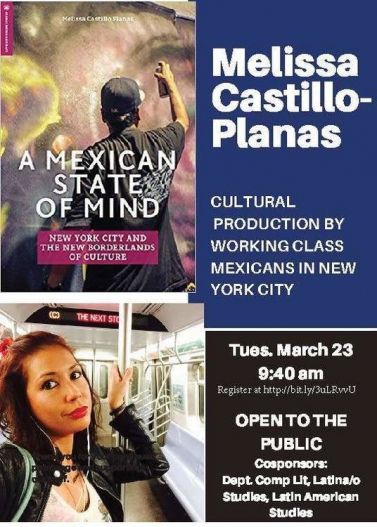
March 23, 2021
9:40 am
Cosponsored by Latino/a Studies Program, Latin American Studies Program, and Comparative Literature
Melissa Castillo Planas' most recent book project, with Rutgers University Press’ new Global Race and Media series, A Mexican State of Mind: New York City and the New Borderlands of Culture, examines the creative worlds and cultural productions of Mexican migrants in New York City within the context of a system of racial capitalism that marginalizes Mexican migrants via an exploitative labor market, criminalizing immigration policy, and racialized systems of surveillance. Her second book of poetry, Chingona Rules is forthcoming with Finishing Line Press in summer 2021.
Melissa Castillo Planas is an Assistant Professor of English at Lehman College specializing in Latinx Literature and Culture. She is the author of the poetry collection Coatlicue Eats the Apple, editor of the anthology, ¡Manteca!: An Anthology of Afro-Latin@ Poets, co-editor of La Verdad: An International Dialogue on Hip Hop Latinidades and co-author of the novel, Pure Bronx.
Additional Information
Program
Einaudi Center for International Studies
Latin American and Caribbean Studies
Mildred Warner

Professor, City and Regional Planning, and Global Development
Mildred Warner is an international expert on restructuring local government services, how to plan for more child- and age-friendly cities, and how to promote environmental sustainability at the local level. Her research on Latin America focuses on infrastructure, water, local fiscal stress, sustainability and rural development; rural economic development and local service delivery.
Additional Information
Innovation in Emerging Markets: Asia and LATAM

March 5, 2021
12:00 pm
In the past 15 years, emerging markets (EM) have come to represent the largest share of global Gross Domestic Product (GDP) and made gains in economic development and political influence; in turn, their companies have taken on a new level of importance in driving innovation, local development and global competition. We want to invite a conversation about diverse types of innovation in emerging markets and present some findings of the book From Copycat to Leaders: Innovation from Emerging Markets.
Additional Information
Program
Einaudi Center for International Studies
Latin American and Caribbean Studies
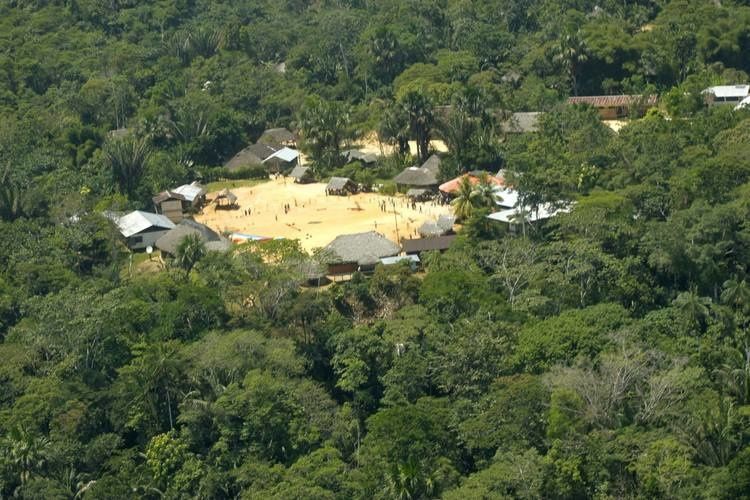
Leaders of Sarayaku: Connecting Indigenous Roots, Session II, a LASP-CUSLAR Public Issues Forum
February 24, 2021
12:15 pm
This is a second time during 24 February to meet the leaders if you couldn't make the 11am session. Sarayaku’s Kichwa communities were central to Ecuador’s first National Indigenous Uprising in 1990 and are at the forefront of indigenous rights mobilization. Come listen to four leaders from Sarayaku's indigenous communities (Abigail Gualinga, Mario Santi, Yaku Viteri, and Fausto Santi) and learn more about indigenous cosmologies & human rights frameworks.
This event is co-sponsored by Cornell University Latin American Studies Program with funding from a Undergraduate International Studies and Foreign Language (UISFL) grant from the U.S. Department of Education, the Committee on US Latin American Relations (CUSLAR) at Cornell, the Cornell Law School, the American Indian and Indigenous Studies (AIIS) program at Cornell, and with a partial funding from the Cornell Student Activities Funding Committee (SAFC)
For Session II, register here: https://bit.ly/3qpj6kg
Additional Information
Program
Einaudi Center for International Studies
Latin American and Caribbean Studies
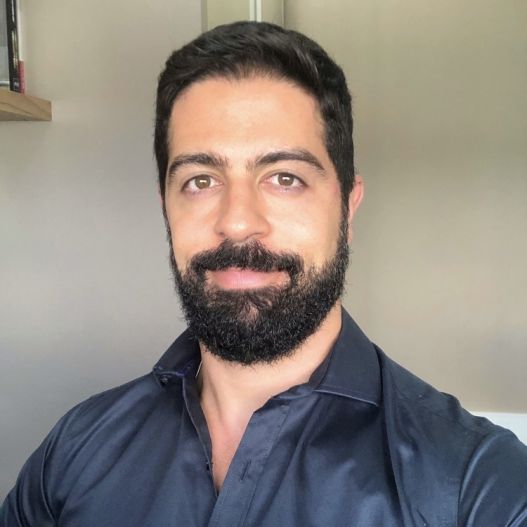
'I am the Constitution!' On the superpowers of the Brazilian Supreme Court, by Daniel Hachem, LASP Seminar Series
March 1, 2021
4:00 pm
In the last three decades, the Brazilian constitutional experience has moved towards the adoption of a model of judicial supremacy, in which the Supreme Court has the prerogative to give the last word on the attribution of meaning to constitutional norms. With the rise of a government of judges, the Supreme Court began to directly interfere in the political decision-making of the Legislative and Executive Powers. This talk intends to expose the process of development of the superpowers of the Brazilian Supreme Court, the rise and fall of its democratic legitimacy and the reactions adopted by the Legislative Power in order to rebalance the relationship between the branches.
Daniel Hachem is Professor of Public Law at the Pontifical Catholic University of Paraná (PUCPR) and at the Federal University of Paraná (UFPR) – Brazil. Visiting Professor at the Sorbonne Law School (2018-2020). Doctor of Law – Federal University of Paraná. Postdoctoral Fellowship at Université Paris 1 Panthéon-Sorbonne (2017). Director General of NUPED – Center for Research on Public Policy and Human Development at PUCPR. Member of the Ibero-American Forum of Administrative Law and the Public Law Association of Mercosur. Website: www.danielhachem.com
Registration link: https://bit.ly/2Ml5IPi
Additional Information
Program
Einaudi Center for International Studies
Latin American and Caribbean Studies