
East Asia Program
Summer Internships Are Here!

Undergrads, Apply by Jan. 15
Apply now for 2023 global summer internships! These in-person experiences let you polish your real-world skills and advance your career goals.
Additional Information
From Xinjiang to Shanghai, Protests Grow in China over COVID Restrictions

Eli Friedman, EAP
The cross-class, cross-ethnic protests are a “movement against surveillance” says Friedman, professor of international and comparative labor.
Additional Information
U.S.-China Economic Ties Continue to Fray, Despite Biden-Xi Meeting
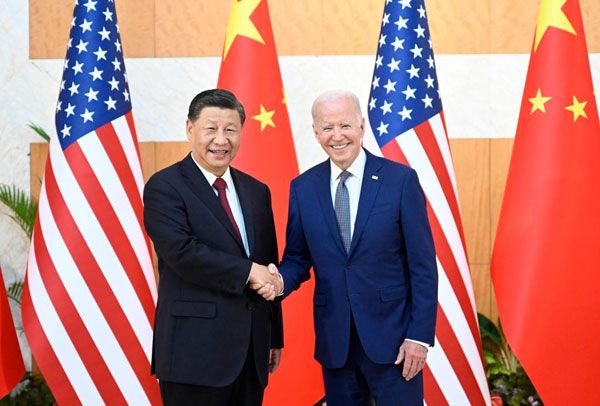
Eswar Prasad, SAP
“Xi Jinping’s clear signals about the contours of his administration’s economic policies, which will be less favorable to private enterprise, are likely to discourage U.S. investments in China and lead to continued gradual economic and financial decoupling,” says Eswar Prasad, professor of economics and international trade policy.
Additional Information
EAP Fellowships fund the future!

Last year alone, EAP provided $226,000 in student funding.
EAP’s graduate fellowships and other funding programs continue to support critical graduate student research and training as well as undergraduate research internships and language study. This financial support sustains and ensures the development of emerging scholars at all levels.
Student Funding Story: Hear From Our Current Students in the Field
Yuanyuan Duan
Ph.D. Candidate in Asian Literature, Religion, and Culture & Hu Shih Fellowship Awardee
Research: Crossing Boundaries: The "Ācārya" Community in Dali and their Textual Practices, 1382-1500.
A quote from Yuanyuan about her experience:
I am currently in Kunming, the capital city of Yunnan Province in China, conducting archival research for my dissertation project on the Buddhist community named "ācārya” in Dali (southwest China today) in the 14th-16th centuries. Due to COVID restrictions, the archives, libraries, and museums in China could be closed to the public at any time. Such indeterminacy is a big challenge to my work. But I am fortunately granted a very rare opportunity for the physical examination of the medieval Buddhist manuscripts housed in local institutions. The hands-on research on the manuscripts really excites me. For the prospective applicants of EAP fellowships, I would say specifying the purpose and work plan of your project in the proposal is important to the grant application.
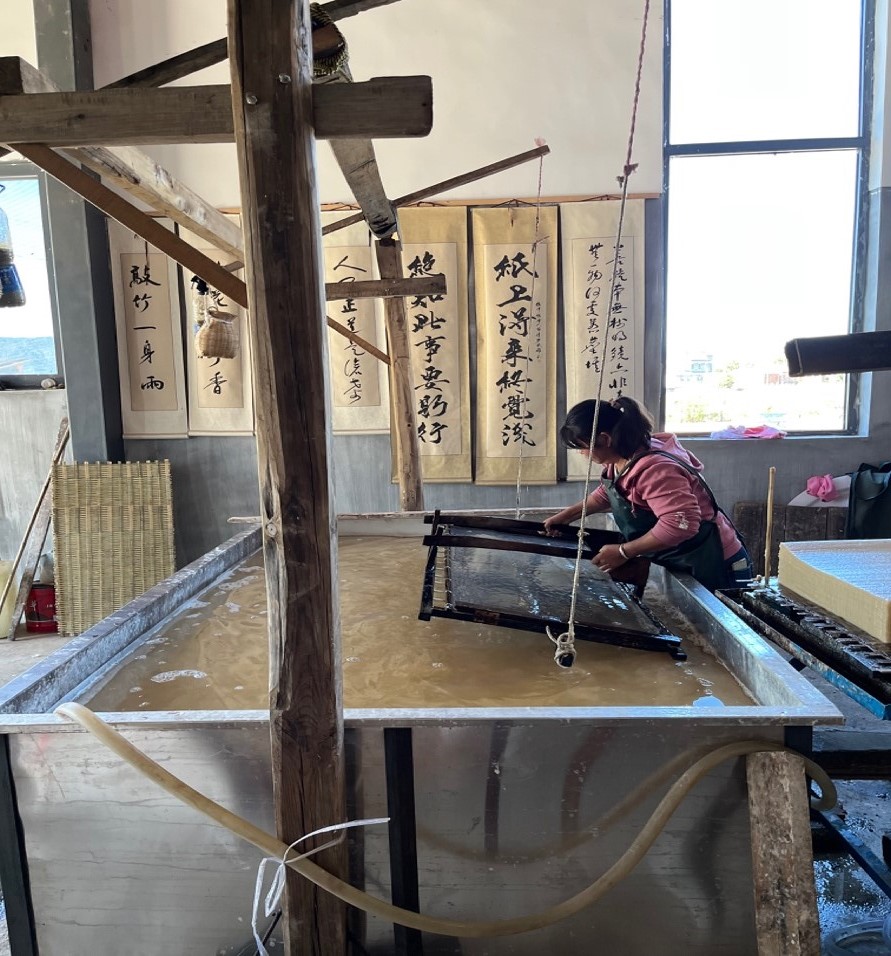
Thank you Yuanyuan for sharing your story!
If you would like to join Yuanyuan and pursue your research, apply for EAP Student Funding. The graduate fellowships and Language Study Grant applications are now open and the deadline is January 26th, 2023 at midnight. For more information on current Student Funding Opportunities and how to apply, visit the East Asia Program Funding Page.
Additional Information
Program
2022 Korean Noraebang Contest
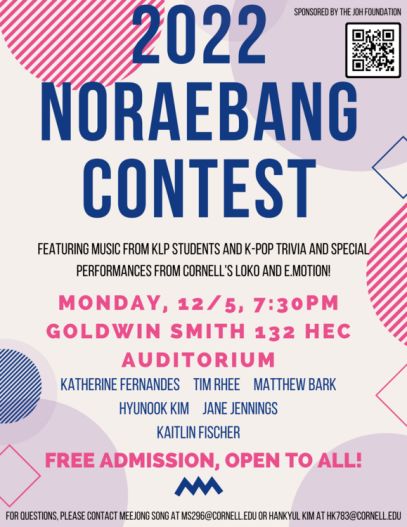
December 6, 2022
7:30 pm
Goldwin Smith Hall, HEC auditorium
Are you interested in Korean Music, Dance, and Snacks? Come join the Noraebang (singing) Contest and enjoy all of these things! The Contest stars the Korean Language Program students that you can vote for, performances by Korean dance groups E.Motion and LOKO, trivia prizes for the audience, and bakery goods from Paris Baguette for all. You won't want to miss this!! Grab your friends and family, and come enjoy this wonderful celebration! Open to the public and kids friendly. This event is sponsored by the Joh Foundation.
Additional Information
Program
East Asia Program
China’s Shock GDP Delay Shows Communist Party Trumps Economy
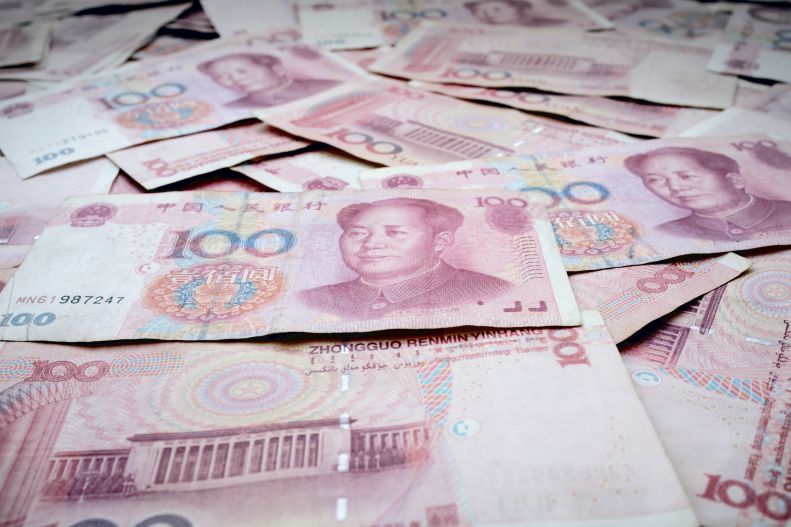
Jeremy Wallace, EAP
“Generalized secrecy and lack of transparency increasingly common to Chinese politics and economics erodes trust,” says Jeremy Wallace, associate professor of government.
Additional Information
Beijing Bridge Protest: One-off or ‘Canary in the Coal Mine’?
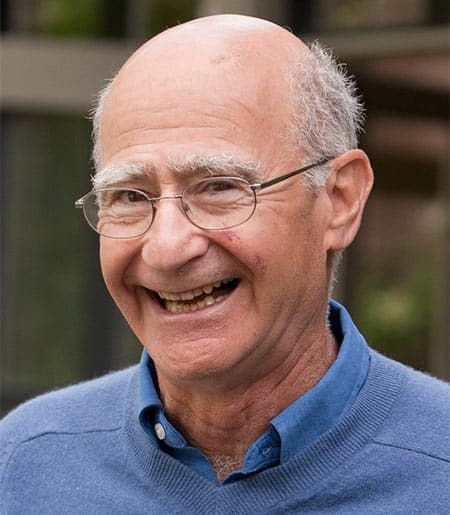
Sidney Tarrow, EAP
Sidney Tarrow, emeritus professor of government and adjunct professor of law, writes this opinion piece on a recent protest on a bridge in Beijing.
Additional Information
China’s Communist Party Hands Xi an Endless Rule for Flexing Power

Eswar Prasad, SAP
“Xi Jinping has emphatically set the Chinese economy on a path toward realizing his vision of a state-dominated and self-reliant economy that will continue engaging with the rest of the world but entirely on its own terms,” says Eswar Prasad, professor of economics and international trade policy.
Additional Information
Biden-Xi Meeting Giving Hope to Global Economy

Eswar Prasad, SAP
Eswar Prasad, professor of economics and international trade policy, discusses the talks between President Biden and Chinese Xi Jinping (video).
Additional Information
Joe Biden and Xi Jinping Signal Desire to Improve Ties Despite Taiwan Tensions
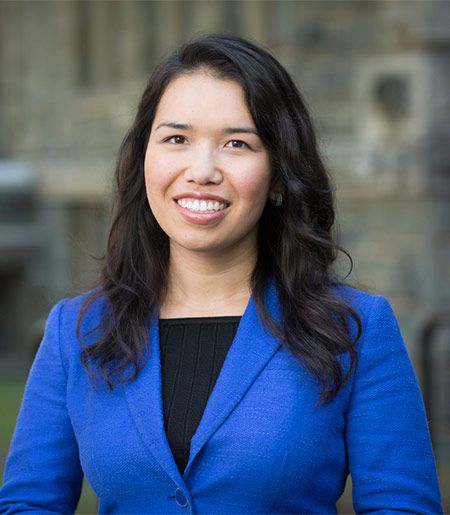
Jessica Chen Weiss, EAP
“In several months, we may look back on the Biden-Xi meeting as the first signs of an inflection point that began to decelerate the spiral towards conflict,” says Jessica Chen Weiss, professor of government and public policy.