
Einaudi Center for International Studies
Laidlaw Scholars Symposium

November 8, 2023
5:00 pm
Klarman Hall Auditorium & Atrium
Laidlaw Scholars at Cornell will share their summer research and leadership-in-action experiences at this annual symposium.
Beginning in the Klarman Hall Auditorium, a panel of scholars will share their work and experiences. The presentation will be followed by poster presentations throughout the Groos Family Atrium.
The Laidlaw Undergraduate Leadership and Research Scholarship Program provides generous funding to first- and second-year undergraduates over two years as they pursue internationally focused research, engage in leadership training and a leadership-in-action experience, and join a global network of like-minded peers.
Learn more about the program, which is administered by the Mario Einaudi Center for International Studies with leadership training support from the David M. Einhorn Center for Community Engagement.
Additional Information
Program
Einaudi Center for International Studies
Reppy Institute for Peace and Conflict Studies
East Asia Program
Southeast Asia Program
Latin American and Caribbean Studies
Institute for African Development
Institute for European Studies
South Asia Program
Summer Program in India Info Session
November 6, 2023
5:15 pm
Rockefeller Hall, 187
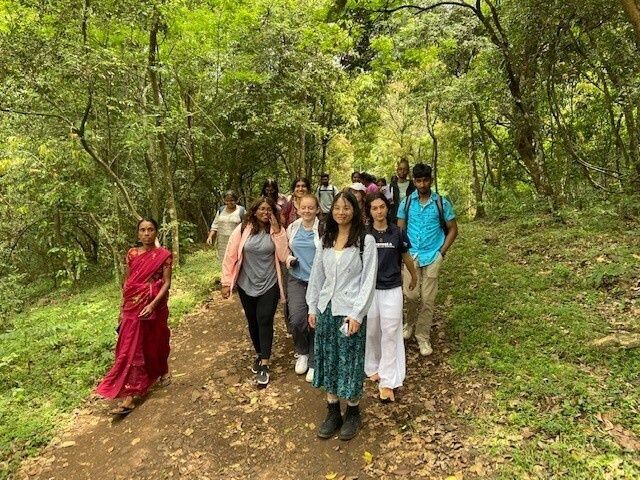
Are you interested in the intersection of mental health and culture, global health, and community engagement? Do you want to gain field research skills and learn about indigenous communities in South India’s beautiful and fragile Nilgiris Biosphere Reserve? If so, the Cornell-Keystone Nilgiris Field Learning Program might be for you!
Additional Information
Program
Einaudi Center for International Studies
South Asia Program
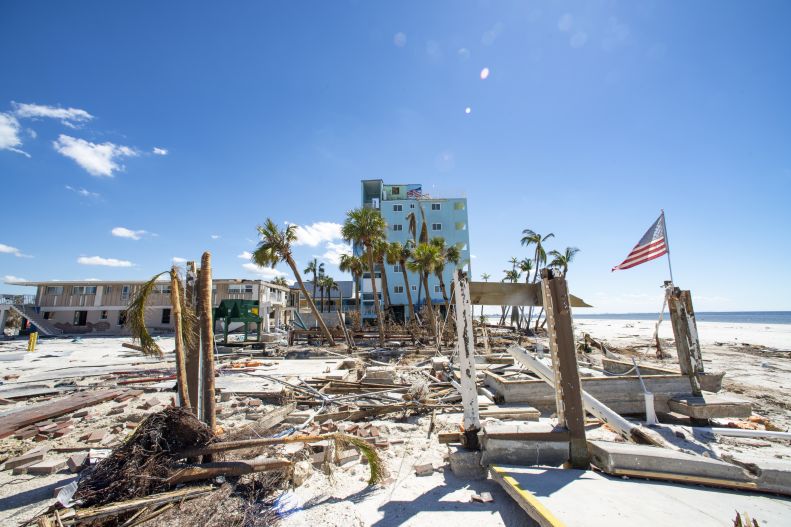
Climate Change Is a Fiscal Disaster for Local Governments − Our Study Shows How It’s Testing Communities in Florida
Linda Shi, Global Public Voices
"Communities can adapt to some of these effects, or at least buy time," writes Linda Shi, assistant professor of city and regional planning," but climate disasters and sea-level rise also harm local governments financially by increasing costs and undercutting their property tax bases."
Additional Information
Blue States’ Plans for Migrant Workers Can Include or Exclude Biden

Stephen Yale-Loehr, Migrations
Jacob Hamburger, visiting assistant professor of law, and Stephen Yale-Loehr, professor of immigration law, write this opinion piece about how states are approaching issues surrounding immigration and work permits.
Additional Information
Help! I Was Denied Boarding On a Cruise, and I Wasn’t the Only One

Stephen Yale-Loehr, Migrations
Stephen Yale-Loehr, professor of immigration law, says, “Even a green card holder is not guaranteed re-entry into the United States. If there’s nothing in the person’s immigration history to indicate that they are inadmissible for other reasons, then they should be allowed on the cruise ship.”
Additional Information
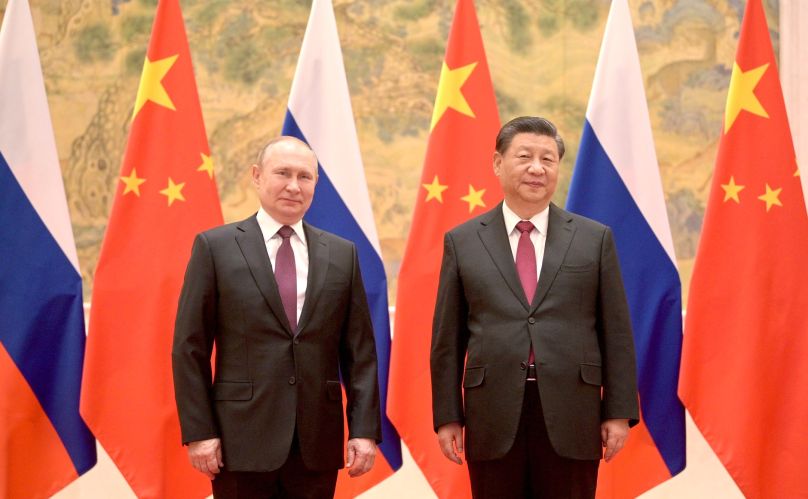
From Russia to the Middle East: Why China Can’t Afford Another Big Conflict
Eswar Prasad, SAP
Eswar Prasad, professor of international trade policy and economics, says, “China has also been eager to highlight, through whatever means, solidarity with major oil-producing nations and limit any fallout that could further destabilize the origin, disrupt oil supplies and drive up energy prices.”
Additional Information
Unwritten Rule: A GETSEA Community Book Read by Alice Beban
November 16, 2023
7:00 pm
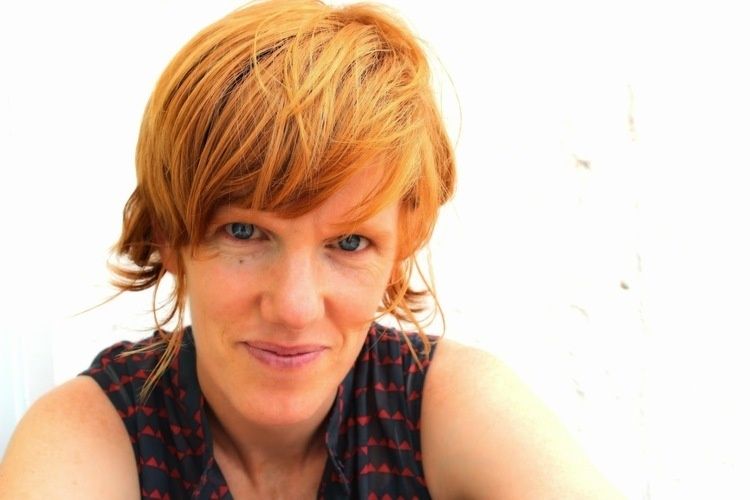
A community book read with Alice Beban, author of Unwritten Rule: State-Making through Land Reform in Cambodia and winner of the 2023 Benda Prize.
This event is open to current graduate students at any university, but participants must read the book first to facilitate an active conversation!
Alice Beban’s Unwritten Rule: State-Making through Land Reform in Cambodia is a first-rate study of the politics of land redistribution. Challenging the idea that land reform strengthens land tenure, Unwritten Rule shows that instead it entangles citizens in patron-client relations, creates anxiety, and actually undermines title to land. Citizens in Cambodia must contend with a state that, Beban argues, is not so much lacking in state capacity but actively making things illegible through obfuscation, secrecy, and unwritten rules. Through multiple methods, including in-depth ethnography, survey research, as well as comparative analysis within Cambodia, Unwritten Rule provides a sharp, unique, and counterintuitive perspective on land reforms in an autocratic regime. This is a superb book from which political scientists, sociologists, anthropologists, and historians can all gain deep and grounded insights.
Additional Information
Program
Einaudi Center for International Studies
Southeast Asia Program
Institute for African Development Seminar: Land Use and tenure Insecurity in the Drylands of Southern Ethiopia
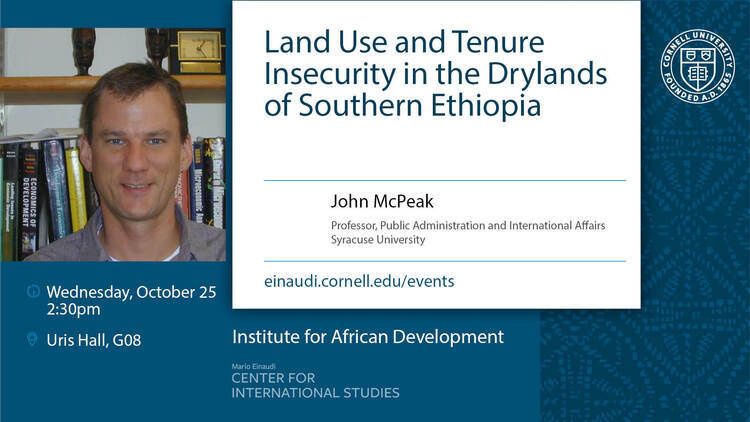
October 25, 2023
2:30 pm
Uris hall, G08
Register
The seminar series for fall 2023 explores the future of African land, agriculture and food, digging into the contestations, conflicting and converging visions from a wide range of perspectives. How might land be used, valued and lived in, across cities, rural communities, forests, deserts and grasslands on the continent in the future? Who is proposing different visions of land futures in Africa, what are the histories, politics, socio-cultural, environmental and economic implications of these potential visions? In one of the regions with the most youthful populations, how are young people considering possible futures? What are ways that land, agriculture and food systems could be resilient, healthy, ecological, thriving and just? Can there be a decolonial agriculture and food future in Africa that celebrates Indigenous and local foodways?
Additional Information
Program
Einaudi Center for International Studies
Institute for African Development
Across the Archives: Southeast Asian Manuscripts
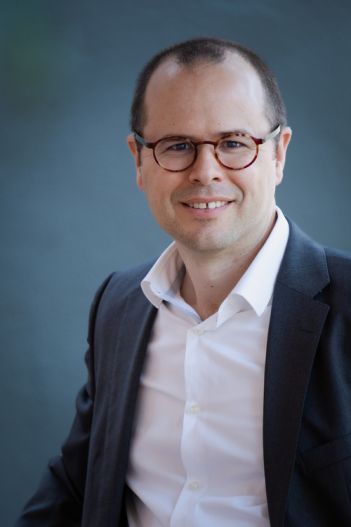
November 7, 2023
3:00 pm
Join us for an online discussion on Southeast Asian Manuscript collections held by institutions around the United States, including the University of California, Berkeley and the Library of Congress.
Dr. Trent Walker will share his experiences navigating the archival landscape of Southeast Asian Studies, covering how manuscript traditions from Cambodia, Laos, and Thailand appear in American libraries and the divergent approaches that researchers can take to incorporate these collections into their own scholarship. This webinar is hosted by the Committee on Research Materials on Southeast Asia (CORMOSEA), the Southeast Asia Program (SEAP), and the Southeast Asia Digital Library (SEADL).
Trent Walker is Assistant Professor of Southeast Asian Studies in the Department of Asian Languages and Cultures at the University of Michigan–Ann Arbor. A specialist in Buddhism, literature, and music in Cambodia, Laos, Thailand, and Vietnam, he is the author of Until Nirvana’s Time: Buddhist Songs from Cambodia and co-edited a major anthology, Out of the Shadows of Angkor: Cambodian Poetry, Prose, and Performance through the Ages. Recent publications include articles on Thai literary history, Lao and Shan exegesis, Theravada nuns, Pali-vernacular homiletics, Khmer epigraphy, and Vietnamese Buddhist translation. Trent also served as Director of Preservation and Lead Scholar for the Khmer Manuscript Heritage Project, a initiative of the Buddhist Digital Resource Center, in collaboration with the École française d'Extrême-Orient and with generous support from A Khmer Buddhist Foundation, to digitize over 1.5 million pages of Khmer, Pali, and Thai manuscripts from Cambodia.
Additional Information
Program
Einaudi Center for International Studies
Southeast Asia Program
La Ilusión Viaja en Tranvía

November 9, 2023
5:00 pm
Uris Hall, G08, Uris Hall, G08
LACS Film Series
La ilusión viaja en tranvía (1954) is a wry social comedy from renowned filmmaker Luis Buñuel's Mexican period. Heartbroken that their favorite streetcar has been decommissioned, two Mexico City transit workers get drunk and take the streetcar out for a final—eventful—joyride. The film reveals a less well known side of Buñuel's work. Often thought of as a touchstone of surrealist and avant-garde filmmaking who floundered in commercial movie systems, Buñuel shows his deft and mischievous mastery of the tropes and conventions of Mexican popular cinema.
Director's Bio:
Born in 1900 in Calanda, Spain, Luis Buñuel is widely regarded as one of the most important filmmakers of the 20th century. Together with Salvador Dalí, he is credited with having pioneered surrealist filmmaking. From 1946-1953, Buñuel worked primarily on commercial films in Mexico. He died in Mexico City in 1983, having become a Mexican citizen in 1949.
Additional Information
Program
Einaudi Center for International Studies
Latin American and Caribbean Studies