
Einaudi Center for International Studies
Collaborative Reforestation in Malawi Supports Ag, Climate Adaptation
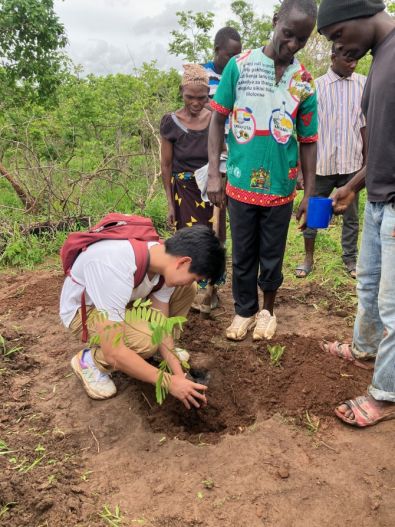
Rachel Bezner Kerr, IAD
Malawi is one of the most vulnerable countries in the world to extreme weather, and climate change is exacerbating droughts, floods, cyclones and other natural disasters throughout the country. To help impoverished farming communities alleviate some of these impacts, Cornell researchers are collaborating with a network of academics, nongovernmental colleagues and communities in Malawi to strengthen forests.
Additional Information
LACS and LSP Graduate Student Writing Group

April 30, 2025
5:00 pm
Big Red Barn
Join graduate student writers to share goals and write in community. The writing workshop will begin with group introductions and a moment to share what we're working on. The bulk of the time will then be dedicated to writing in community and end with the opportunity to share what you accomplished with a supportive group of peers. For those who can't make it at 5 pm, feel free to drop in at any point.
This writing group, while open to all graduate and professional students, aims to make a place for multilingual writers in particular.
To sign up for weekly reminder emails, please fill out this form.
Sponsored by the Latin American and Caribbean Studies Program and Latina/o Studies Program.
All Welcome!
Additional Information
Program
Einaudi Center for International Studies
Latin American and Caribbean Studies
Mauricio Funes, Former El Salvador Leader Who Fled to Exile, Dies at 65

Gustavo Flores-Macías, LACS
Gustavo Flores-Macias, professor of government, discusses Mauricio Funes.
Additional Information
Congress Clears GOP-led Immigration Enforcement Bill, With Democrats on Board

Marielena Hincapié, Migrations
Marielena Hincapié, distinguished immigration scholar, says “It's a snapshot of how much the needle has been moved by the anti-immigrant rhetoric of immigrants committing crimes, even though the statistics don't show that.”
Additional Information
Why Nations That Fail Women Fail
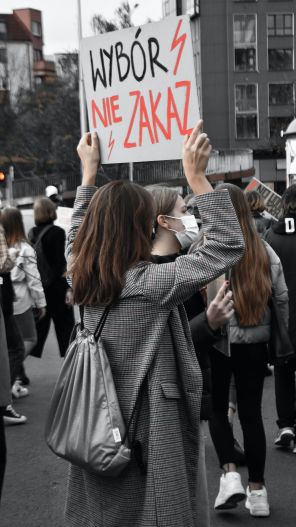
Sabrina Karim, PACS
“Nations that subjugate women tend to be more unstable and violent. Here's why.”
Additional Information
US TikTok Ban Could Echo India Chaos as Users Seek Options

Aditya Vashistha, SAP
“The impact on the micro-influencers and the mid-tier influencers is going to be much stronger. I see similar ripple effects both in the U.S. and in India,” says Aditya Vashistha, assistant professor of information science.
Additional Information
Trump to Make Historic Move Toward Revoking Birthright Citizenship

Marielena Hincapié, Migrations
“What we do know is that the president does not have the executive authority to undo the 14th Amendment and birthright citizenship by that level,” says Marielena Hincapié, distinguished immigration scholar.
Additional Information
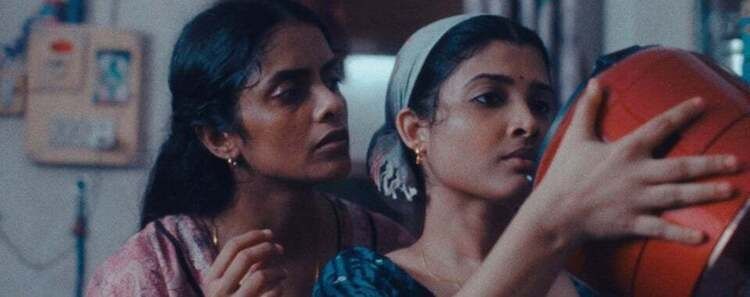
All We Imagine as Light
February 7, 2025
7:00 pm
Willard Straight Hall Theatre
The light, the lives, and the textures of contemporary, working-class Mumbai are explored and celebrated by writer/director Payal Kapadia, who won the Grand Prize at this year's Cannes Film Festival for her revelatory fiction feature debut.
Centering on two roommates who also work together in a city hospital -- head nurse Prabha (Kani Kusruti) and recent hire Anu (Divya Prabha) --plus their coworker, cook Parvaty (Chhaya Kadam), Kapadia's film alights on moments of connection and heartache, hope and disappointment. Prabha, her husband from an arranged marriage living in faraway Germany, is courted by a doctor at her hospital; Anu carries on a romance with a Muslim man, which she must keep a secret from her strict Hindu family; Parvaty finds herself dealing with a sudden eviction from her apartment. Kapadia captures the bustle of the metropolis and the open-air tranquility of a seaside village with equal radiance, articulated by her superb actresses and by the camera with a lyrical naturalism that occasionally drifts into dreamlike incandescence.
All We Imagine as Light is a soulful study of the transformative power of friendship and sisterhood, in all its complexities and richness.
Part of our "New Visions, New Voices" series. Courtesy of Variance Films. In Malayalam, Hindi, with English subtitles.
Additional Information
Program
Einaudi Center for International Studies
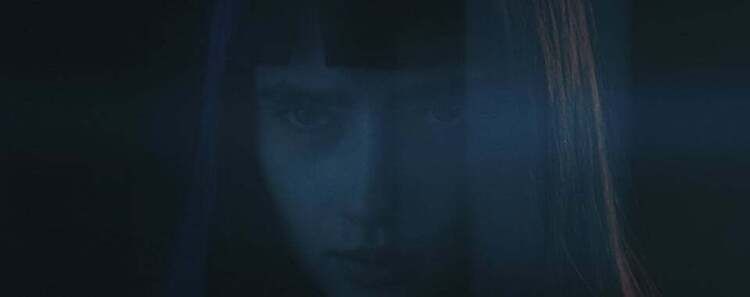
Humanist Vampire Seeking Consenting Suicidal Person
February 1, 2025
8:30 pm
Willard Straight Hall Theatre
Sasha is a young vampire with a very serious problem: she's too sensitive to kill! Frustrated by their daughter's empathy for humans, Sasha's parents decide to cut off her blood supply to force her to learn how to huntÉ or starve! Just as she decides to reject her vampire instincts and embrace a final death, she meets a lonely teenager named Paul who is willing to give his life to save hers, on the condition that she help to fulfill his final wishes before day breaks.
Part of our "Nosferatu Afterlives" series. Courtesy of Drafthouse Films. In French with English subtitles.
Additional Information
Program
Einaudi Center for International Studies
Shadows of Forgotten Ancestors

February 1, 2025
5:30 pm
Willard Straight Hall Theatre
Widely considered the most important film in the history of Ukranian cinema, Sergei Parajanov's Shadows of Our Forgotten Ancestors is a masterwork that boldly combines folkloric pageantry, fairy tale mysticism, and frenetic, hallucinatory cinematography.
Adapted from Mykhailo Kotsiubynsky's novel, Shadows tells the story of Ivan (Ivan Mykolaichuk), a young Hutsul peasant who witnesses his father's murder by the local miser. Years later, Ivan falls in love with the miser's daughter, Marichka (Larisa Kadochnikova), but her shocking death leaves him wallowing in grief until he meets Palahna (Tatyana Bestayeva), a beautiful woman who seems to restore his faith in life and hope for the future. When the ghost of Marichka begins to haunt Ivan, however, Palahna is driven into the arms of the local sorcerer (Spartak Bagashvili), with tragic results.
Shadows is steeped in the earthy atmosphere of the Carpathian mountains; filmed by Parajanov and cinematographer Yuri Ilyenko with an eye for constantly innovative camera movements and vivid color; and suffused by Hutsul culture in the form of composer Myroslav Skoryk's collage-like score, which brings together Ukrainian folk melodies with modernist, experimental orchestration. It is one of cinema's singular productions, capturing the spiritual majesty of the past by creatively forging the medium's future.
The film screens in 4K restoration by The Film Foundation's World Cinema Project and Cineteca di Bologna at L'Immagine Ritrovata laboratory in collaboration with the Oleksandr Dovzhenko National Centre and in association with the Dovzhenko Film Studio. Special thanks to Daniel Bird and _ukasz Ceranka. Funding provided by the Hobson/Lucas Family Foundation.
Part of our "Restorations & Rediscoveries" series. Courtesy of Janus Films. In Ukrainian with English subtitles.
Additional Information
Program
Einaudi Center for International Studies