
Faculty
Sujata Singh

Senior Lecturer, Asian Studies
Geographic Research Area: India
Teaching/Research Interests: All levels of Hindi language
Additional Information
Naaz Fatima Rizvi

Teaching Associate, Asian Studies
Geographic Research Area: India and Pakistan
Teaching/Research Interests: All levels of Urdu and advanced level of Hindi
Additional Information
Lucinda Ramberg

Associate Professor, Anthropology
Geographic Research Area: India
Teaching/Research Interests: Feminist, postcolonial and queer theories, religion and secularism, medicine and the body
Additional Information
Kandukuri Venkat Raman

Adjunct Professor, Plant Breeding and Genetics
Geographic Research Area: India and Bangladesh
Teaching/Research Interests: Research and technology transfers to promote agricultural innovations
Additional Information
Eswar Prasad

Tolani Senior Professor of Trade Policy
Geographic Research Area: India, China, and other emerging markets
Teaching/Research Interests: Macroeconomics of financial globalization, financial regulation, and monetary policy frameworks and exchange rate policies in emerging markets
Additional Information
Prabhu Pingali
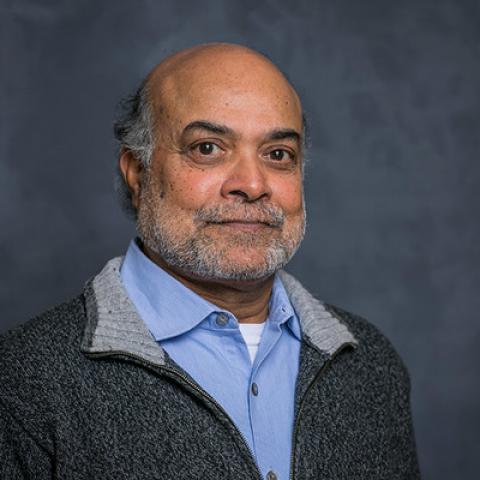
Professor, Applied Economics and Management
Prabhu Pingali is director of Tata-Cornell Institute for Agriculture and Nutrition.
Geographic Research Area: India, Philippines, and Mexico
Teaching/Research Interests: Agricultural policy, nutrition, poverty, development, and the environment
Additional Information
Barry Perlus
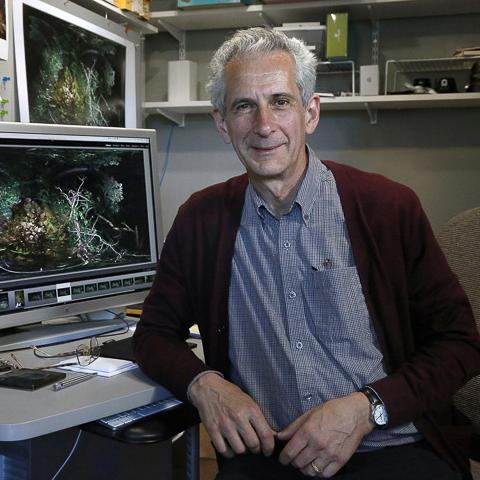
Associate Dean and Associate Professor, Art, Architecture, and Planning
Geographic Research Area: India, Nepal, China, and United States
Teaching/Research Interests: Observation and interpretation, multimedia art, and science and art
Additional Information
Viranjini Munasinghe

Associate Professor, Anthropology and Asian American Studies
Viranjini Munasinghe's research interests focus on nationalism, race and ethnicity, creolization and indigeneity, Asian American Studies, South Asian Diaspora, Labor and Political Economy of Plantation Societies, Historical Anthropology, Anthropological Theory, Comparison, Postcolonial Theory. Her geographic research area is Trinidad and the Asian Diaspora in the Americas.
Geographic Research Area: Trinidad and the Asian Diaspora in the Americas
Additional Information
Satya Mohanty

Professor Emeritus, English
Geographic Research Area: India
Teaching/Research Interests: Critical theory, 20th-century literature, colonial and postcolonial studies, and modernism and postmodernism
Additional Information
Saurabh Mehta
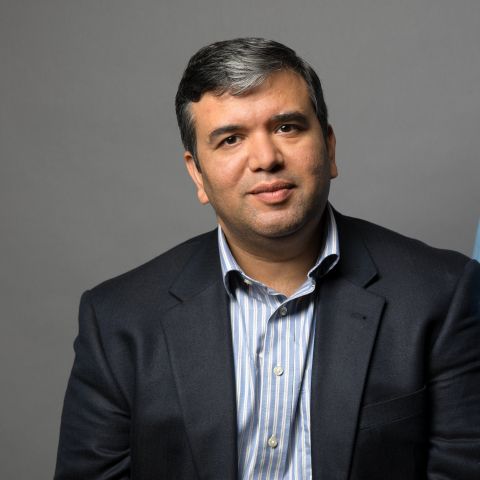
Associate Professor, Global Health, Epidemiology, and Nutrition
Geographic Research Area: India, Kenya, and Ecuador
Teaching/Research Interests: Infectious disease, nutrition, and epidemiology