
Latin American and Caribbean Studies
Welcome back, students!
Learn about Opportunities for You at Einaudi
Video: Join us! Whether you're a grad student or first-year, you'll find your community and a world of opportunities at Einaudi.
Additional Information
“Welcome and Opening to the Latin American and Caribbean Studies (LACS) Program Weekly Seminar Series,” by Ernesto Bassi Arevalo, LACS Weekly Seminar Series
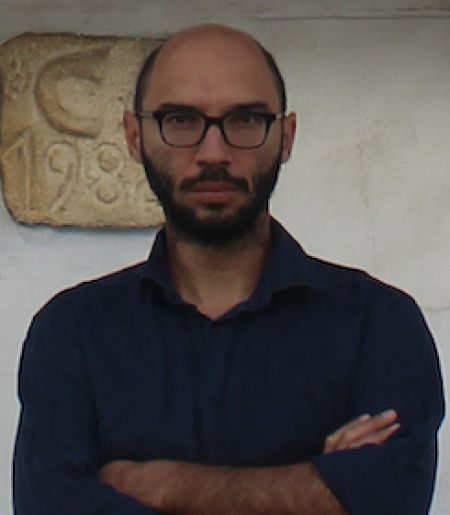
August 30, 2021
1:00 pm
G-01 Stimson Hall
Welcome, introduction to, and opening of the Fall 2021 semester's Latin American and Caribbean Studies Program's weekly seminar series.
Additional Information
Program
Einaudi Center for International Studies
Latin American and Caribbean Studies
“Fighting for Abortion Rights in Latin America,” by Cora Fernandez Anderson, LACS Weekly Seminar Series
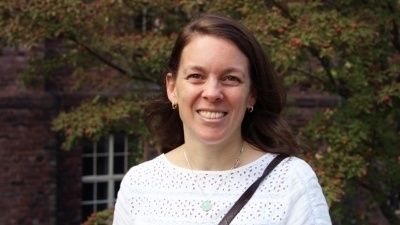
November 8, 2021
1:00 pm
G-01 Stimson Hall
Professor Cora Fernandez Anderson will be discussing her book "Fighting for Abortion Rights in Latin America: Social Movements, State Allies and Institutions," and analyzing the recent legalization of abortion in Argentina which happened after publication.
Additional Information
Program
Einaudi Center for International Studies
Latin American and Caribbean Studies
"Modernity and Revolution in the Beehive: The Displacement of the Honeybee of Yucatán and the Birth of Tropical Apiculture in 20th-century México BD," by Angélica Márquez-Osuna, LACS Weekly Seminar Series
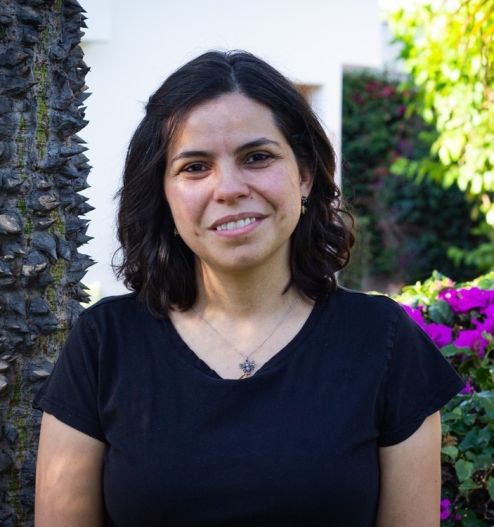
October 25, 2021
1:00 pm
G-01 Stimpson Hall
This chapter illustrates how after the Mexican Revolution in the 1920s, the Yucatan Peninsula became a prolific region for experimentation and development of modern apiculture in the tropics. To illustrate this aspect, I reconstruct the work of the first bee-experts that promoted the systematic relocation of the European honeybee or Apis Mellifera in the 1920s by designing what they called “tropical apiculture,” in the Yucatan Peninsula. By reconstructing the birth of the apiculturist figure in the countryside, this chapter shows how bee experts popularized this practice and installed apiaries, taught in communities the theory and practice of modern apiculture, and made the necessary adjustments to implement “modern hives” in the localities.
In-Person at G01 Stimson Hall-Cornell Community Only
and for the General Public, via Zoom registration link at:
https://cornell.zoom.us/webinar/register/WN_u9OHfhlqRpyiYgAQfFiFOA
Additional Information
Program
Einaudi Center for International Studies
Latin American and Caribbean Studies
Info Session: Africa Undergraduate Research Internships
November 17, 2021
4:45 pm
The Institute for African Development (IAD) Summer Africa Internship program provides sophomores, juniors and rising senior undergraduate students with challenging practical fieldwork in Africa. Application deadline is February 28th. Internships are available in Ghana and Zambia. Those interested in applying must attend two seminars in the IAD Special Topic Seminar Series (CRP 4770) and a pre-departure meeting.
Contact: iad@cornell.edu
Additional Information
Program
Einaudi Center for International Studies
Reppy Institute for Peace and Conflict Studies
East Asia Program
Institute for African Development
Institute for European Studies
Latin American and Caribbean Studies
Info Session: Graduate Latin American and Caribbean Studies Program (LACS) Summer Research Grant & Latin American Studies Graduate Minor
October 27, 2021
4:45 pm
This LACS summer research grant provides funding for in-country research costs for graduate pre-dissertation work in Latin America or the Caribbean. (The grant does not cover international airfare; students should also apply for an Einaudi Center Travel Grant for airfare.) LACS will offer up to three research grants to qualified graduate students who need to conduct field research over the summer of 2021. Grant amounts may vary from $500 to $1,500.
The graduate minor in Latin American (and Caribbean) studies allows you to acquire in-depth knowledge of the region, which will enhance your expertise for future research and professional advancement. The main requirement is to have a Latin American studies field faculty member as a member of your committee.
Contact: lacs@cornell.edu
Additional Information
Program
Einaudi Center for International Studies
Latin American and Caribbean Studies
Info Session: Fulbright U.S. Student Program for Undergraduates
October 20, 2021
4:45 pm
The Fulbright U.S. Student Program supports college graduates conducting research or teaching English in more than 150 countries. Applications are due in the fall; students who wish to begin the program immediately after graduation are encouraged to start the process in their junior year.
Contact: fulbright@einaudi.cornell.edu
Additional Information
Program
Einaudi Center for International Studies
Reppy Institute for Peace and Conflict Studies
East Asia Program
Southeast Asia Program
Latin American and Caribbean Studies
Institute for African Development
Institute for European Studies
South Asia Program
Info Session: Laidlaw Scholars Program
October 13, 2021
4:45 pm
Learn about the Laidlaw Undergraduate Research and Leadership Program. Open to first- and second-year students, this 2-year program provides generous support to carry out internationally-focused research, develop leadership skills, engage with community projects overseas, and join a global network of like-minded scholars from more than a dozen universities. Join us to learn more about the program, its benefits, and the application process, as well as tips for approaching potential faculty research mentors and writing a successful application
Additional Information
Program
Einaudi Center for International Studies
Reppy Institute for Peace and Conflict Studies
East Asia Program
Southeast Asia Program
Latin American and Caribbean Studies
Institute for African Development
Institute for European Studies
South Asia Program
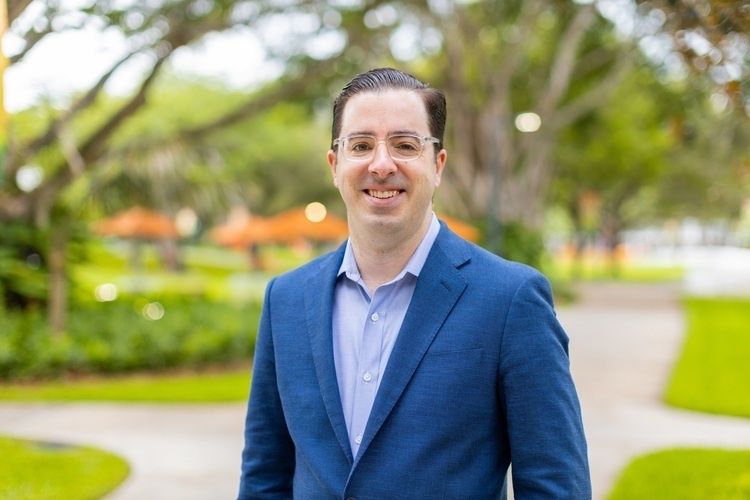
"Cuban Memory Wars: Retrospective Politics in Revolution and Exile," by Michael J. Bustamante, LACS Weekly Seminar Series
September 20, 2021
1:00 pm
G-01 Stimson Hall
For many Cubans, Fidel Castro’s Revolution represented deliverance from a legacy of inequality and national disappointment. For others—especially those exiled in the United States—Cuba’s turn to socialism made the prerevolutionary period look like paradise lost. Michael J. Bustamante unsettles this familiar schism by excavating Cubans’ contested memories of the Revolution’s roots and results over its first twenty years. Cubans’ battles over the past, he argues, not only defied simple political divisions; they also helped shape the course of Cuban history itself. Hybrid event, join us in person in Stimson Hall G01 or through zoom.
Additional Information
Program
Einaudi Center for International Studies
Latin American and Caribbean Studies
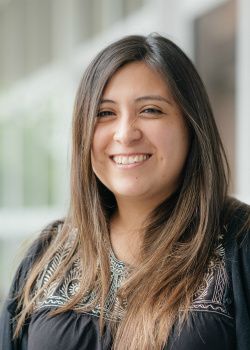
“Freedom's Captives: Slavery and Gradual Emancipation on the Colombian Black Pacific," by Yesenia Barragan, LACS Weekly Seminar Series
September 13, 2021
1:00 pm
G-01 Stimson Hall
In 1821, as insurgent forces battled Spanish royalists in what would become the last throes of the Wars of Independence in the northern Andes, representatives of the newly constituted republic of Gran Colombia (present-day Colombia, Venezuela, Ecuador and Panama) passed a gradual emancipation law to address the problem of slavery. At the center of this law was a Free Womb law that declared legally free the children of enslaved women born after the law's promulgation while bonding these children to their mothers' masters until the age of eighteen. This presentation explores the emergence of Colombia's gradual emancipation law, in addition to the violent financial lives of Free Womb children in the autonomous rainforests and gold mines of the Colombian Black Pacific. Although gradual emancipation was ostensibly designed to destroy slavery, Barragan shows how slaveholders in Colombia came to have even greater stake in it.
Additional Information
Program
Einaudi Center for International Studies
Latin American and Caribbean Studies