
Events
SAP hosts a weekly seminar series. For the Fall 2026 semester, we are hosting in-person events, typically at 12:15 pm Mondays in G08 Uris Hall. All events are open to the public. All times Eastern (New York) Time.
Videos of many past events are available on our YouTube playlist.
Our annual Tagore Lecture in Modern Indian Literature features an author from South Asia or its diasporas. We also partner with Cornell student organizations to bring South Asian musicians, dancers, and other artists for campus performances.
Upcoming Events
10:00 am
Arts Quad
Cornell World Languages Day is a free annual event highlighting the importance of language learning, cultural awareness, and global literacy. WLD invites middle and high school students from the greater community to campus, showcasing the opportunities for language learning and international studies at Cornell.
…
12:15 pm
Uris Hall, G08
Talk by Nikhit Agrawal
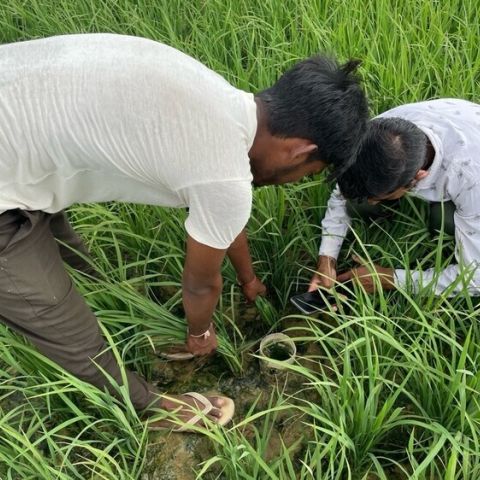
Since 2015, when the Paris Agreement was adopted, agriculture has gained prominence in global climate negotiations, both as a source of greenhouse gas emissions and as a potential contributor to reducing them through carbon storage and sequestration. In the past decade, hundreds of…
4:30 pm
Physical Sciences Building, Baker Portico & Atrium
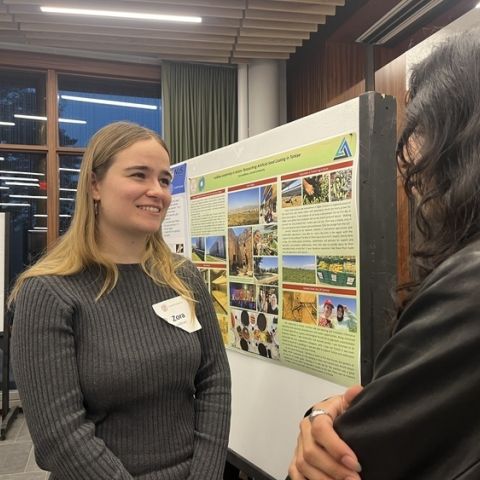
Meet Cornell's Laidlaw scholars and Global Interns at our fall showcase. They'll present their undergraduate international summer experiences, including hands-on research and leadership-in-action.
The International Research Showcase is hosted by the Einaudi Center for International Studies and…

7:30 pm
Willard Straight Hall, Memorial Room
Join us for an evening of Carnatic music featuring renowned guest artist and Indian Classical violinist Sumanth Manjunath, here for his first-ever American tour, in collaboration with violinist Ariana Kim. Co-sponsored by the South Asia Program.
12:00 pm
Virtual
Go global in summer 2027! Global Internships give you valuable international work experience in fields spanning global development, climate and sustainability, international relations, communication, business, governance, and more.
Applications are open now.
Can’t attend? Contact…
12:15 pm
Uris Hall, G08
Talk by Anaar Desai-Stephens (Music, CUNY)
In this talk, I explore how Bollywood songs have become a powerful medium for dreaming, striving, and self-making in twenty-first-century India. Once dismissed as escapist fantasy, Bollywood’s emotionally charged songs now serve as tools for self-transformation in…
4:30 pm
Uris Hall, G08
Take your learning to the next level with minors from the Einaudi Center for International Studies and our programs. In this session, you'll learn about three international minors that can help you expand your global knowledge. View a full list of minors.
European Studies
Explore Europe’s past,…
12:00 pm
Uris Library, 311
Please join us for the Media Studies Colloquium in Uris Library 311. Lunch provided. Graduate students welcome.
Pre-circulated reading will be available at https://cornell.box.com/v/MSColloquiumReadings.
The film cut and visual bond as anti…
12:15 pm
Uris Hall, G08
Talk by Meghna Chaudhuri (History, Davidson College)
In this talk, I will present research that clues us into reframing the agrarian in colonial, and early post-colonial South Asia - as not merely a space where material production of grain and food occurs but as a key site of experiments with finance capital…
5:00 pm
Virtual
Develop your dissertation on global issues with a toolkit of resources! The Einaudi Dissertation Proposal Development Program (DPD) supports 18 PhD students annually through seminars, workshops, mentoring sessions, and up to $2,000 for international airfare for summer research. Applicants’ research projects must…
4:00 pm
Stimson Hall, G25
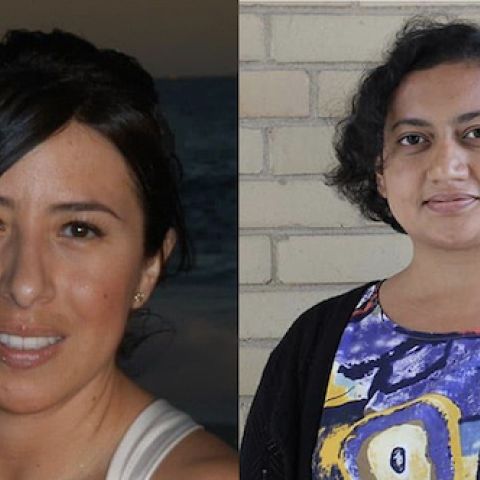
"Designing Language Courses for Healthcare: Development, Implementation, and Lessons Learned (Spanish and Bangla)"
Brisa Teutli and Razima Selim Chowdhury
Teaching Professors, Cornell University
This joint presentation explores the development and implementation of two Languages for…
4:30 pm
Uris Hall, G08
Go global in summer 2027! Global Internships give you valuable international work experience in fields spanning global development, climate and sustainability, international relations, communication, business, governance, and more.
Applications are open now.
Can’t attend? Contact…
12:15 pm
Uris Hall, G08
Talk by Courtney Murdock (Entomology, Cornell University)
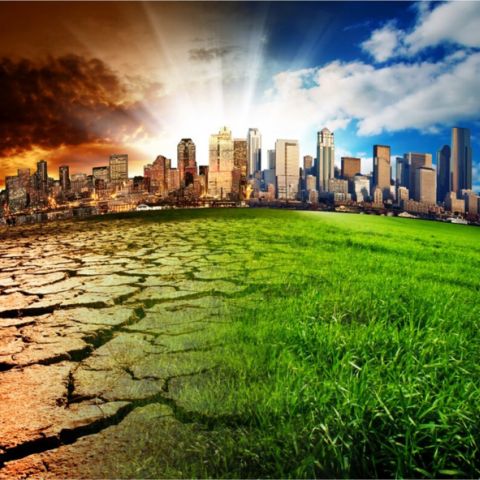
Mosquito-borne diseases remain one of the world’s most pressing public health challenges yet predicting where and when outbreaks will occur is becoming increasingly difficult as our climate and cities change. In India, rapid urban growth, rising…
4:45 pm
Virtual
The Fulbright U.S. Student Program supports U.S. citizens to study, conduct research in any field, or teach English in more than 150 countries. The program is open to graduate students, recent graduates, and young professionals. Undergraduate students who wish to begin the program immediately after graduation are…
4:30 pm
Uris Hall, G08
Go global in summer 2027! Global Internships give you valuable international work experience in fields spanning global development, climate and sustainability, international relations, communication, business, governance, and more.
Applications are open now.
Can’t attend? Contact…
4:45 pm
Virtual
The Fulbright U.S. Student Program supports U.S. citizens to study, conduct research in any field, or teach English in more than 150 countries. The program is open to graduate students, recent graduates, and young professionals. Undergraduate students who wish to begin the program immediately after graduation are…
7:30 pm
Bailey Hall
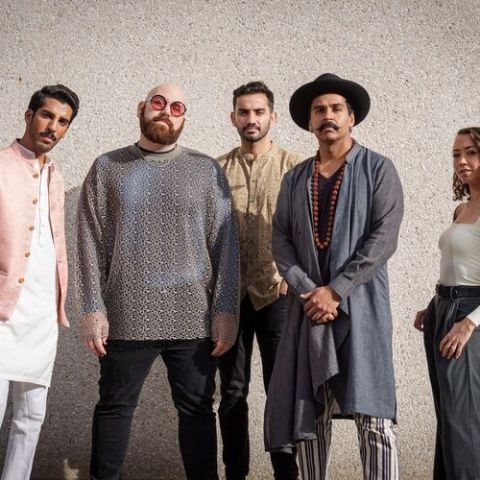
The Dallas Morse Coors Concert Series is proud to present Sunny Jain’s Wild Wild East, a vibrant and genre-defying ensemble led by acclaimed composer, drummer, dhol player, and cultural innovator Sunny Jain. Drawing on his deep connection to his South Asian heritage alongside his passion for jazz and progressive…
12:00 am
Virtual
October 26, 1:00-5:00, Hirsch Lecture Room, Johnson Museum
October 27, 9:00-4:00, Nevin Welcome Center, Botanic Gardens
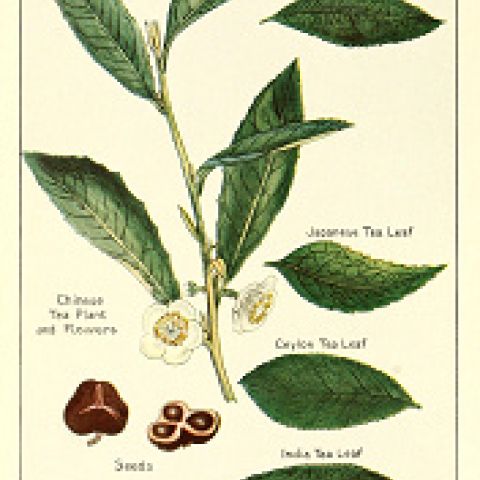
This conference explores the cultural, religious, botanical, economic, and environmental dimensions of the global spread of Camillia Sinensus, commonly known worldwide as either tea…