East Asia Program

Visiting Scholars

Visiting scholars spend a limited residency at Cornell to pursue their research and to work with EAP faculty and students. Most visiting scholars come from countries in East Asia and spend 9 to 12 months at Cornell. 


Visiting Scholar Program and Application Process 

EAP Visiting Scholar Requirements

In order to be considered for a non-salaried visiting scholar position at EAP, you must:

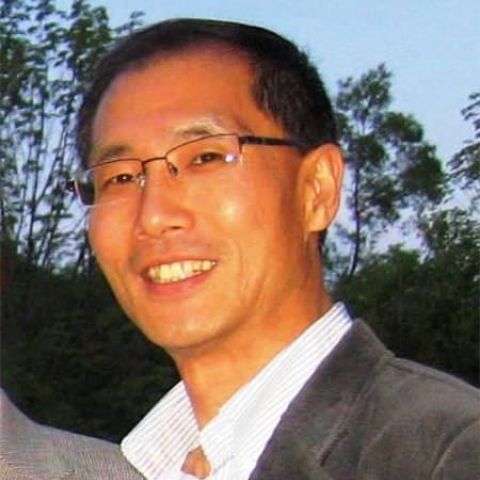
Nick Admussen

Nick Admussen

Director, East Asia Program

Nick Admussen is an associate professor of Chinese literature in the Department of Asian Studies. He is the director of the East Asia Program and former director of the Cornell Contemporary China Initiative.

Additional Information

Program

Role

  • Faculty
  • EAP Core Faculty
    • EAP Director
      • Einaudi Faculty Leadership

Contact

Phone: 607-255-7788

The Running Boy and Other Stories by Megumu Sagisawa

Book cover image for CEAS 201 The Running Boy

Author: Megumu Sagisawa

With this newly translated version of The Running Boy, the fiction of Megumu Sagisawa makes its long-overdue first appearance in English. Lovingly rendered with a critical introduction by the translator, this collection of three stories, written in 1989, sits on the thinnest part of Japan's economic bubble and provides a cautionary glimpse into the malaise of its impending collapse.

Book

19.95

Additional Information

Program

Type

  • Book

  • Cornell East Asia Series

Publication Details

Publication Year: 2020

Publication Number: 201

ISBN: 978-15017-5194-3

East Asian Language Study Grant

The deadline for this opportunity has passed.
Application Deadline: January 27, 2026
Application Timeframe: Fall
A photo of Shibuya, Japan

Details

The language study grant is open to Cornell graduate and undergraduate students. The EAP East Asian Language Study Grant can be used either at Cornell or another institution. The grant provides program fees and a stipend for intensive language study of an East Asian language. The grant is similar to a Summer FLAS award, but can also be used during the academic year.

Eligibility

There are no citizenship restrictions for the EAP Area Studies Fellowships or the Language Study Grant.

Application Guidelines

It is the applicant's responsibility to ensure the timely submission of the following materials by the application deadline. Incomplete files and materials received after the deadline may not be considered.

  1. Online application: All required information on the application and a project proposal (.doc or .pdf file upload) that includes project budget (estimated costs of program and living expenses), program information and justification where applicable, statement of purpose, proposed courses of studies where applicable.
  2. Two letters of recommendation (including one from a current language instructor): Please note, you are responsible for contacting your recommenders to request a letter of recommendation, and for the letters being received by the application deadline.

The project title should start with the applicant's surname (e.g., "Lee") and be descriptive of the course of study/research proposed (e.g., "fall semester document research at Tsinghua University").

  • The project abstract should start with "East Asian Language Study Grant." The abstract should give a short but concise summary of what the applicant proposes to do if awarded a language study grant. The first paragraph should summarize what, when, where, how, and why. If the project is to take courses at Cornell or elsewhere, the project abstract should say so and give an idea of what types of courses. In the case of a research project away from Cornell, the project abstract should state where and when this research will take place. Applicants are expected to outline the expected costs of their project within their application proposal.
  • If you plan to use the grant somewhere other than Cornell, please include a budget for your project in the project abstract.
  • The full project proposal should not exceed five pages or 1,500 words. and should include a title with the name of the applicant and the title of the project. The opening paragraph of the proposal should include a summary description of the proposed activities and their significance to the applicant's graduate career.
  • Online applications can be saved and edited anytime up to the deadline. Do not forget to submit your final application. Students will no longer be able to edit their application after the deadline. Applicants will see all of their applications on their dashboard, which will also indicate when recommendations have been completed.

FAQs

Additional Information

Funding Type

  • Language Study Grant

Role

  • Student

Program

People

The EAP community reaches across the university, with more than 50 affiliated faculty, more than 100 affiliated graduate and undergraduate students, and visiting scholars, postdocs, and staff colleagues from other institutes at Cornell and around the world. 


EAP is staffed by three staff positions as well as several student workers. 

Events

Most East Asia Program events are part of the interdisciplinary initiatives that the program has developed over many years through the work of our faculty and students. Be sure to look at past events and activities of these initiatives.  

Publications

East Asia Program (EAP) publications consist of occasional publications related to the program, including books and articles by EAP faculty, and the titles published by the Cornell East Asia Series (CEAS), a scholarly press with over 200 titles on its list. In 2019 CEAS became an imprint of Cornell University Press. 

Funding

The East Asia Program (EAP) offers several categories of fellowships and grants to support student research and study related to East Asia.

About

History and Community

Since its inception in 1950, Cornell's East Asia Program (EAP) has been a focal point for research, teaching, and outreach on East Asia. It serves as a campuswide network of specialists devoted to the study of contemporary and historical East Asia, including the region's relationship to the U.S. Today, EAP draws its membership of 45 core faculty and 57 affiliated and associated faculty, many of whom are prominent leaders in their scholarly fields, from eight of Cornell's 12 schools and colleges.

Fulbright U.S. Student Program

Application Deadline: August 17, 2026
Application Timeframe: Spring
Dylan Rodgers pushes a wheelbarrow alongside two workers in Nepal.

Details

The Fulbright U.S. Student Program sends U.S. citizens to more than 160 countries to study, research, and teach English abroad. 

With a unique focus on mutual understanding between people of different backgrounds and cultures, the program offers the freedom to curate your experience as you engage with your host community.  

The Einaudi Center provides counseling, essay feedback, and application support to help your Fulbright application succeed, even if you are preparing your application at a distance as a study abroad student or recent graduate. Our Fulbright advisor offers guidance throughout the year and hosts info sessions about Fulbright opportunities each semester.  

Audrey Su and a fellow researcher in the lab.
Audrey Su '24 spent a year in Norway studying the effect of toxicants in large marine mammals and educating the public about the topic. Read about Su's exhibit at the University Museum of Bergen.

Fulbright Top Producer U.S. Student Program 2025-2026

Fulbright Facts

Cornell University is a Fulbright Top Producing Institution. One in four Cornell applicants wins an award. The national average is only one in six. This is how Cornell has sent over 600 students across the globe as part of the Fulbright U.S. Student Program since the 1940s.

Fulbrighters from Cornell have traveled to more than one hundred countries, studying topics ranging from court efficiency in Zambia to gender-based inequalities in India. Many have taught English abroad and attended international graduate programs in other languages.


Alexis Anderson scuba dives off the coast of Honduras to get a closer look at coral.
Alexis Anderson '23 researches Stony Coral Tissue Loss Disease in Honduras—an aggressive coral disease that is rapidly spreading in the Caribbean and decimating reefs.

Application Opens

March 31, 2026

Deadline

August 17, 2026 at 8 a.m. (ET)

Eligibility

United States citizens in any field of study are eligible. In addition, you must fulfill one of the following criteria:

  • You will graduate with a bachelor’s degree from Cornell before September of the award year.
  • You are currently a Cornell graduate student.
  • You are a young professional who graduated from Cornell within the past five years.

Do I have to be in the humanities or social sciences?

The program funds applicants and projects from all disciplines. Individual country programs may give priority to particular disciplines.

Is language fluency required?

Language requirements depend on the host country, but you must have sufficient proficiency to carry out your proposed study. Refer to the Fulbright country profiles for more details.

What if I want to conduct research in Indonesia?

If you're a current Cornell faculty or student planning research in Indonesia—including Fulbright and Fulbright-Hays—you'll need to apply for a foreign research permit. Learn more about the required steps.

Can undergraduates apply?

Fulbright scholars must have a bachelor’s degree before September of the year in which the grant begins. If you want to participate in a Fulbright program immediately following graduation, plan to prepare your application in your junior year to submit at the beginning of your senior year.


Day in the Life: U.S. Student Program

Amanda Cronin '21 shares a day in her life as an English teaching assistant in Argentina.

How to Apply 

Cornell applicants must apply through the Cornell Fulbright Program, managed by the Einaudi Center. Reach out to our Fulbright advisor to get started. We provide counseling, essay reviews, and application support to all applicants, including study abroad students and alumni, for every type of application

When should I start applying?

Start preparing early in your undergraduate career. The best applications are thoughtfully planned, so decide which world regions or countries interest you as soon as you can.

  • Learn a language.
  • Take courses relevant to a country or region that interests you.
  • Get to know and work with professors who can write your reference letters.

If you intend to begin the program right after graduation, start the application process in the fall of your junior year.  

What is required of an application?

It depends on your goals.

The application is different for academic study/research, creative or performing arts study/research, or teaching English. Visit the Fulbright website to find out about your application components.

Does Einaudi review my application?

Yes, we work with you throughout the application process before completed applications are sent to the national review committee.

How are awards decided?

Since the Fulbright U.S. Student Program is funded by the U.S. Department of State, all application decisions are made at the national level. Recommendations are then sent to host countries, which must approve the applications before awards are announced in the spring.

Meet Cornell's Fulbrighters

Seventeen Cornellians accepted awards in 2026–27, including Cornell's first Fulbright Fogarty Fellowship in Public Health. They will conduct research, study, and teach English around the globe.

Read More

Additional Information

Subscribe to East Asia Program